Photo record
Images of the failed flashing and the finished repair
Roof Valley Leak Repair Alhambra CA starts with finding the real entry point, not guessing at the stain on your ceiling. Valleys collect water from two roof planes, so a small gap in the flashing or underlayment can send water into your attic for months. We inspect, seal and test the repair the same visit, and we serve homeowners across Los Angeles County with same-day and emergency calls.
Every valley repair starts with a full inspection and ends with a water test. Here is what is covered in a standard visit, and what we handle separately if the inspection turns up something else.

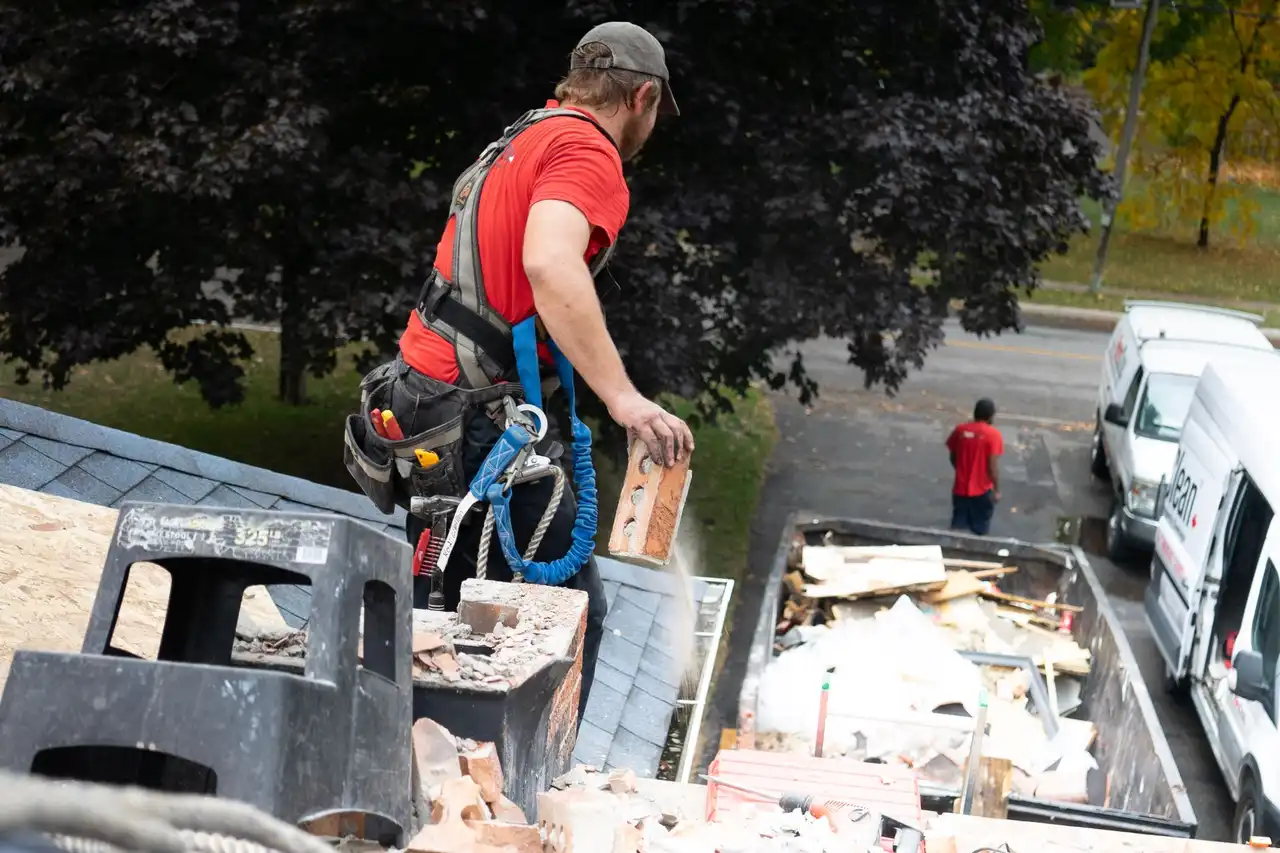
We repair valleys on single-family homes, duplexes and small multi-unit buildings across Alhambra. Most visits start in the attic to trace the water, then move to the roof.
We work on commercial buildings with pitched sections, flat-to-pitch transitions and tenant spaces that cannot afford a leak. Scheduling is coordinated around your operating hours.
A roof valley is the channel where two roof planes meet, and it moves more water than any other part of your roof. Roof Valley Leak Repair Alhambra CA means opening that channel, checking the metal flashing, the underlayment beneath it and the shingle courses that feed into it, then rebuilding the layers so water sheds the way it should. We pull damaged shingles, reset or replace valley metal, lay new underlayment and seal every lap with roof cement rated for the material on your roof.
Most valley leaks we see in Alhambra start small: a lifted shingle edge, a nail head that backed out, or flashing that pulled away after a hot summer. By the time you see a ceiling stain, water has usually been traveling the valley for weeks. If you have been searching roof valley leak fixing near me Alhambra at night while a bucket fills, call (626) 640-8498. We handle emergency Roof Valley Leak Repair Alhambra CA calls and tarp the valley the same day when rain is still coming.
A valley moves more water than any other part of your roof, so it gets rebuilt in layers, not patched.
Five steps, from the first call to the final hose test. You will know what we found, what we fixed and what it cost before we pack up the ladder.
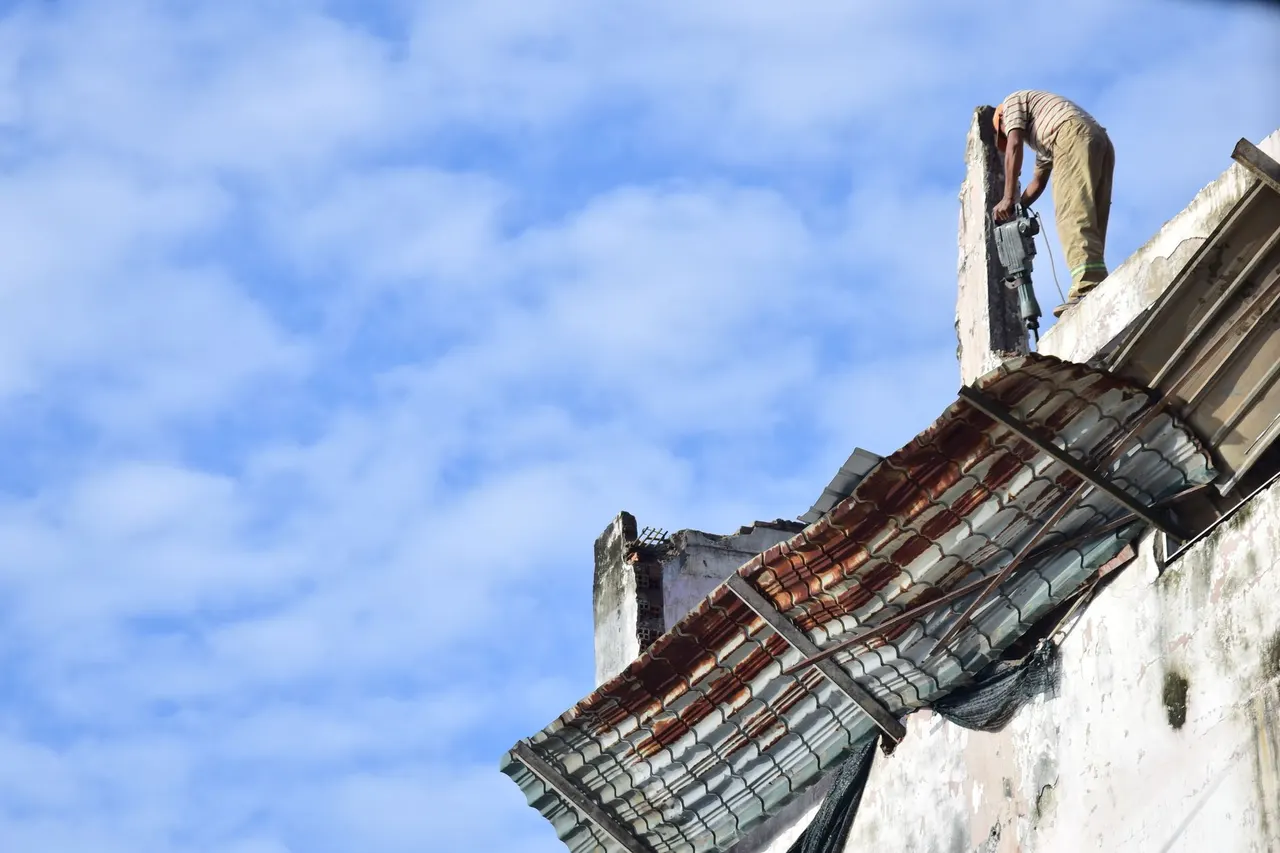
You call (626) 640-8498 or book online and describe what you are seeing: a ceiling stain, a drip in the attic, or water running down a wall. We ask when it started and whether it only happens during rain. Same-day and next-day slots are usually open, and we text you the arrival window.
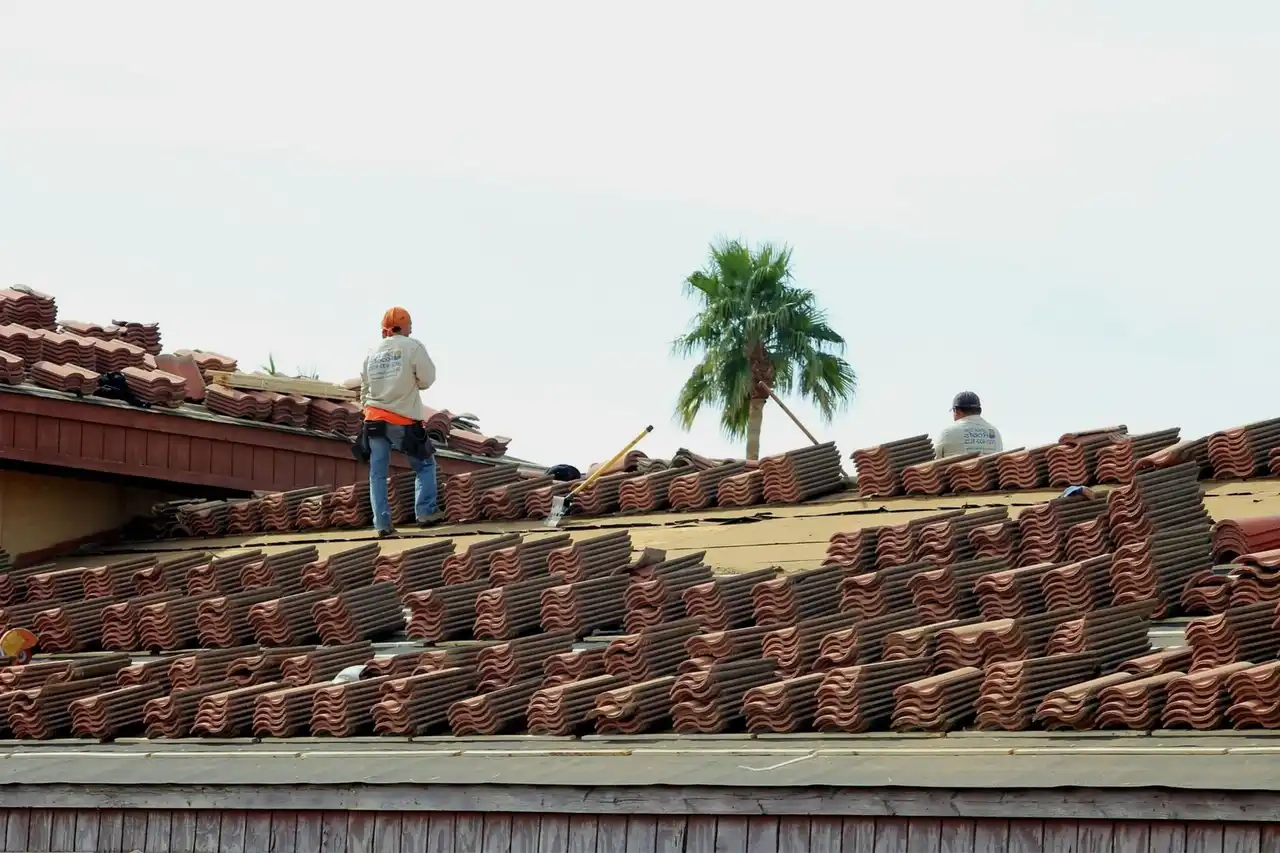
We walk the roof with a roof ladder and check the valley from the ridge down to the eave. Inside, we use an infrared thermal imaging camera and a moisture meter to find where water is actually sitting. That takes 30 to 45 minutes on a typical Alhambra home.
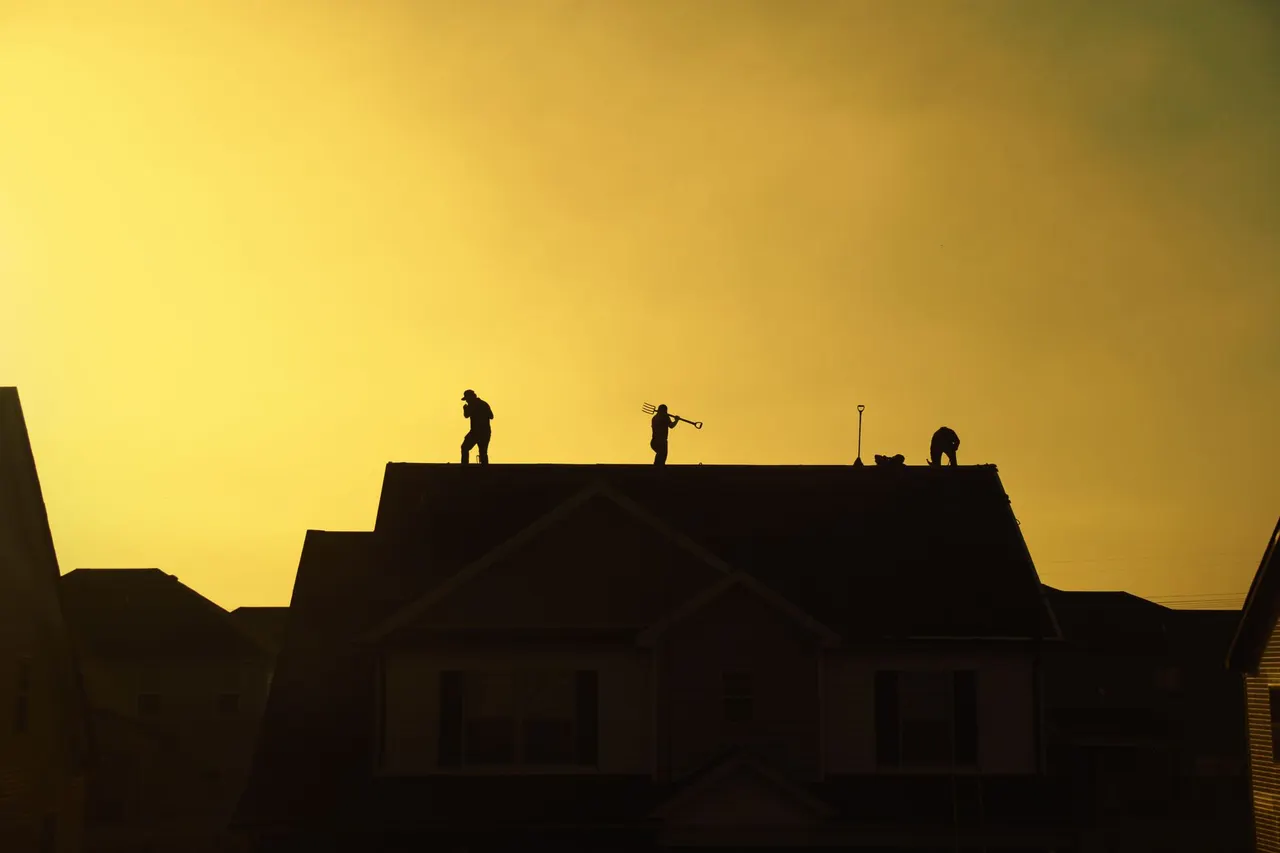
We show you photos of the failed flashing, the lifted shingles or the cracked sealant and explain what caused it. You get a flat price for the repair before we start. No surprise line items, no pressure to replace a roof that only needs a valley rebuilt.
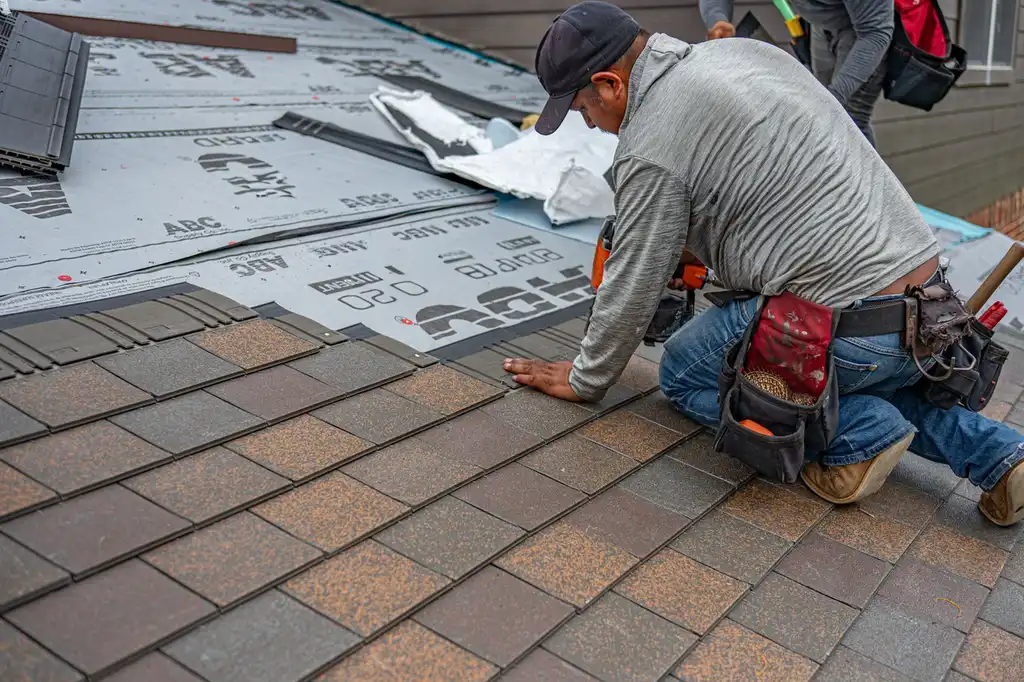
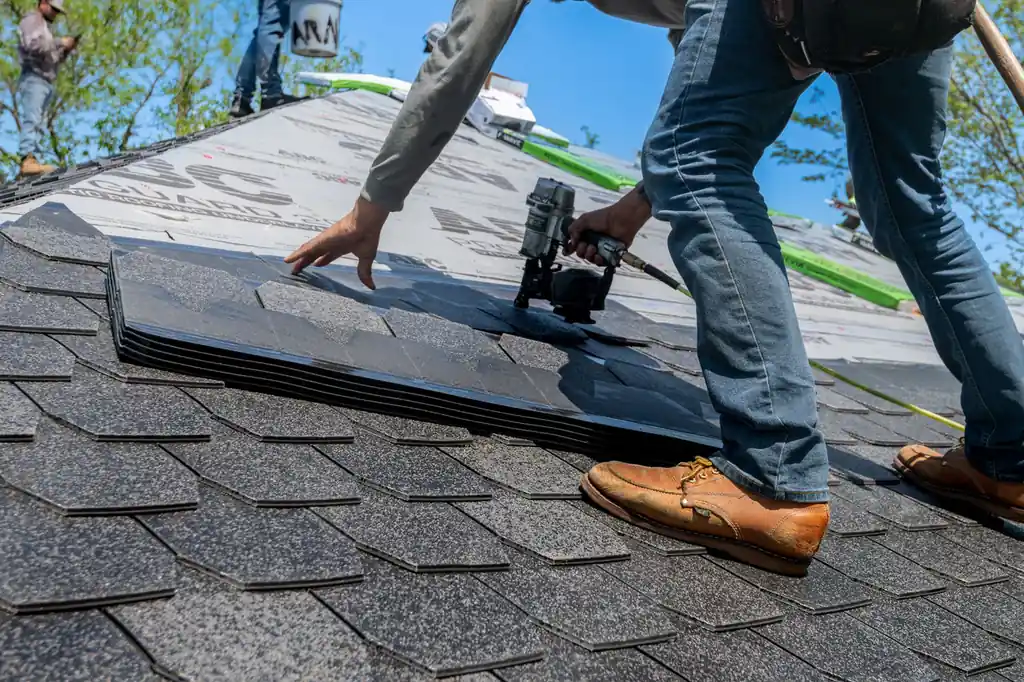
We remove the damaged shingles along the valley, pull the old flashing with a pry bar, and check the decking for soft spots. Then we install new underlayment, reset or replace the valley metal, and re-lay the shingle courses so each one overlaps correctly. Most repairs run two to four hours.
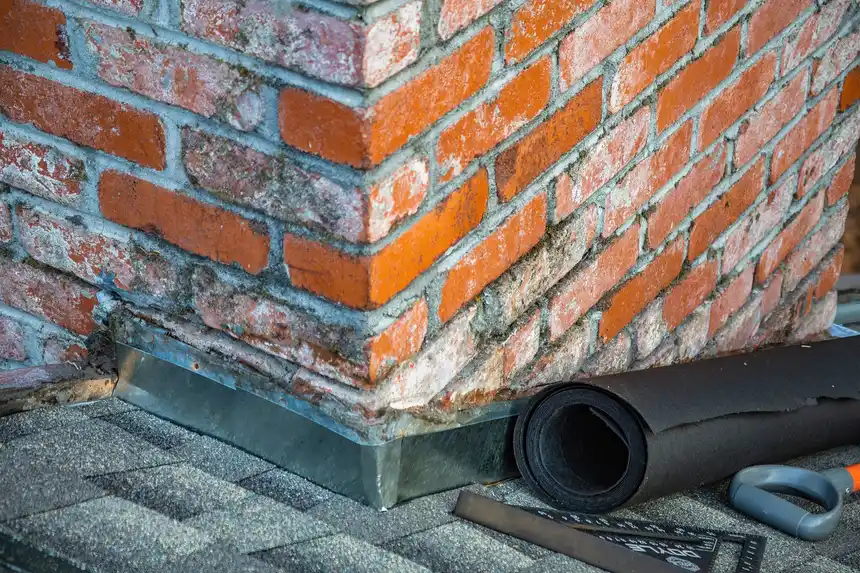
Before we leave, we run water down the valley with a hose and watch it from the attic side. If anything seeps, we fix it right then. We sweep the gutters, magnet the yard for nails and leave you photos of the finished repair.

Shows where water is trapped under the roof surface, so we can confirm the valley is the source before we open any shingles.
Reads the actual moisture level in decking, rafters and insulation, which tells us how far the water has traveled and what needs to dry out.
Lets us access the valley safely without putting weight on shingles or tiles that could crack underfoot.
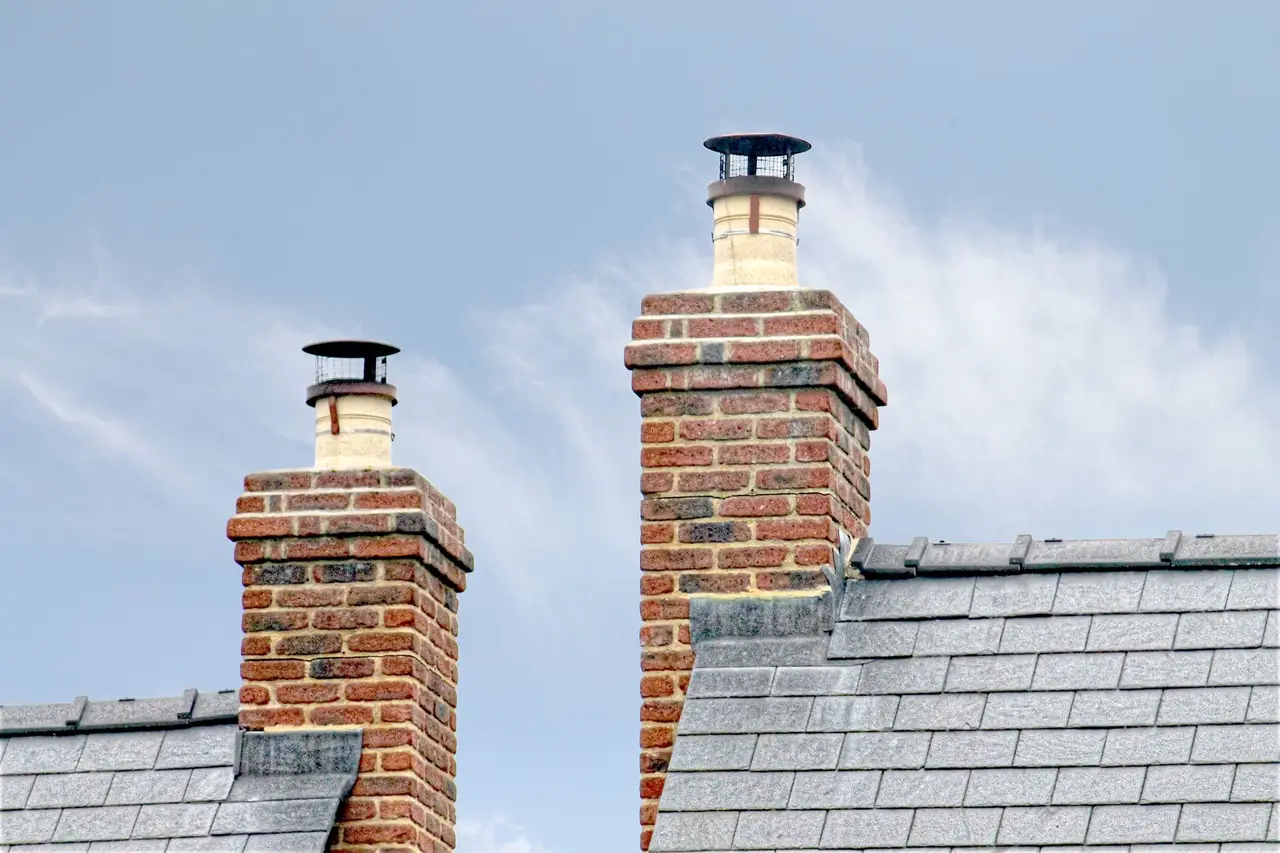
Used to lift shingle courses and cut out failed underlayment cleanly, so the new material sits flat and seals properly.
Applies Henry and DAP sealants and roof cement at the correct thickness along the valley laps and edges.
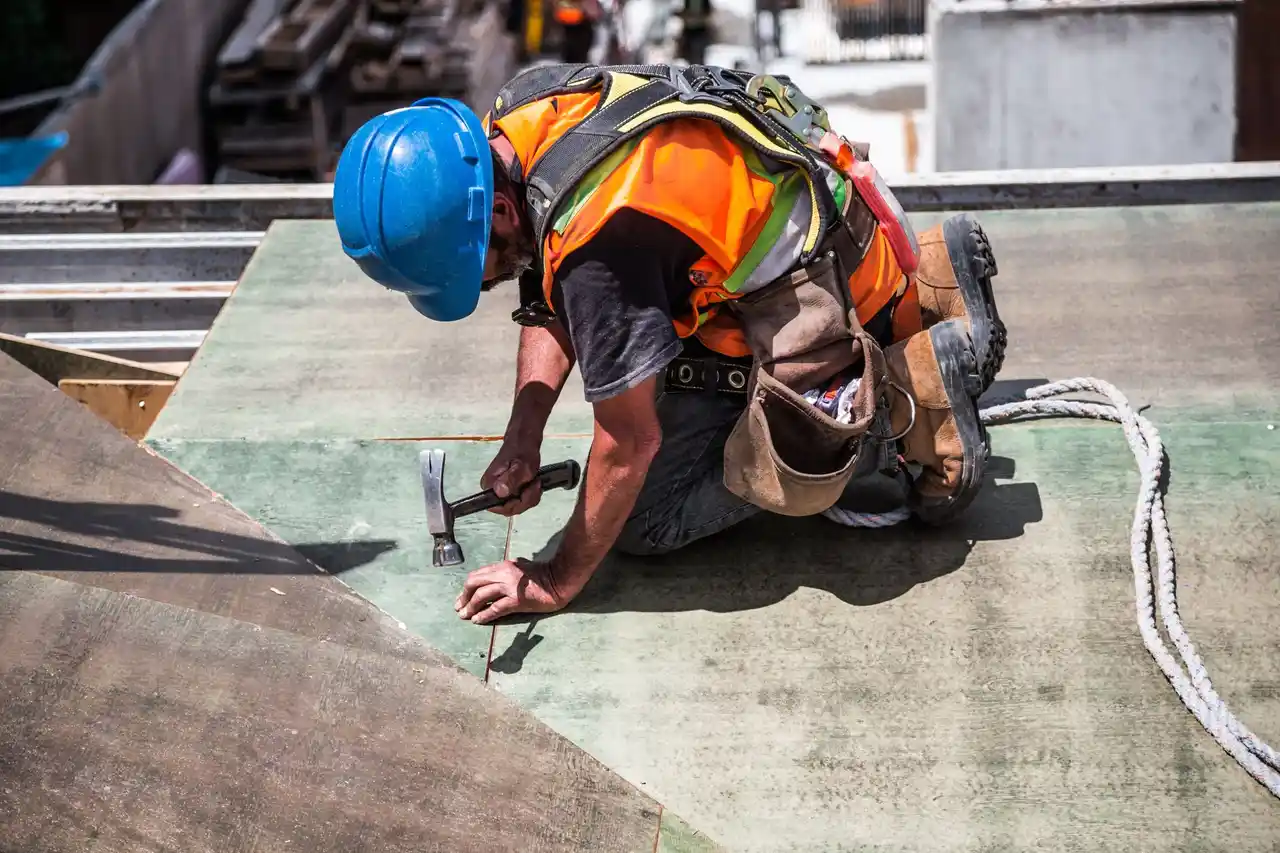
Refastens valley metal and re-nails shingle courses at the right height and spacing for the material.
The hose is for the final water test; the tarp is for stopping an active leak until the permanent repair is done.
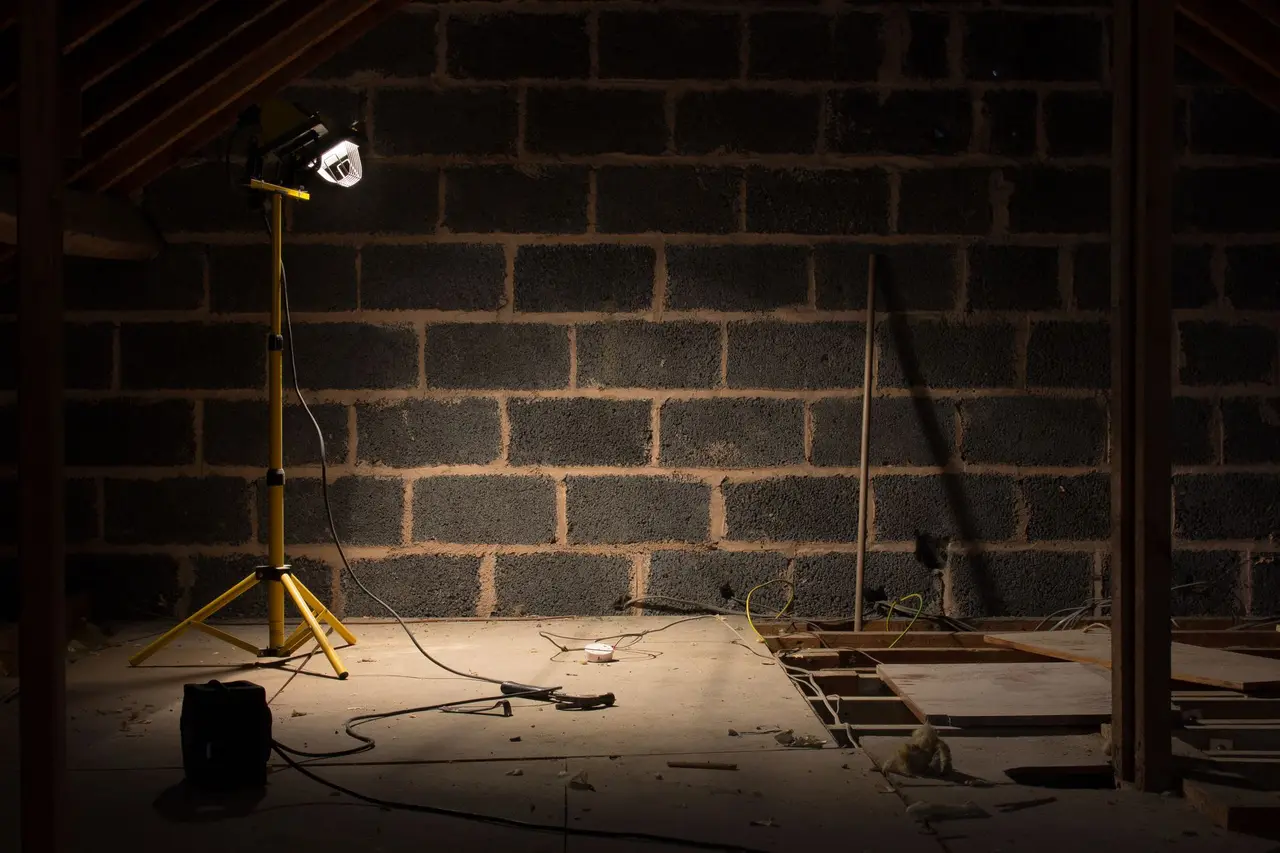
We start inside the attic and work outward, using the moisture meter and thermal camera to find the water path. That way we repair the actual entry point instead of the spot where the water happens to drip.
We inspect the attic first to trace the water path, then check the valley and nearby flashing on the roof. Once we confirm the entry point, we repair the valley and water-test it the same visit. The stain stops growing, and you get photos of the repair plus a note on whether the drywall above needs replacing.
We tarp the valley to stop the water from reaching your ceiling, then return to complete the permanent repair once conditions allow. Emergency calls get priority scheduling. The dripping stops the same day, and the permanent repair is usually finished within a day or two of the storm passing.
We inspect the valley, document what we find with photos and moisture readings, and repair anything that has actually failed. You get a written summary you can pass to the buyer. The inspection objection is resolved, and the sale moves forward without a last-minute price negotiation over the roof.
We inspect the valley, clear any debris, check the sealant and flashing, and reseal anything that is starting to fail. Catching it before the rain is cheaper than an emergency call. You head into winter with a valley that drains properly, and you know exactly what condition the flashing and underlayment are in.
Alhambra roofs take a specific kind of beating. Summer afternoons push attic temperatures past 140 degrees, which dries out sealant and makes shingles brittle. Then winter rain arrives, and water finds every gap that opened up. The housing stock here makes it more complicated: many homes were built in the 1920s through the 1950s with skip sheathing and older valley details, and a lot of them have had additions or re-roofs that changed how the valleys drain. We see valley leaks most often on the south and west-facing slopes, where the sun does the most damage. If you need roof valley leak fixing near me open now Alhambra during a storm, call (626) 640-8498 and we will get a tarp on it. We also work with the older tile and slate roofs common in the hills, where the underlayment under the tiles is usually the real failure point.
A homeowner near Emery Park had a ceiling stain that grew every winter for three years. Two previous roofers had patched the shingles above the stain without checking the valley. The valley metal had pulled away from the deck along about 8 feet, and the underlayment beneath it was soaked.
We lifted the shingle courses, refastened the valley metal, replaced the failed underlayment and re-laid the shingles with new sealant. The hose test ran clean. The repair took about four hours, and the ceiling stain has not grown through two rainy seasons since.
Check the valley each fall for leaves and granules, and have the sealant inspected every three to four years. Keeping the channel clear is the single biggest thing you can do to prevent a repeat.
During a February storm, water started dripping into the attic of a two-story home near Midwick Tract. The valley had a cracked sealant line that had been failing slowly for months, and the storm pushed water through it fast. The homeowner called at 9 p.m. with water heading toward a bedroom ceiling.
We tarped the valley that night and stopped the water. Two days later, we removed the failed sealant, cleaned the valley edges, replaced a section of underlayment and resealed the laps. Total repair cost came in under the original quote, and the attic stayed dry through the rest of the season.
Have the valley sealant checked before each rainy season. A five-minute inspection in October is a lot cheaper than an emergency call in February.
A hillside home with clay tiles had a valley leak that showed up as a stain on a vaulted ceiling. The tiles looked fine from the ground, but the underlayment beneath them had dried out and cracked. Water was running under the tiles and into the valley without ever touching the surface.
We lifted the tiles along the valley, replaced about 12 feet of failed underlayment, reset the valley flashing and put the tiles back with new fasteners. The repair took most of a day. The moisture meter reading in the attic dropped to normal within a week.
Tile roofs hide their problems, so schedule an attic moisture check once a year. If the reading is elevated after rain, the underlayment is the first thing to inspect.
Most valley leaks fall into a handful of patterns. Here are the ones we see most often in Alhambra, what happens if you leave them, and how we fix them.
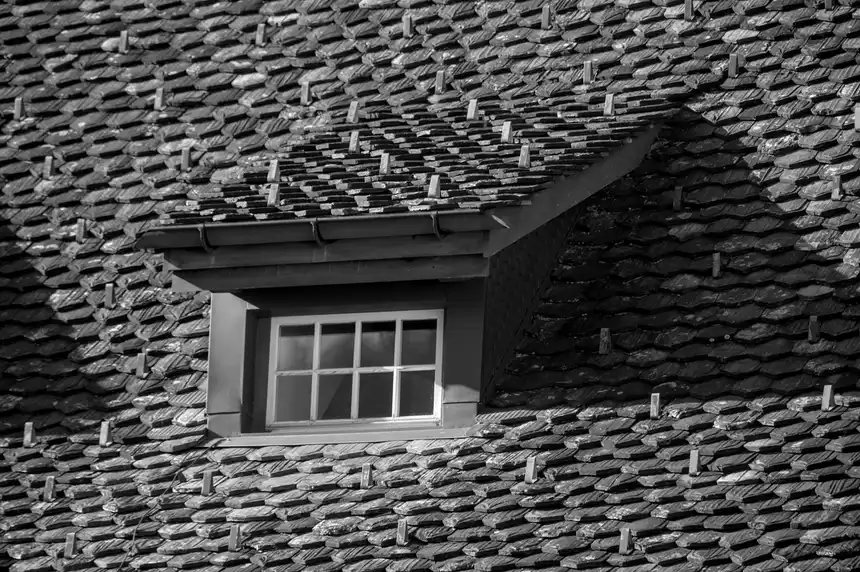
We lift the shingle courses along the valley, clean the deck, refasten or replace the valley metal, and reseal every lap. The repair is water-tested before we close it up, so you know it holds. Water runs straight under the shingles and into the attic, and the leak gets worse with every storm until the decking starts to rot.
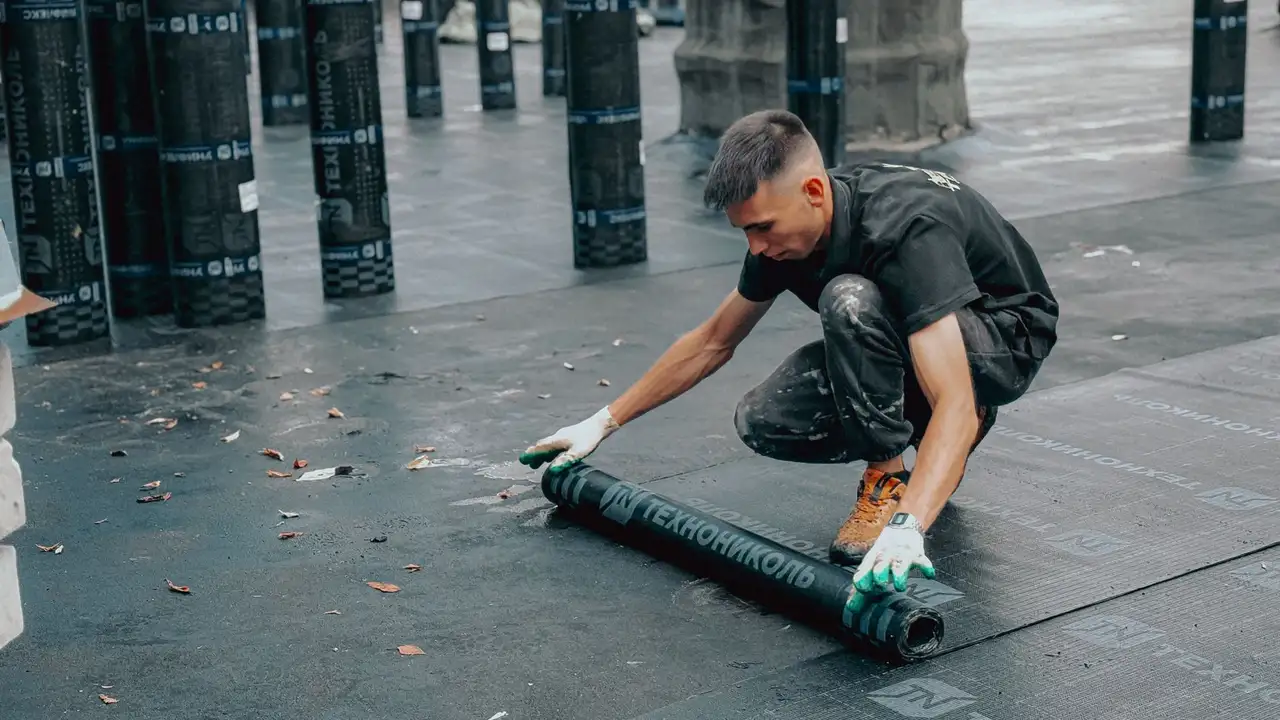
We remove the old sealant, clean the surface down to bare material, and apply new roof cement or sealant rated for your roof type. This is one of the fastest valley repairs we do, usually under two hours. Small gaps let water seep in during light rain, which is why the leak seems to appear even when the storm was not heavy. Over time the underlayment underneath fails too.
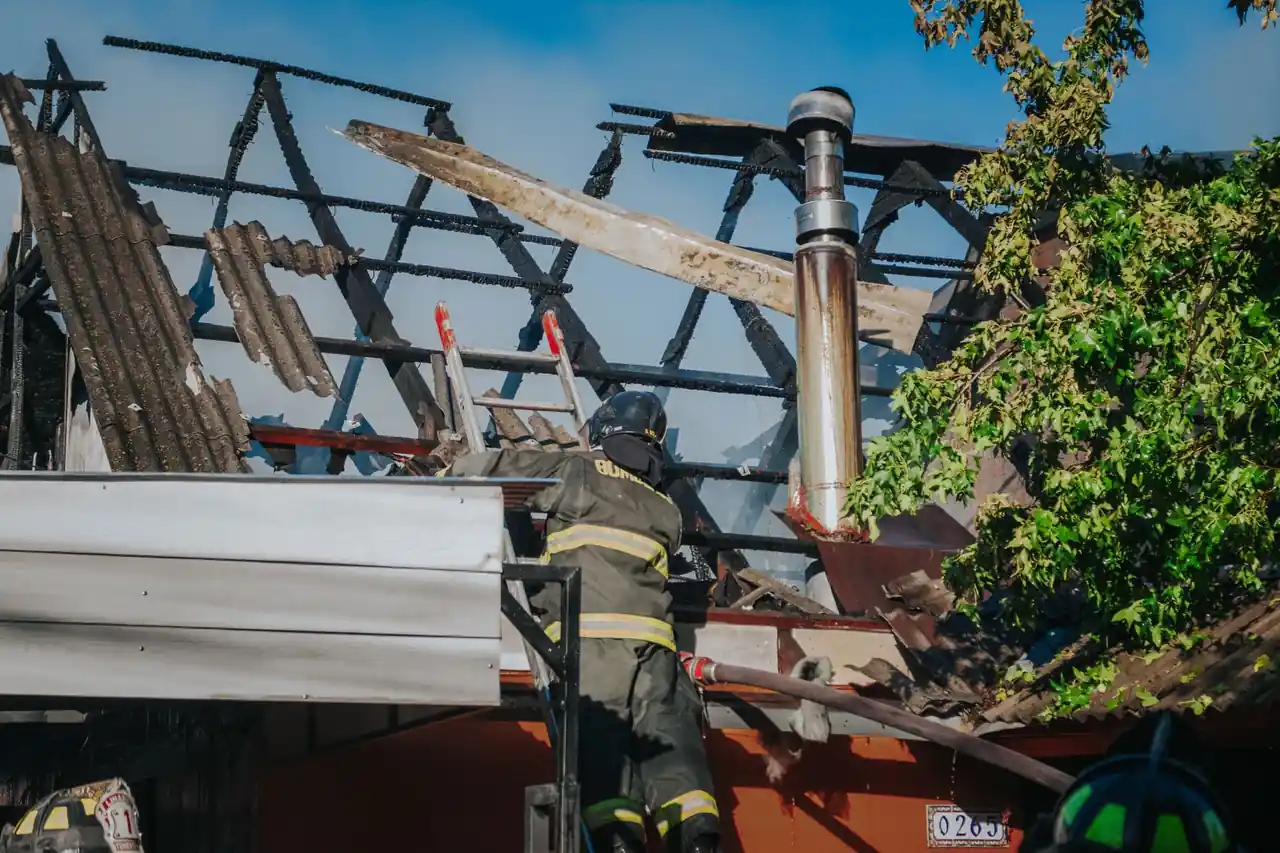
We replace the lifted or missing shingles with matching material and re-nail them at the correct height. Then we check the underlayment beneath them, because a lifted shingle usually means water has already been getting in. Wind and heat lift shingle edges, and once they are up, water gets underneath instead of running down the channel. The next storm pushes water into the attic and onto your ceiling.
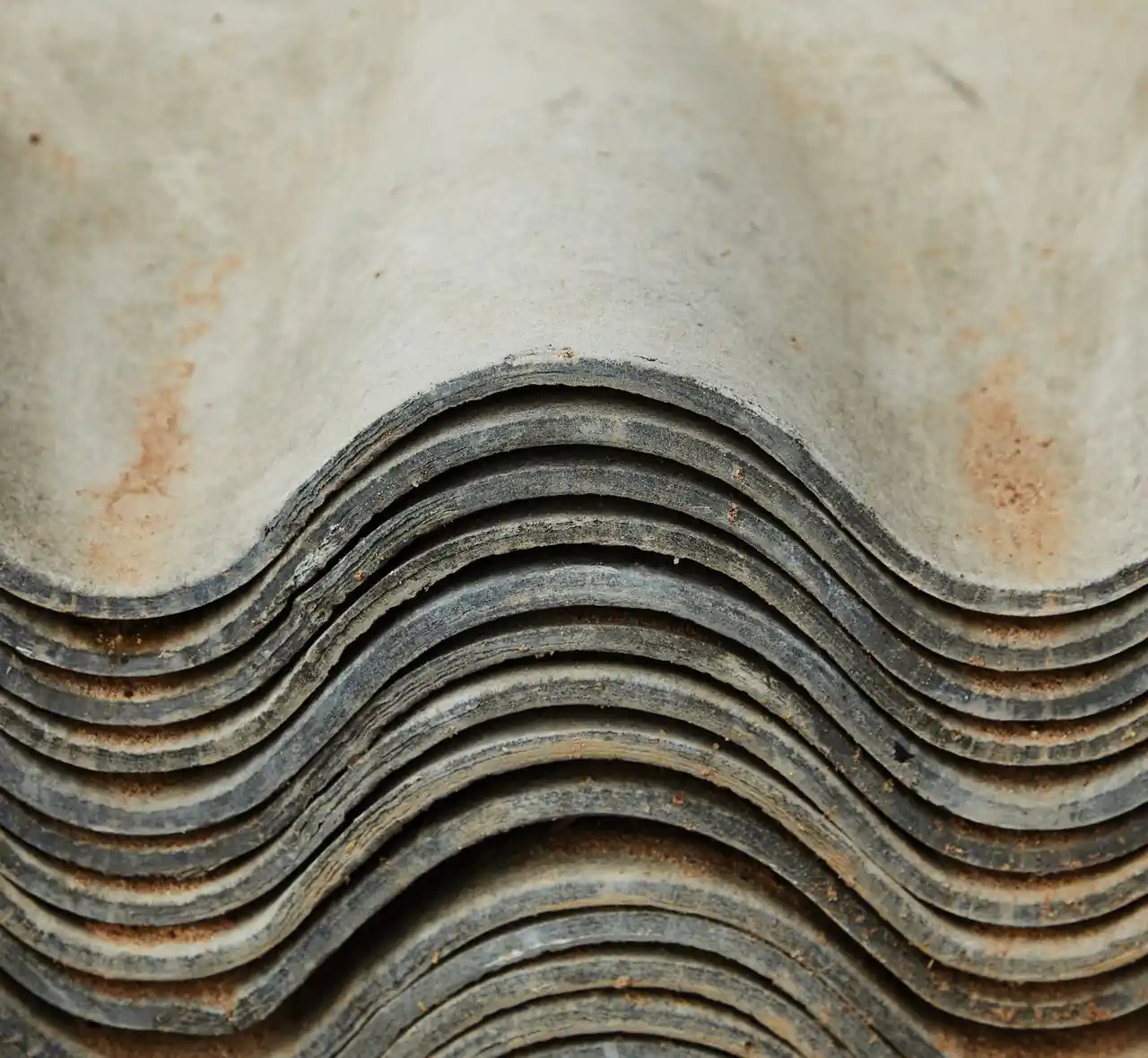
We clear the valley, flush it with water and check that it drains freely to the gutter. If the buildup has already damaged the flashing or sealant, we repair that on the same visit. Leaves and shingle granules hold water in the valley instead of letting it drain, which keeps the flashing wet and speeds up corrosion and sealant failure.

We use an infrared thermal imaging camera and a moisture meter to trace the water back to its entry point. That is how we confirm the valley is the source before we open anything up. Water travels along rafters before it drips, so the stain can be 6 to 10 feet from the actual leak. Homeowners often patch the wrong spot and the leak returns.
Water that enters a valley often shows up 6 to 10 feet away on your ceiling. We trace it back to the valley, seal the entry point and dry the path, so you are not repainting the same stain every spring. Most valley repairs take two to four hours once we are on the roof.
Once water soaks the underlayment and decking, wood softens and nails lose their grip. Catching the leak in the first season usually means a repair instead of a tear-off. We check moisture with a meter before we close anything up, so you know the deck is dry.
Wet attic insulation loses its R-value and stays damp for weeks in Alhambra's cooler months. A sealed valley keeps the attic dry, which keeps your cooling bills where they should be. We note any insulation that needs replacing while we are up there.
A valley that has already leaked once will leak again in the next storm. Fixing it now means you are not paying for emergency Roof Valley Leak Repair Alhambra CA at 2 a.m. with a tarp over half the roof. One repair, done right, beats three temporary patches.
Clear records you can keep and share.
Images of the failed flashing and the finished repair
Before and after numbers from the attic inspection
The quoted number, confirmed before work starts
A valley is where two roof planes meet, and it handles more water than any other part of the roof. That is why a small gap there causes a big leak below.
A valley works as a system: decking, underlayment, metal, then shingles. Skipping the underlayment is the most common reason a valley repair fails the second time.
Water runs along rafters before it drips, so the ceiling stain is often 6 to 10 feet from the actual leak. Tracing it from the attic is how we find the real entry point.
Alhambra summers push attic temperatures past 140 degrees, which dries out valley sealant. Checking it each fall is cheaper than an emergency call in winter.
Not sure if we cover your area? Call and ask. (626) 640-8498
Most valley repairs in Alhambra run $350 to $1,200 in 2026, depending on how much shingle and flashing has to come up. A simple reseal with new sealant sits at the low end. A full valley rebuild with new underlayment and metal lands at the top. We give you the number before we start.
The usual causes are failed valley flashing, lifted shingle edges, and underlayment that has dried out after years of summer heat. Alhambra roofs also collect debris from nearby trees, which holds water in the valley and speeds up the damage. We find the exact cause with a moisture meter before we quote the repair.
We do. Roof Repair Alhambra Pros handles valley leaks across Alhambra and the surrounding San Gabriel Valley, including San Gabriel, Monterey Park and Rosemead. Call (626) 640-8498 and we will schedule an inspection, usually the same day. Emergency calls during rain get priority.
A typical valley repair takes two to four hours on site, including the hose test at the end. Larger valleys or repairs that need new decking can run a full day. We tell you the expected window when we confirm the appointment, and we do not leave until the valley passes a water test.
Water in your valley will not fix itself, and the next storm is already on the way. Call (626) 640-8498 and we will inspect the valley, show you what failed and give you a flat price before we start. Same-day and emergency slots are usually open.
Call us at (626) 640-8498 or email [email protected]. We answer the phone during business hours and respond to emergency calls after hours. Same-day estimates are available for most jobs in Alhambra and surrounding areas.