Written scope
What failed, what we will replace, what it costs.
Roof Leak Repair Alhambra CA starts with finding the actual source, not guessing at it. We handle roof leak fixing in Alhambra for shingle, tile, metal and flat roofs, tracing ceiling stains and attic drips back to failed flashing, worn vent boots and cracked sealant. If water is coming in now, call (626) 640-8498 and we will get a tarp on it and a plan in place.
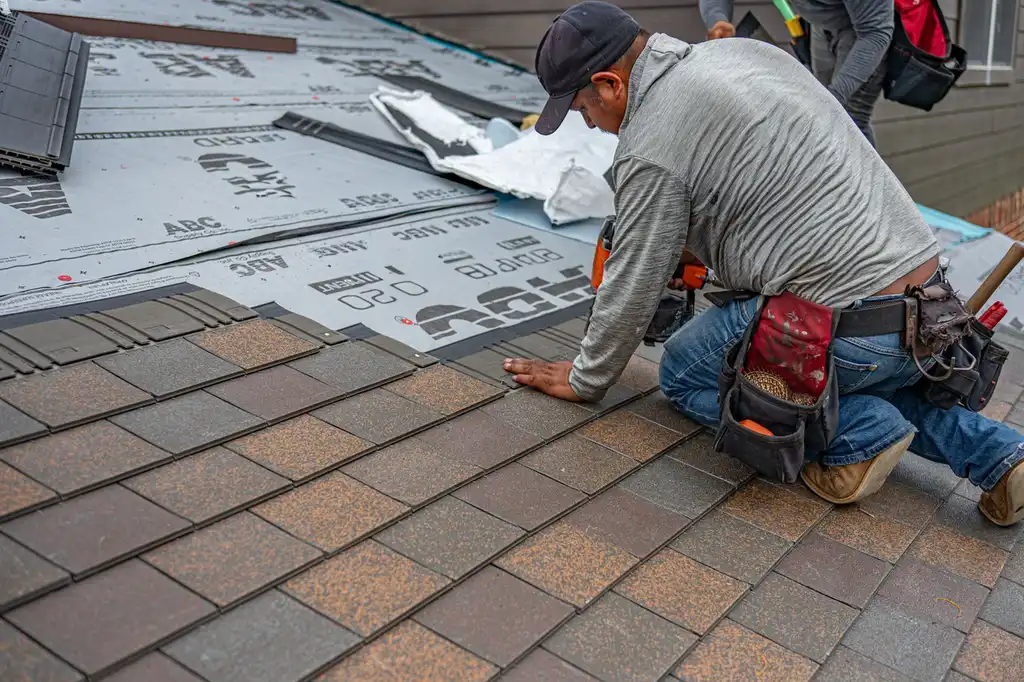
Every leak repair starts with detection and ends with a water test. The scope below covers what is standard on a typical Alhambra job. If we find additional damage while we are on the roof, we show you the photo and price it before doing anything.
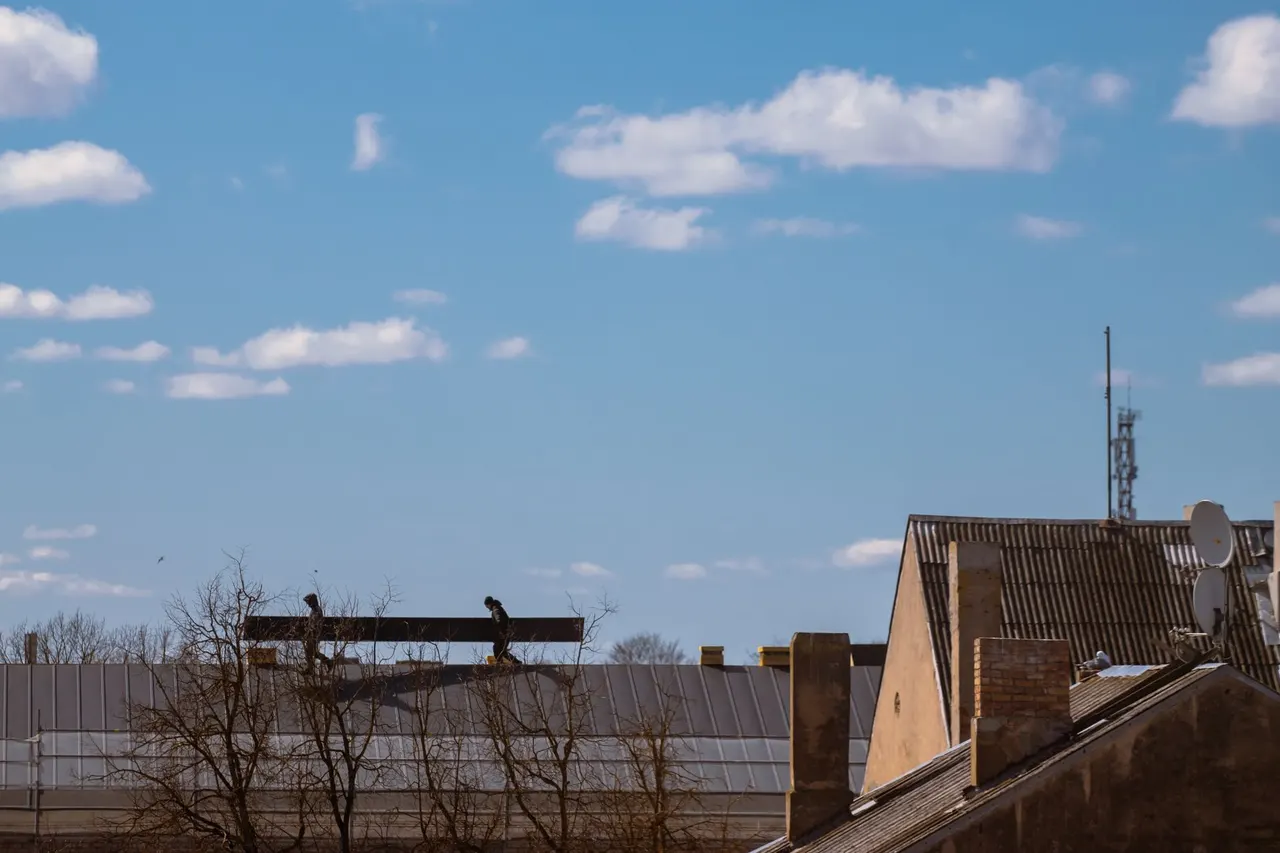
We trace leaks in houses from the ceiling stain back to the roof entry point. Repairs cover shingle, tile, slate and metal roofs on Alhambra homes.
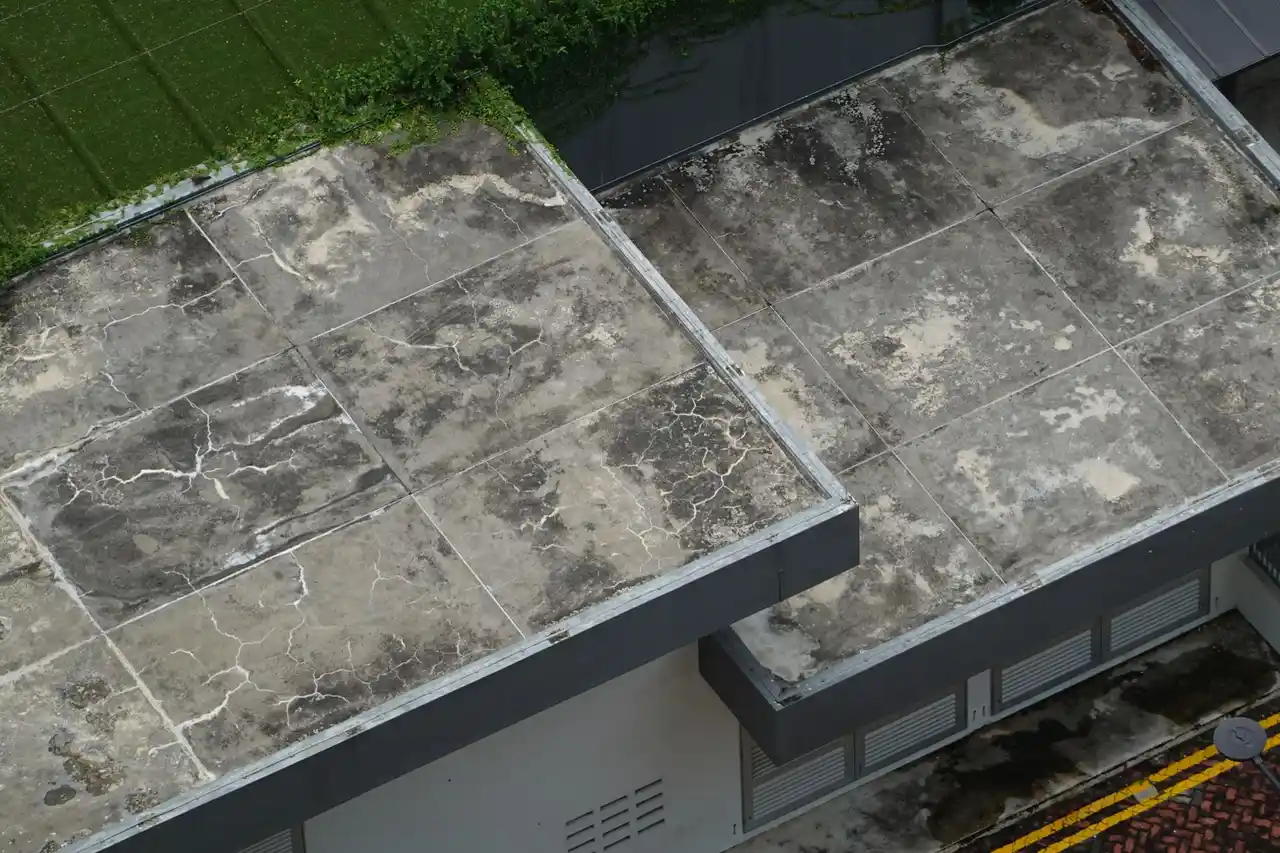
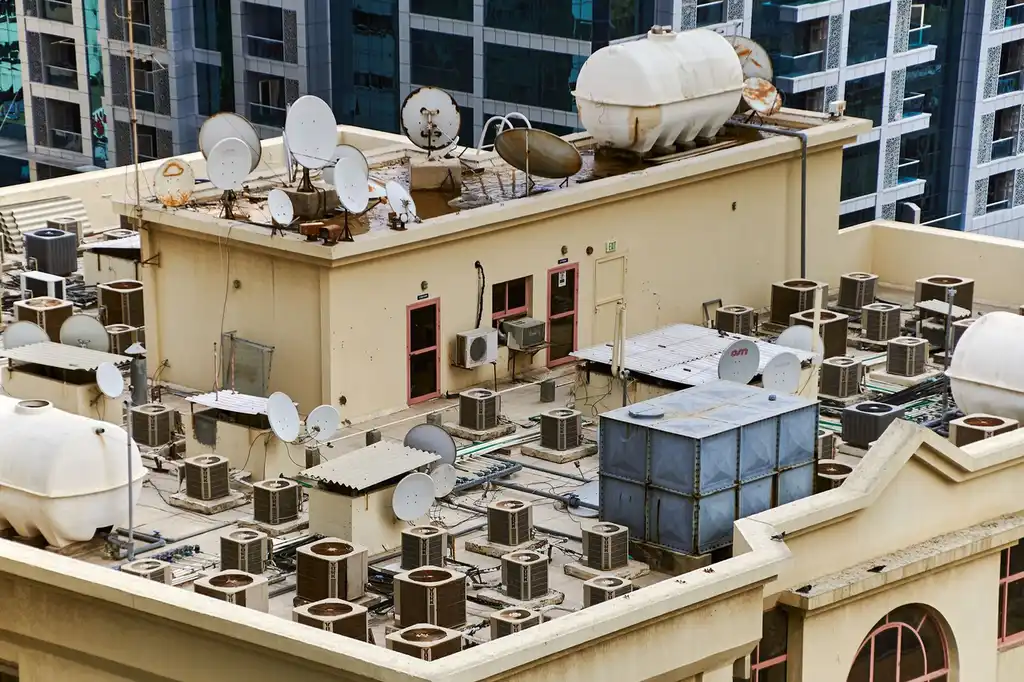
We repair leaks on flat and low-slope commercial roofs with minimal disruption. Work is scheduled around your operating hours and documented for your records.
Roof Leak Repair Alhambra CA is the process of locating the point where water enters a roof assembly and restoring that area so it sheds water again. That means inspecting the underside of the deck, checking roof flashing at walls and chimneys, testing vent boots, probing roof valleys and reading the ceiling stain pattern to work backward to the source. Most leaks we open up are not where the stain shows. Water travels along rafters and underlayment before it drips, so we trace it with a moisture meter and infrared thermal imaging camera before we touch a shingle.
Alhambra sits in Los Angeles County, where roofs bake through long dry summers and then take concentrated rain between November and March. That cycle cracks sealant, lifts shingle tabs and dries out pipe boots until the first real storm finds every weak point at once. We see the same pattern every year: a dry October, then a wet December with ceiling leaks in 91801 and 91803. If you search for roof leak fixing near me Alhambra after a storm, the fix is usually smaller than the panic suggests, but only if it is diagnosed correctly.
Find the water path first, then repair the roof where it actually failed.
Five steps, no mystery. You will know what we found, what it costs, and when we are coming back before we start.

Call (626) 640-8498 and describe what you are seeing: a brown ring on the ceiling, water in the attic, a drip near a chimney. We ask a few questions to gauge urgency and give you a realistic arrival window. If the leak is active, we tell you how to limit damage in the meantime, usually by moving furniture and putting a bucket under the drip.
We walk the roof and the attic, run a moisture meter across suspect decking, and use an infrared thermal imaging camera to map wet areas that are not visible yet. Roof ladder up, pry bar and utility knife out, we open the suspect area carefully. Most detections take 45 to 90 minutes on a typical single-story Alhambra home.
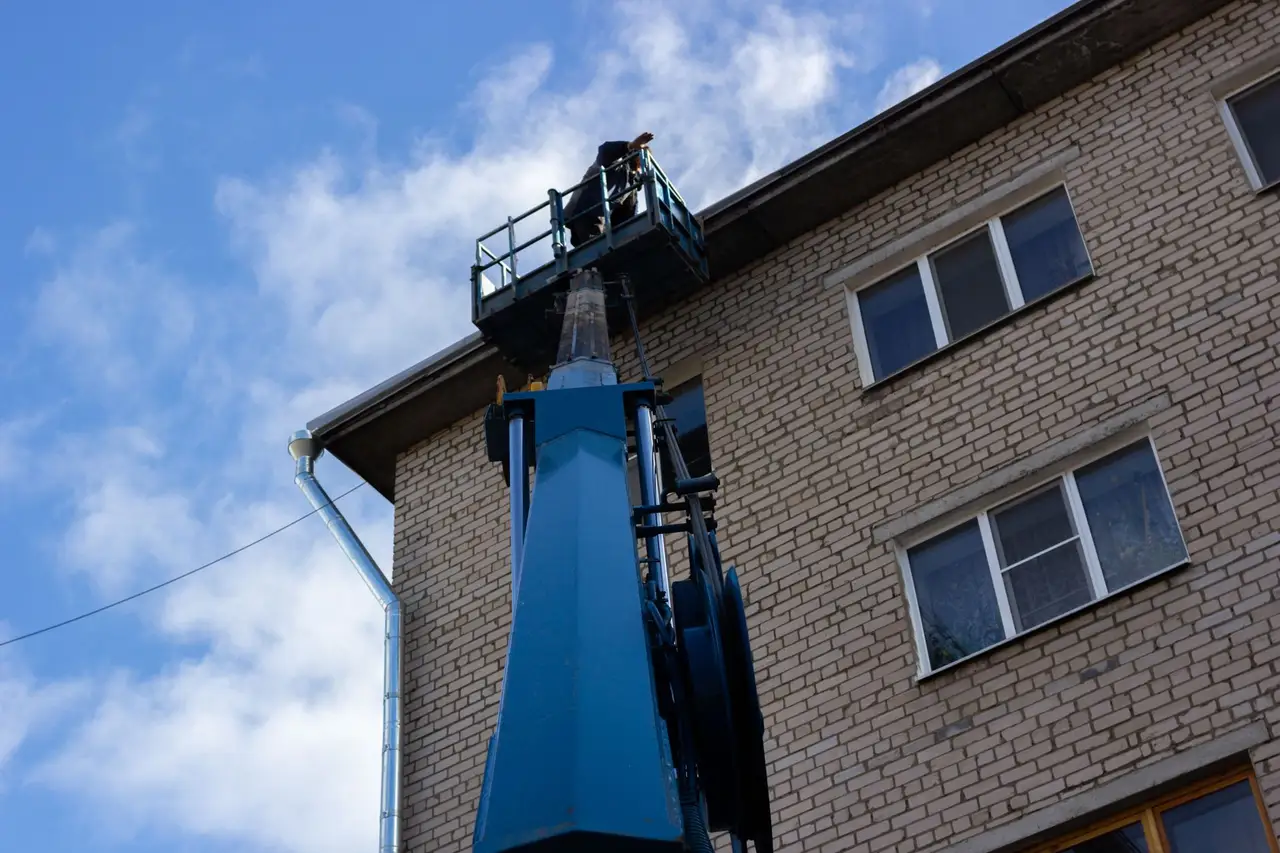
You get a clear scope: what failed, what we will replace, what it costs. No vague line items. If we find a second issue while we are up there, like a chimney leak starting at the counter-flashing, we show you the photo and price it separately so you can decide. Pricing is confirmed before any work begins.
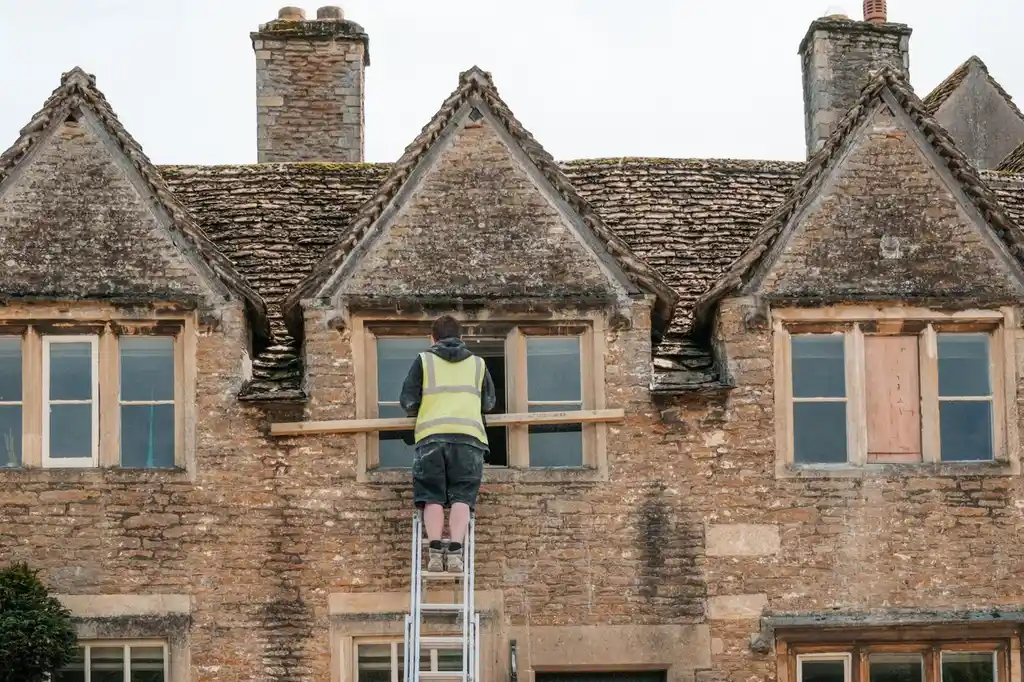
Most repairs run two to four hours. We remove damaged material, replace flashing or vent boots, re-seal penetrations with the right product for the substrate, and re-nail shingles with a nail gun set to the correct depth. Flat roof seams get primed and welded or cemented per membrane type. We keep the work area tarped and clean as we go.
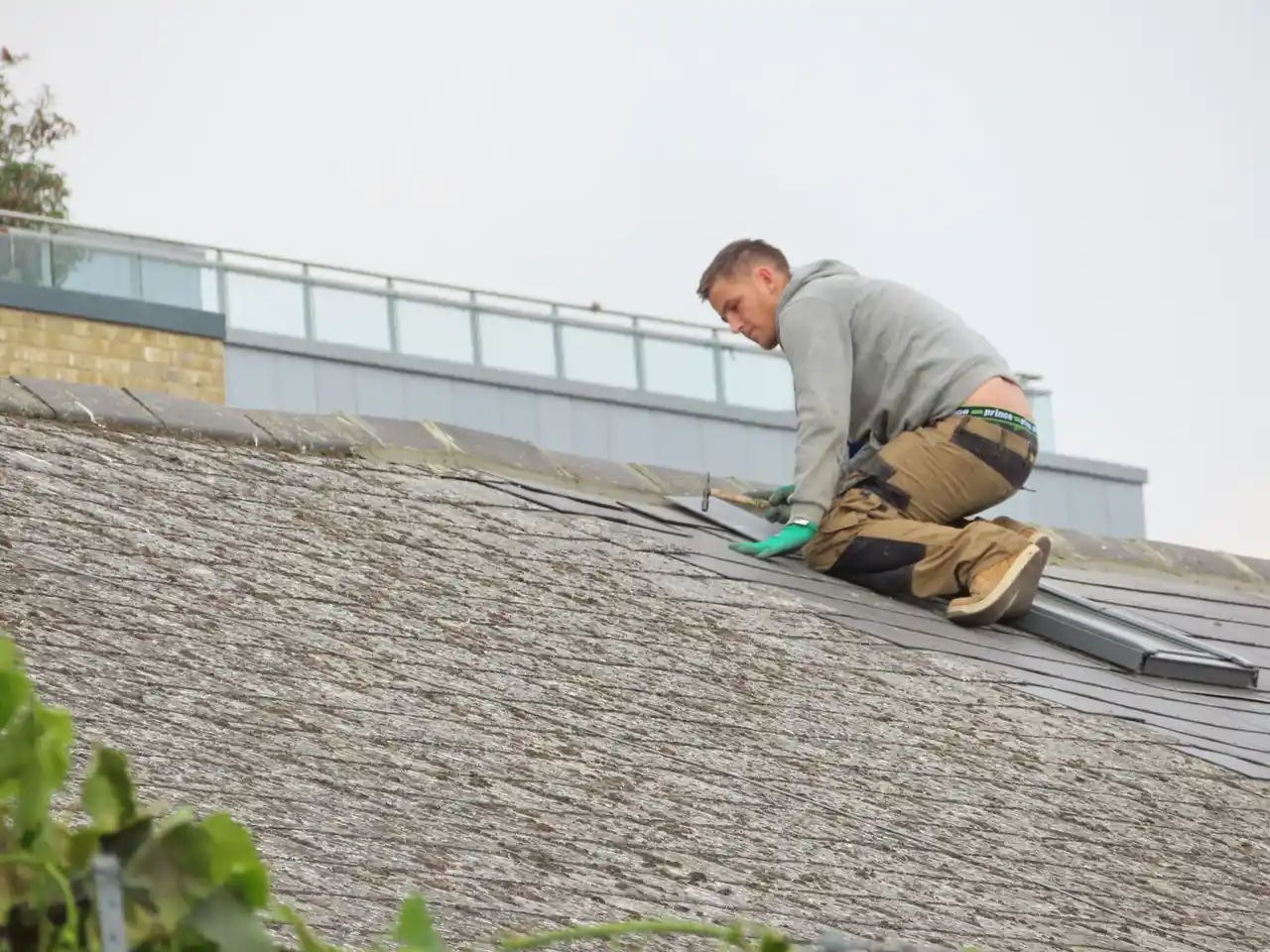
Before we leave, we run a hose test over the repaired area and re-check the moisture meter readings inside. You see the dry reading yourself. We walk you through what failed, what we did, and what to watch for over the next rain. If anything weeps, we come back and make it right.
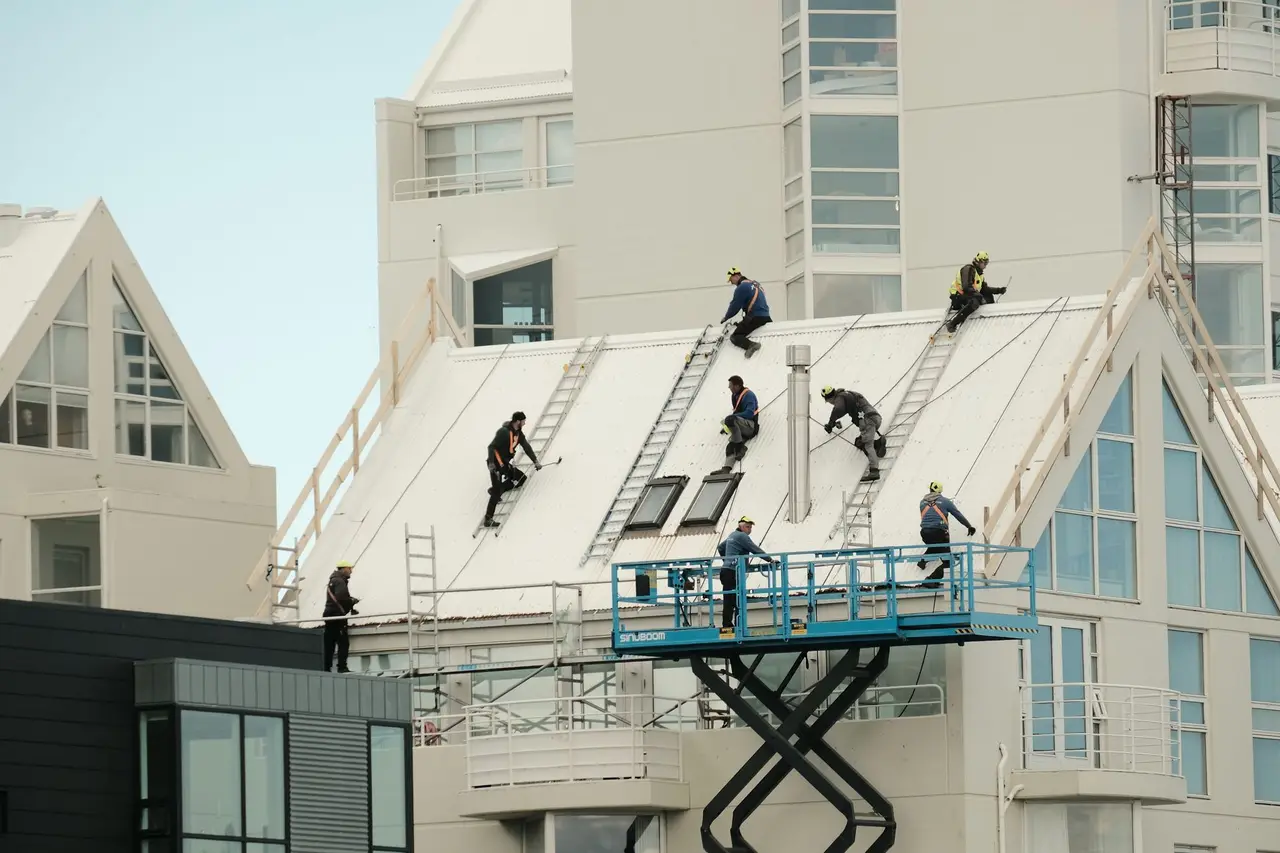
Maps temperature differences on the roof and attic deck to reveal wet insulation and hidden moisture paths that are invisible to the eye.
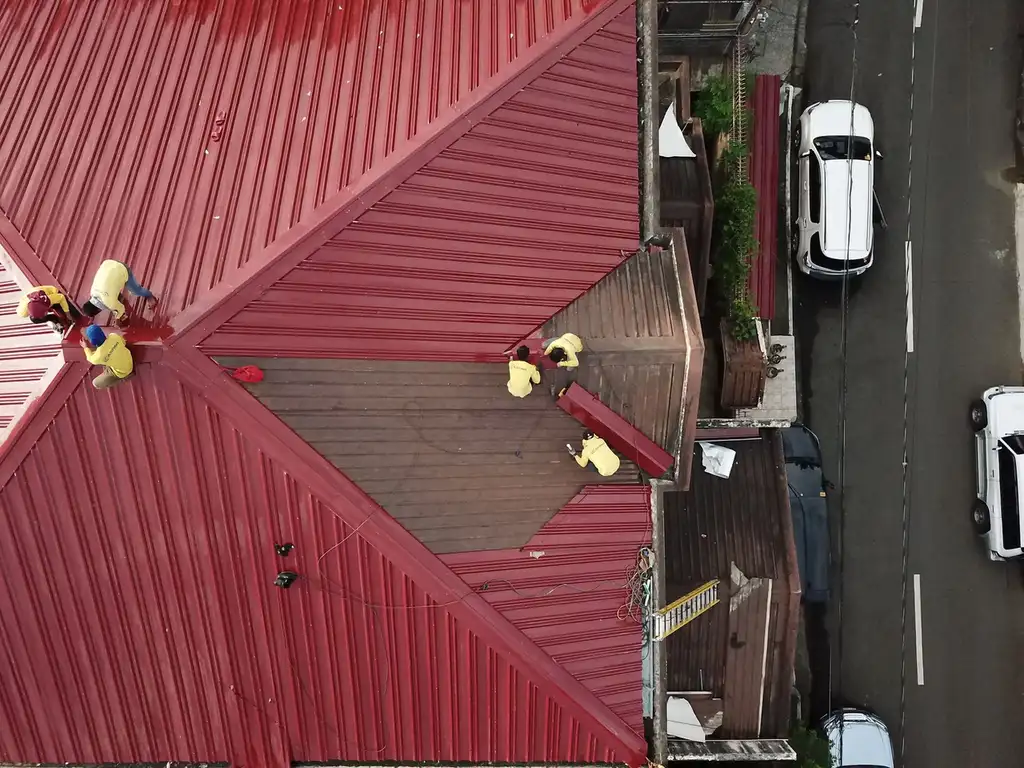
Confirms wet readings in decking, drywall and framing, and verifies that the repaired area reads dry before we close out the job.
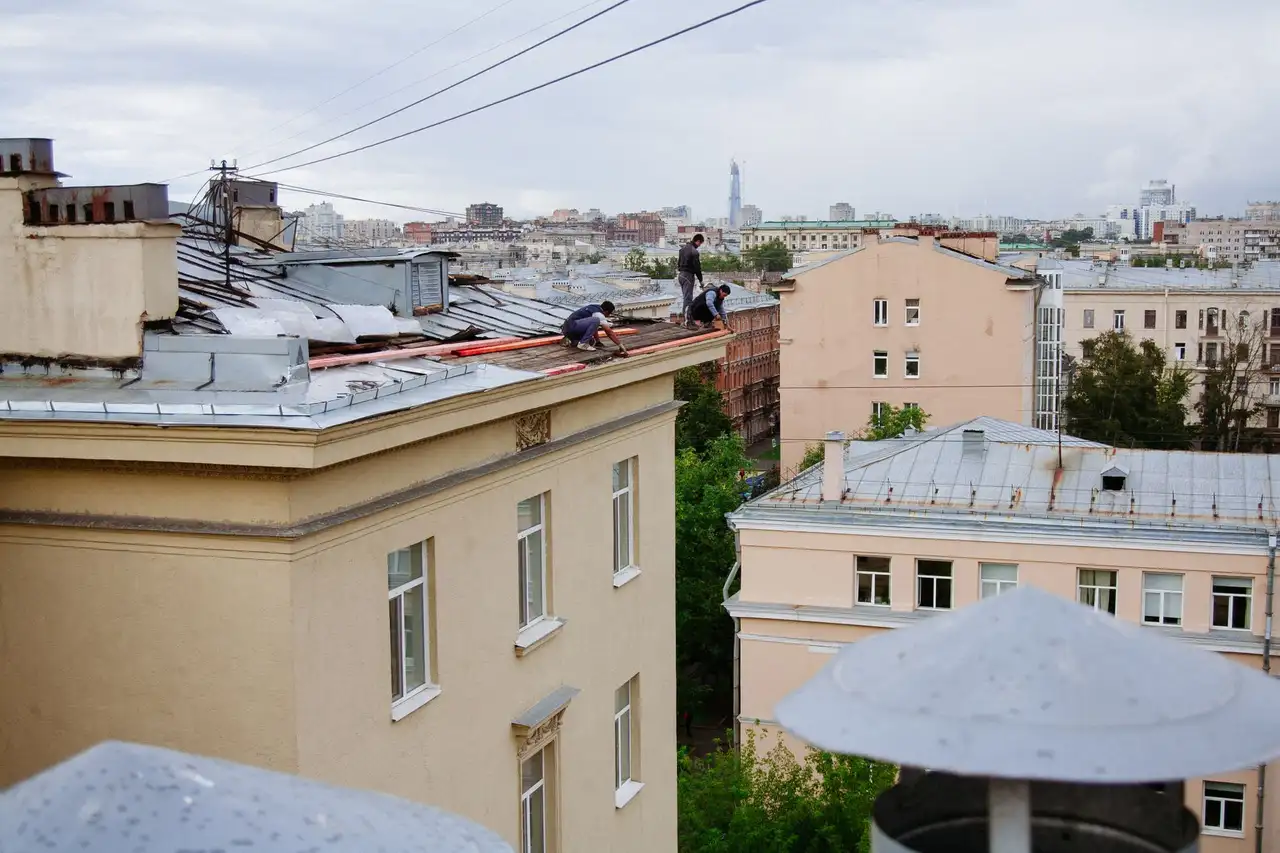
Provides safe, stable access to steep-slope and tile roofs without putting weight on fragile surfaces.
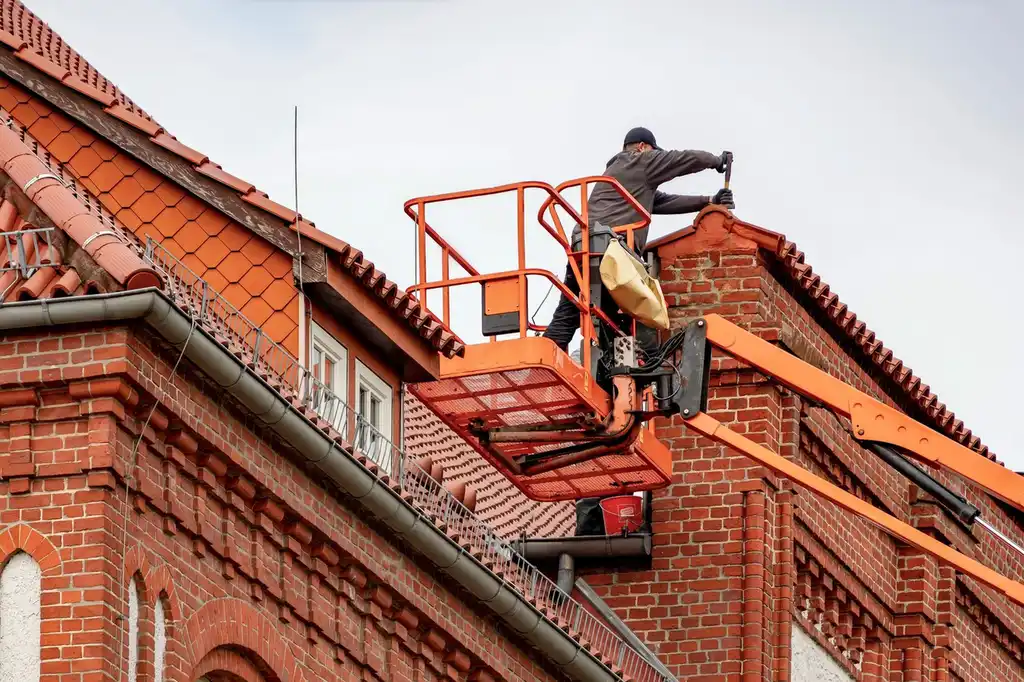
Lift shingles and tiles cleanly and cut damaged material out so the repair bonds to sound substrate.
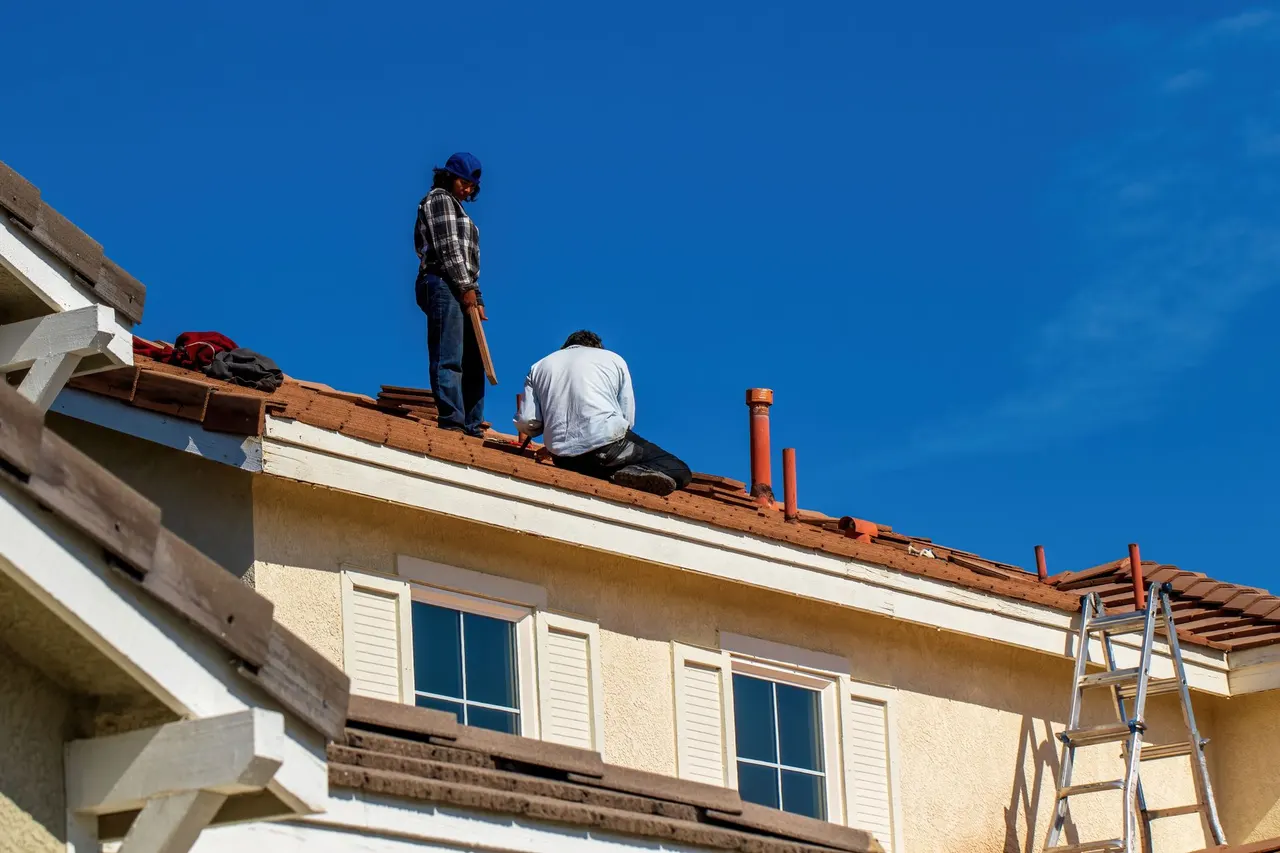
Applies Henry, DAP and manufacturer-specific sealants to flashing joints, penetrations and terminations.

Fastens replacement shingles and flashing at the correct depth and pattern to match the existing roof.
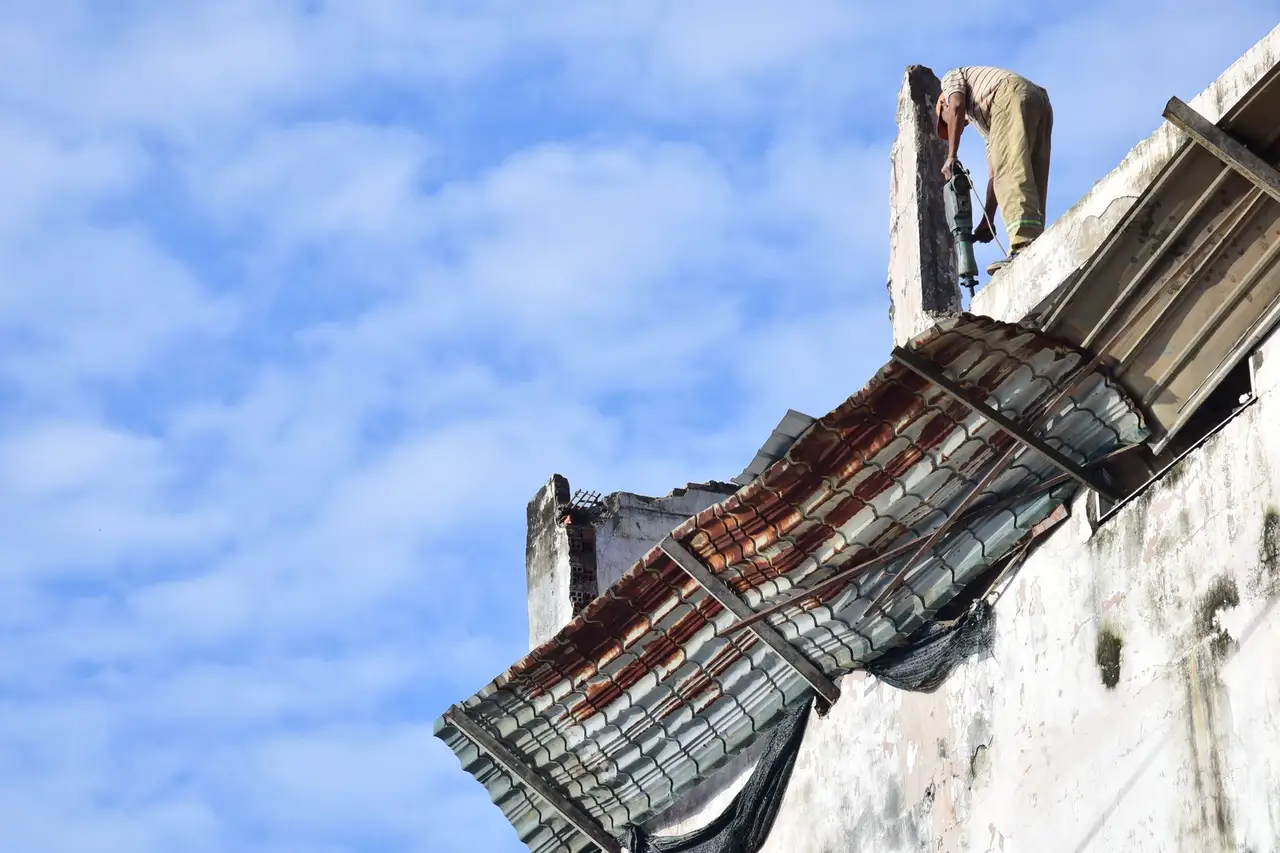
Tarp secures the roof during active storms; the hose runs the final water test over the repaired area before we leave.
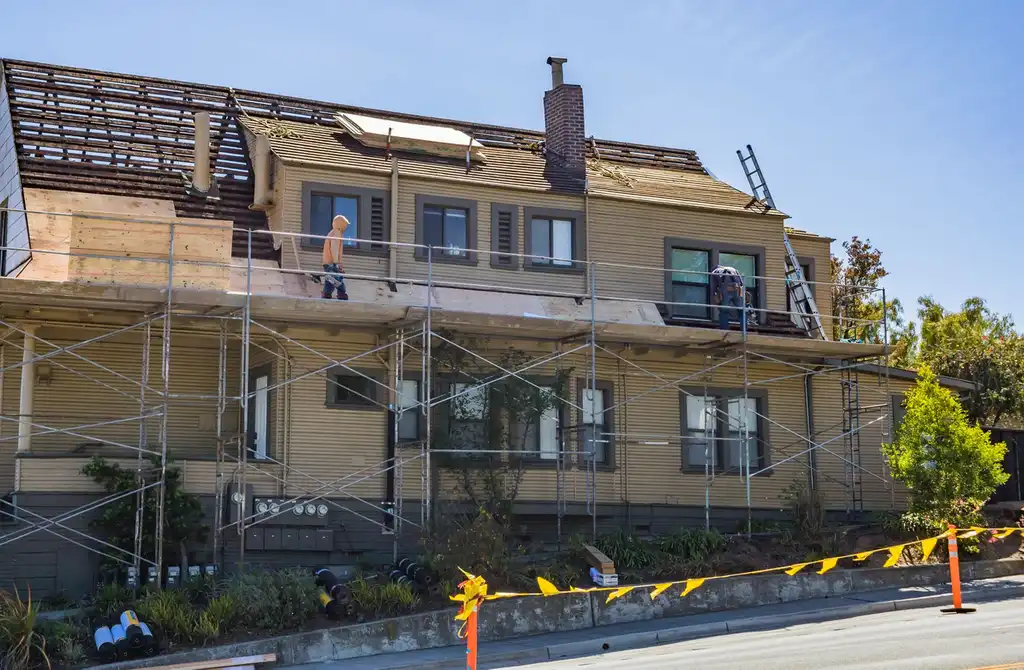
We follow the leak from the interior stain backward through the attic and roof assembly, using moisture readings and thermal imaging to confirm the entry point. This prevents patching the wrong spot, which is the most common reason leaks return.
We treat active leaks as priority calls. A crew comes out, tarp the roof if needed to stop the water, and schedule the permanent repair for the next dry window. You get a clear picture of what failed and what it will take to fix it. Water stops entering the house the same day, and the permanent repair is completed without waiting through another storm.
That stain is a leak that already happened, and the entry point is still open. We run a detection visit, confirm the source with a moisture meter and infrared scan, and repair it before the next rainy season finds it again. A small repair now, instead of a ceiling rebuild and insulation replacement later.
We inspect the flagged area, confirm whether the repair is holding, and document our findings with photos and a written scope. If something needs redoing, we fix it and provide the paperwork for your file. A clear, documented answer for the buyer and their inspector, which keeps the sale moving.
Repeat leaks usually mean the wrong repair was done, not that the roof is finished. We scan the membrane, find the actual failure, and repair it to manufacturer spec, whether that is a welded TPO patch or a rebuilt modified bitumen lap. The leak stops coming back, and you stop paying for the same patch every year.
Alhambra roofs take a specific beating. Summers push surface temperatures well past 140 degrees on dark shingle roofs, which cooks sealant and dries out pipe boots until they crack. Then the rain arrives between November and March, often in concentrated storms, and every dried-out detail gets tested at once. Older homes near downtown and along Main Street often have multiple roofing layers, which makes leak tracing harder because water can travel between layers. Hillside homes above town deal with wind-driven rain that pushes water sideways into flashing and valleys. We work with all of it: asphalt shingles, clay tiles, slate, metal panels and flat membrane sections over garages and additions. If you need roof leak fixing contractor Alhambra CA work done on a roof with three layers of history, we will tell you honestly whether a repair will hold or whether a section needs to come down to the deck. Most jobs are completed in a single visit, and we schedule around the rain rather than through it when sealants need a dry surface.
A homeowner called after a December storm left a spreading brown ring on the hallway ceiling. Two prior companies had quoted a full re-roof of the back slope. The actual cause was a cracked rubber boot around a plumbing vent, with water tracking eight feet along a rafter before it dripped.
We replaced the vent boot, resealed the base and re-nailed two lifted shingles in about 90 minutes. The hose test showed a dry reading inside, and the ceiling stain stopped growing. Total cost came in under $300, a fraction of the re-roof quotes.
Check vent boots every fall before the rainy season. A $12 boot replaced on time prevents a ceiling repair that runs into the thousands.
A Monterey Park property had a flat garage roof that had been patched four times in three years, always in the same corner. Standing water after each storm kept finding the same failed seam. The previous patches were surface cement over a dirty membrane, which never bonded properly.
We cleaned and primed the seam, welded a proper TPO patch to manufacturer spec, and adjusted the drainage path so water no longer pools in that corner. Two rainy seasons later, the seam has held with no further leaks.
Clear debris from flat roof drains twice a year. Standing water is what kills flat roof seams, and drainage is the cheapest fix there is.
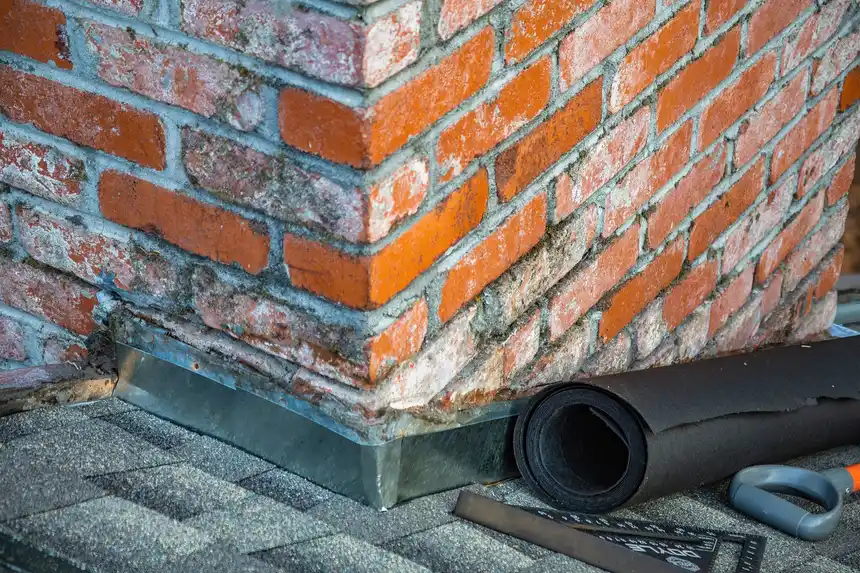
Water was dripping down the side of a chimney into the living room during every storm. The counter-flashing had pulled away from the masonry, and the step flashing beneath was rusted through. The homeowner had been placing towels under the drip for two winters.
We rebuilt the chimney flashing layers, replaced the rusted step flashing, resealed the counter-flashing and confirmed the repair from the attic side. The living room stayed dry through the next storm cycle, and the homeowner stopped using towels.
Inspect chimney flashing each fall. Masonry and metal move at different rates, so the seal at the chimney is one of the first details to fail on any roof.
Most leaks fall into a handful of patterns. Here are the ones we see most often in Alhambra, what happens if you ignore them, and how we fix them.
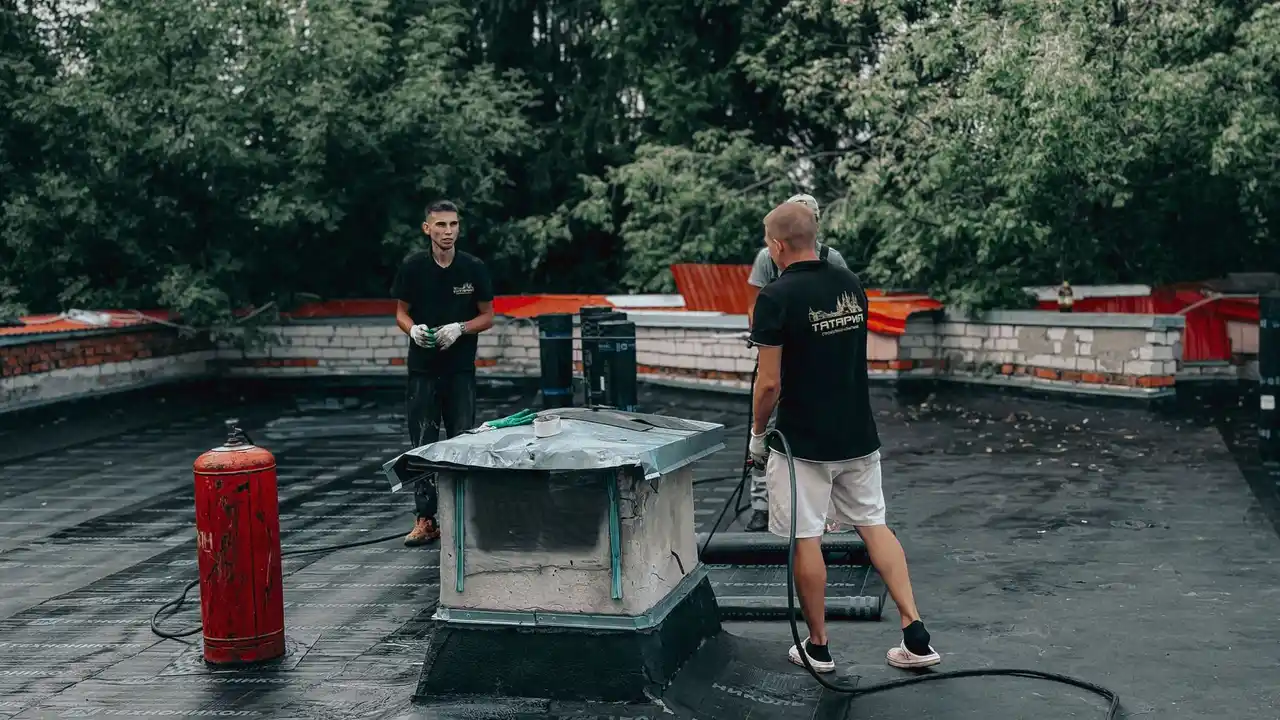
We trace the stain back to the roof entry point with a moisture meter and infrared camera, repair the failed component, and confirm the fix with a water test. You get a dry reading and photos of the repair before we leave. Insulation stays wet, drywall sags, and mold can start within days. The longer it sits, the more of your ceiling has to be cut out and replaced.
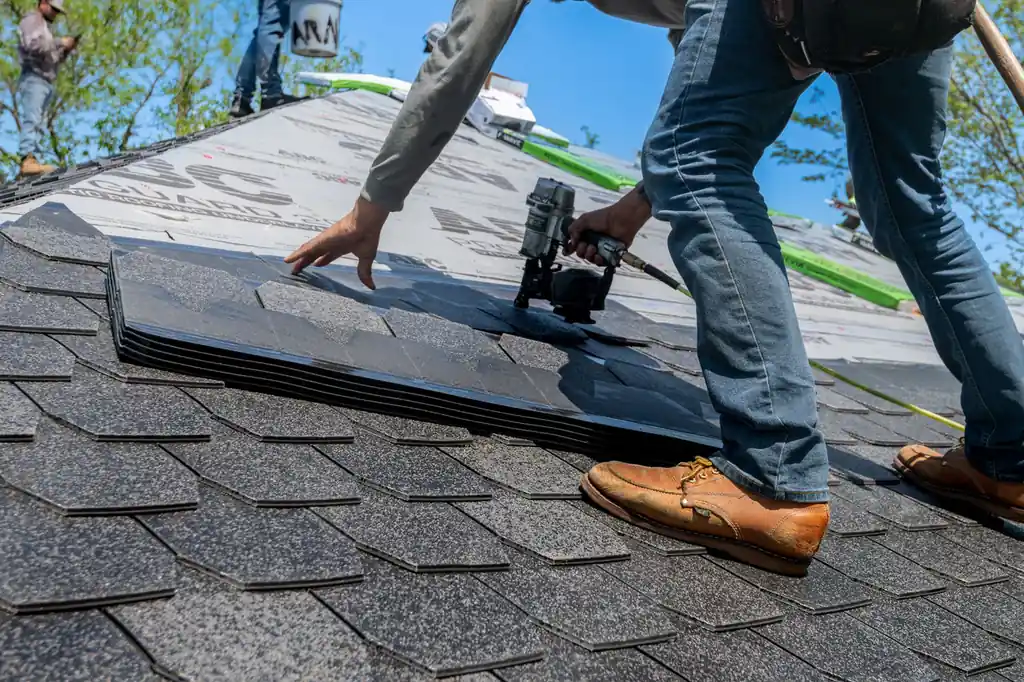
We rebuild the chimney flashing layers, reseal the counter-flashing and check the leak path from the attic side. Most chimney flashing repairs are completed in a single visit once the roof is dry. Chimney leaks soak the framing around the flue and can rust the firebox over time. Left alone, the repair grows from flashing work into structural repair.
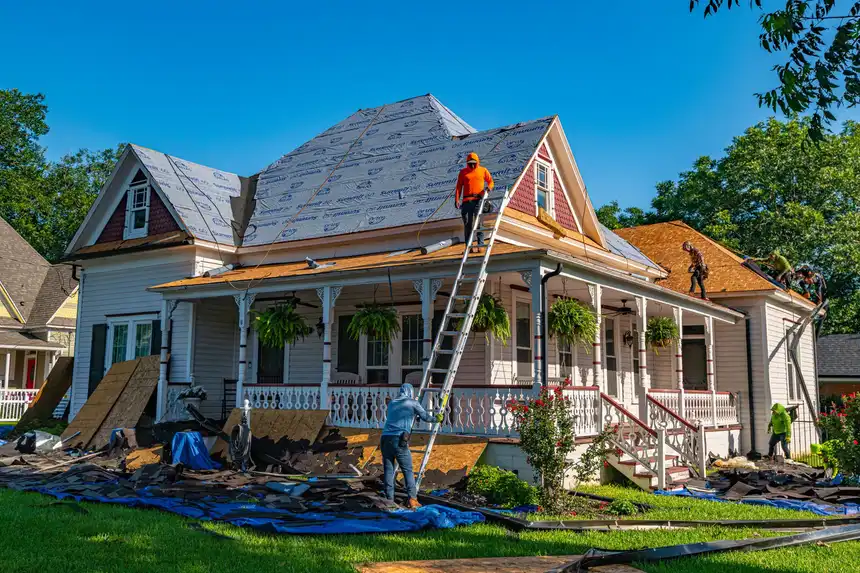
We repair the seam per the membrane manufacturer's spec, whether that is TPO welding, EPDM splicing or modified bitumen cementing, and check drainage so water stops pooling in the same spot. Standing water finds every seam failure and eventually works into the deck. Ponding also shortens the life of the membrane itself.
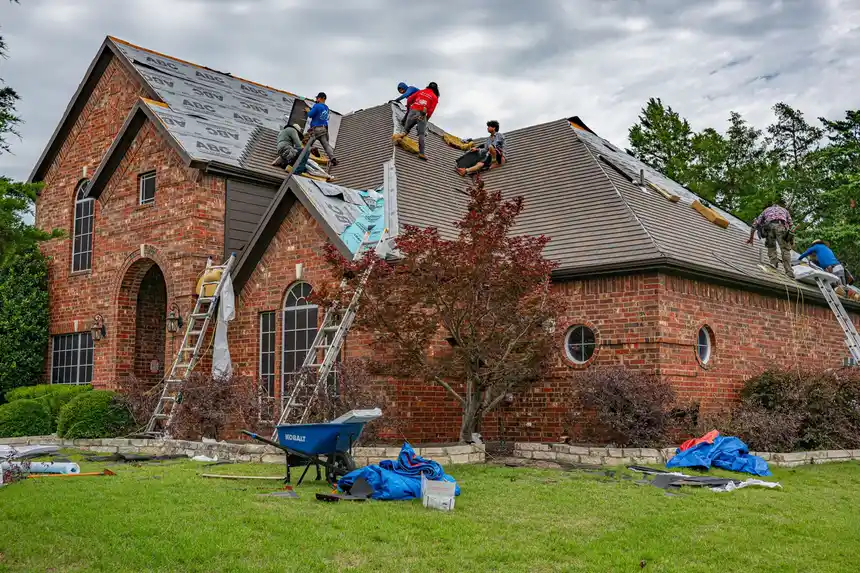
Water travels along rafters and underlayment before it drips. We follow the path with thermal imaging and moisture readings, so the repair targets the real source. On one 91803 job, the entry point was eight feet from the stain. Homeowners and less experienced crews patch the wrong spot, the leak returns, and money gets spent twice on the same problem.
Water coming through a ceiling does not wait for a convenient appointment. We prioritize active leaks, tarp the affected area when needed, and stop the water from spreading into insulation and drywall. Emergency Roof Leak Repair Alhambra calls get triaged first, so a Saturday-night drip in 91803 does not turn into a Monday-morning ceiling collapse.
We do not sell a re-roof when a $12 vent boot is the problem. Infrared scanning and moisture readings tell us whether the leak is at a roof penetration, a valley, a seam or a skylight. You get the actual cause in plain language, plus photos of what we found, before any material gets ordered.
Asphalt shingles, clay tiles, slate, metal panels and flat membranes all fail differently and repair differently. We stock GAF, Owens Corning and CertainTeed shingle profiles, plus Henry and DAP sealants, Carlisle SynTec and Firestone membrane products for flat sections. Matching the existing system is what keeps a repair invisible and durable.
Work is performed to California code under a C-39 Roofing license, with flashing details that meet manufacturer specs. That matters at resale and at insurance claim time. A documented, code-correct repair protects your coverage and your home's value far better than a smear of roof cement over a cracked boot.
Clear records you can keep and share.
What failed, what we will replace, what it costs.
Before and after images of the repaired area.
Dry moisture reading confirmed before we leave.
The stain on your ceiling is rarely directly under the roof damage. Water travels along framing and underlayment before it drips, so the entry point can be several feet away.
Water follows rafters and underlayment before it drips. The ceiling stain often sits well away from the actual roof failure, which is why guessing at the spot wastes money.
Rubber boots around plumbing vents dry out in the sun and crack before most other roof parts fail. They are cheap to replace and a common cause of winter leaks.
Water standing on a flat roof finds every seam weakness. Fixing drainage is often as important as repairing the seam itself, or the leak will return in the same corner.
Not sure if we cover your area? Call and ask. (626) 640-8498
Most residential repairs land between $180 and $850 in 2026, with the average job around $350 to $500. A vent boot replacement or a re-sealed flashing detail sits at the low end. A roof valley leak repair, chimney flashing rebuild or flat roof section can run higher because of material and labor. We confirm your price after detection, before any work starts.
We do, and we are local to the San Gabriel Valley. Our crew works Alhambra and the surrounding cities daily, so we know the roof types here: older shingle roofs near downtown, tile and slate on the hillside streets, flat sections over garages and additions. Call (626) 640-8498 and we will schedule a detection visit.
Yes, in most cases. We can tarp the roof and stop active water intrusion during a storm, then complete the permanent repair once conditions allow. Some sealants and membrane welds need a dry surface to bond correctly, so we schedule those for the next dry window. The tarp protects your ceiling in the meantime.
Often yes, when the leak is sudden and accidental, like storm damage or a fallen branch. Wear-and-tear leaks that developed over years are usually excluded. We document the cause with photos and a written scope so your adjuster can make a clear decision. Coverage depends on your policy, so check with your carrier.
Water damage gets worse by the hour, and a small repair today beats a ceiling rebuild next month. We are a California Contractor License (C-39 Roofing) crew working Alhambra and Los Angeles County every week. Call (626) 640-8498 and we will get a detection visit on the calendar.
Call us at (626) 640-8498 or email [email protected]. We answer the phone during business hours and respond to emergency calls after hours. Same-day estimates are available for most jobs in Alhambra and surrounding areas.