Written scope
A plain summary of what failed and what we replaced
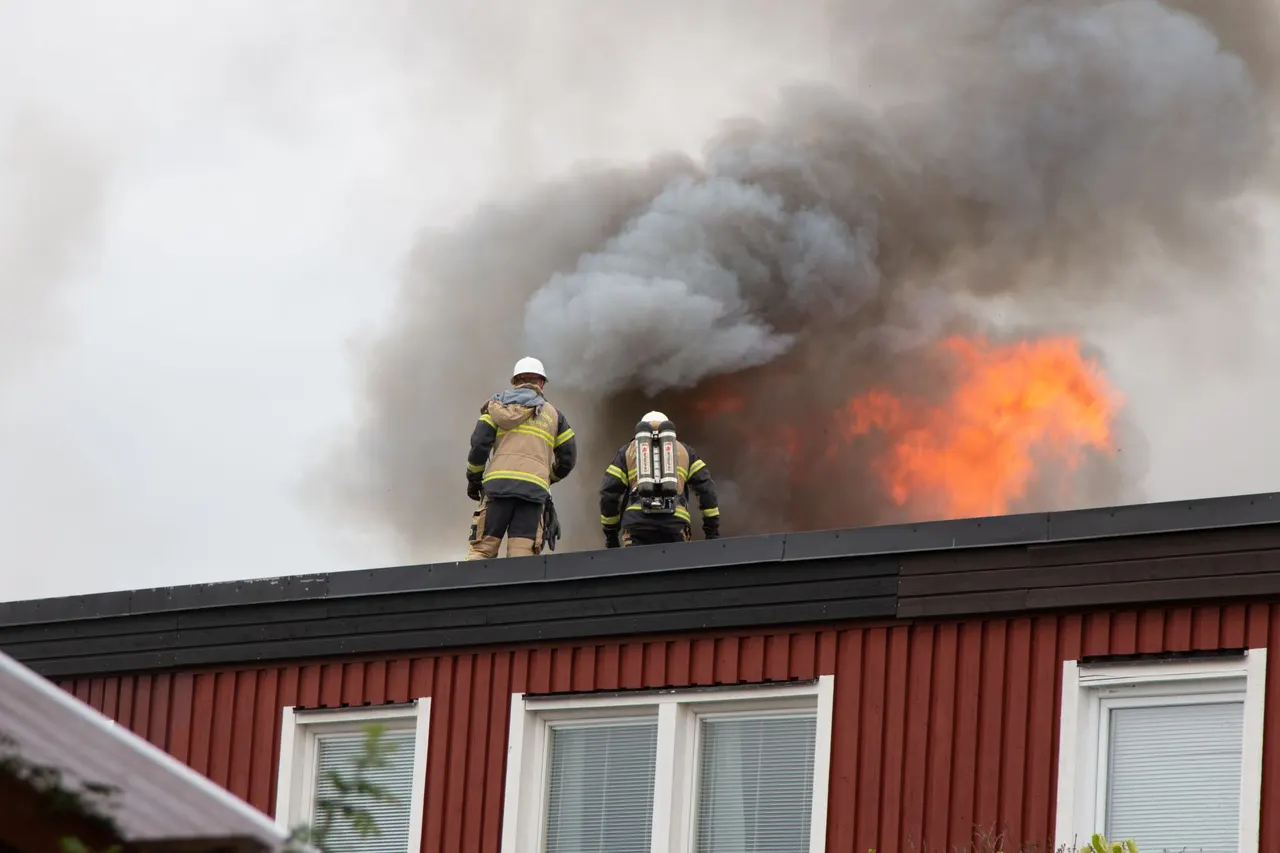
Chimney Flashing Repair Alhambra CA is the fastest way to stop water running down your chimney and into your attic. If you have spotted a ceiling stain, a damp chimney chase, or rust streaks on the masonry after a storm, the flashing is almost always the culprit. We inspect, seal, and rebuild the flashing system so rain sheds away from the chimney instead of soaking into your framing.
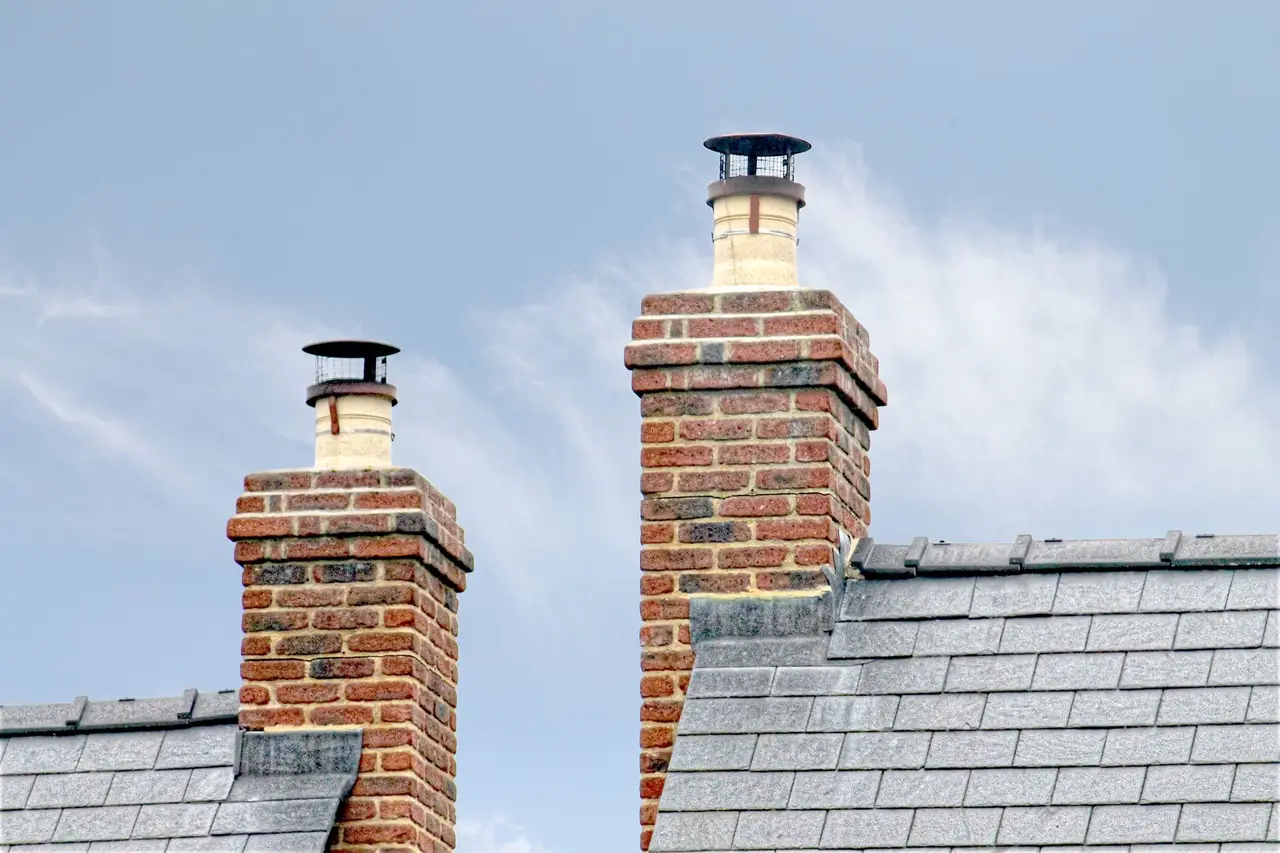
Every chimney flashing job starts with a full inspection and ends with a water test. Here is what is covered in a standard repair, and what we handle as an add-on when the damage goes beyond the flashing itself.
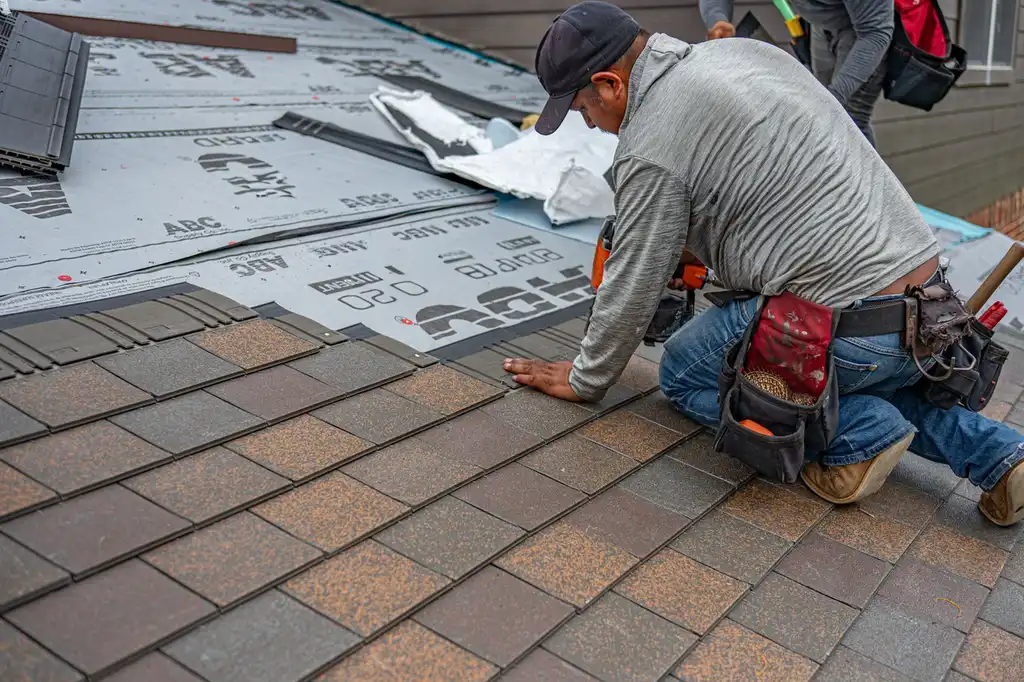
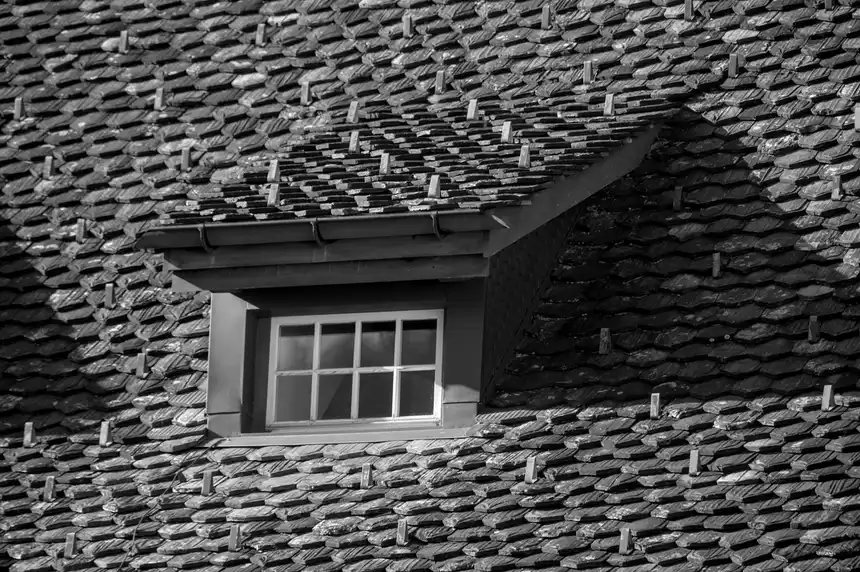
We repair chimney flashing on single-family homes across Alhambra and the surrounding neighborhoods. Whether your roof is clay tile, asphalt shingle, or slate, we lift the surrounding material carefully and rebuild the joint so it sheds water.
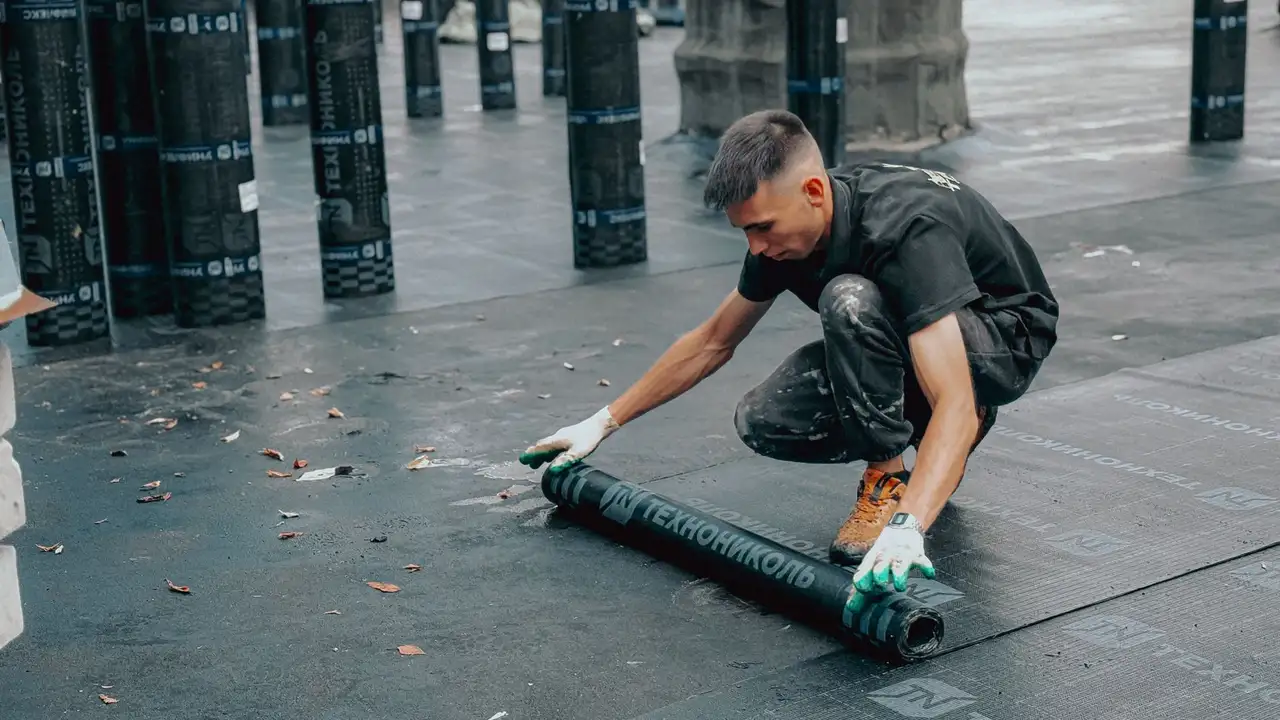
We handle chimney and vent penetration flashing on commercial buildings and multi-unit properties. Flat roof systems like TPO, EPDM, and modified bitumen each need their own flashing detail, and we work with all of them.
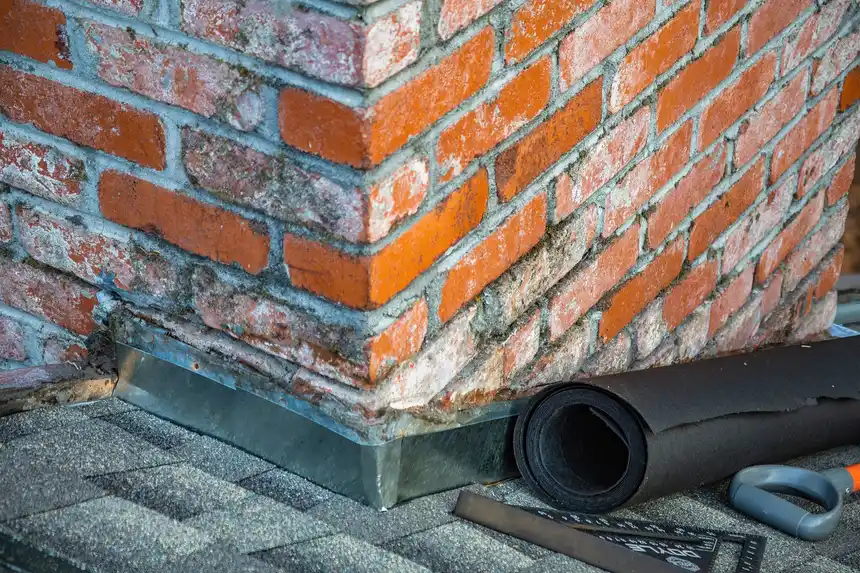
Chimney flashing is the layered metal system that seals the joint where your chimney passes through the roof plane. It is not one piece. It is a set of base flashing, step flashing, counter-flashing, and a cap that work together to shed water. When any layer lifts, cracks, or corrodes, rain finds the gap and travels straight down the chimney chase. Our Chimney Flashing Repair Alhambra CA work rebuilds that whole assembly, not just the visible edge.
Alhambra homes take a beating from sun, Santa Ana winds, and winter rain that arrives in concentrated bursts. Original flashing on older stucco and clay tile roofs dries out, and the sealant cracks. That is when homeowners start searching for chimney flashing fixing near me Alhambra. We see it most after the first heavy storm of the season, when a ceiling stain appears overnight and the chimney chase is wet to the touch.
Chimney flashing fails in layers, so we rebuild every layer, not just the visible edge.
We keep the job simple and predictable. Here is what happens from the first call to the final water test.
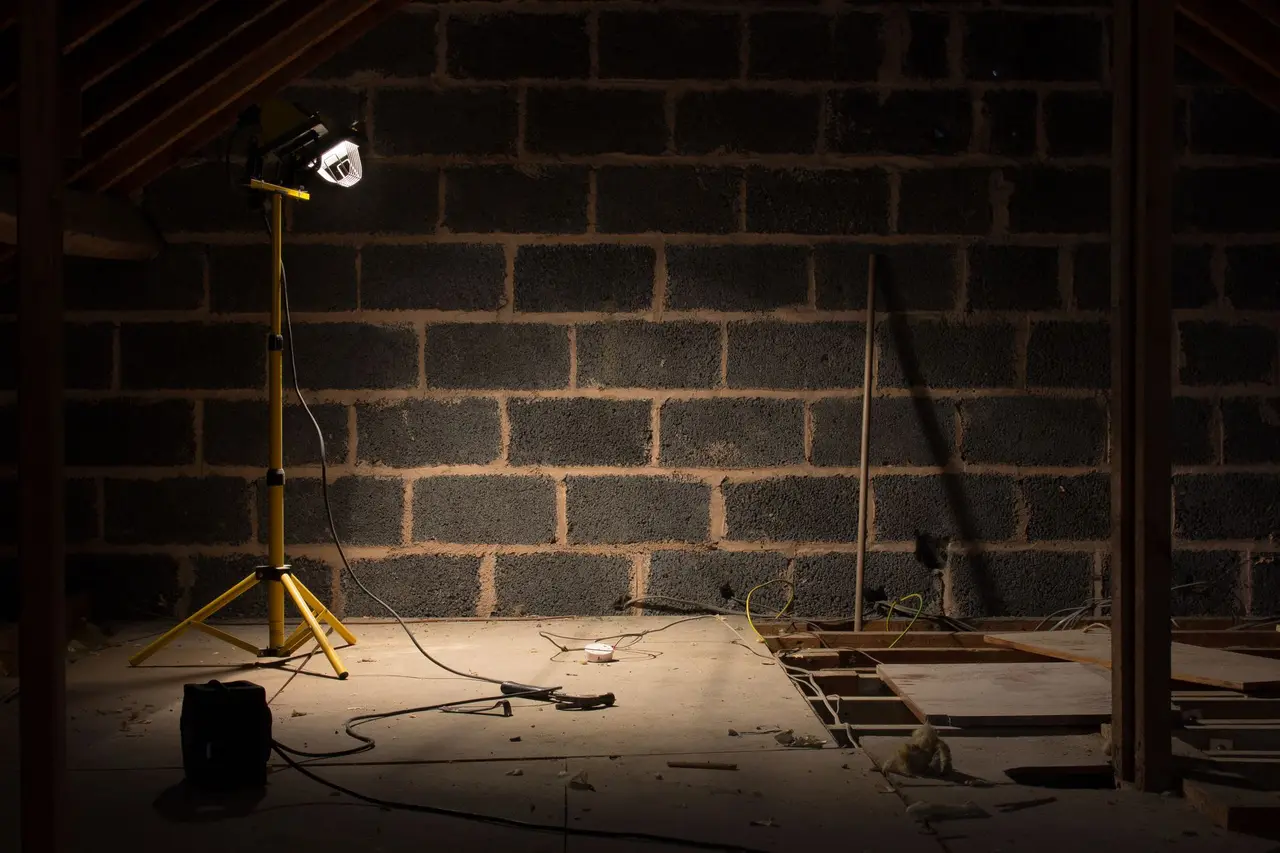
We start on the roof and work down. A moisture meter and infrared thermal imaging camera help us trace where water is actually entering, not just where it shows up. We check the chimney joint, the surrounding shingles or tile, and the attic side of the chase. Most inspections take 30 to 45 minutes and you get a straight answer on what failed.
Once we know what failed, we tell you what it takes to fix it and what it costs. No vague estimates. If the flashing is salvageable with new sealant and a re-set, we say so. If the metal is rusted through and needs full replacement, we say that too. You decide before we start.
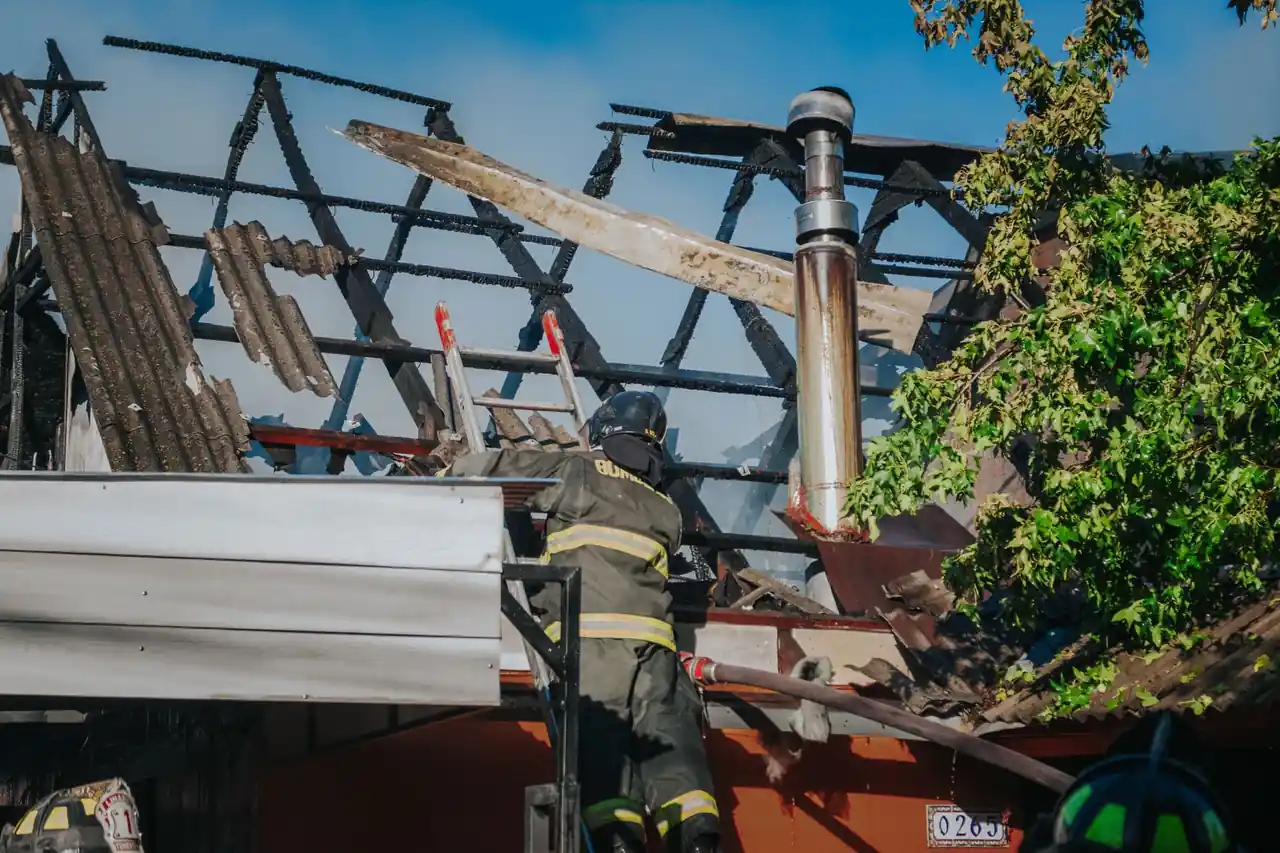
We pull the failed flashing with a pry bar and utility knife, working carefully so we do not crack surrounding tile or tear good shingles. The chimney joint gets cleaned down to sound material. Any rotted sheathing or underlayment we find gets replaced before new flashing goes on.
We cut and fit new metal flashing to the chimney and roof pitch, then set it in layers with roof cement and a quality sealant. Step flashing gets woven into the roof courses, counter-flashing gets set into the masonry joint, and the cap ties it all together. A caulking gun and hammer finish the detail work.

Before we pack up, we run a hose over the chimney joint and watch the attic side for any sign of moisture. If it stays dry, the repair is done. We haul off the old material, sweep the roof, and leave you with a clear picture of what was replaced and how to spot trouble early.
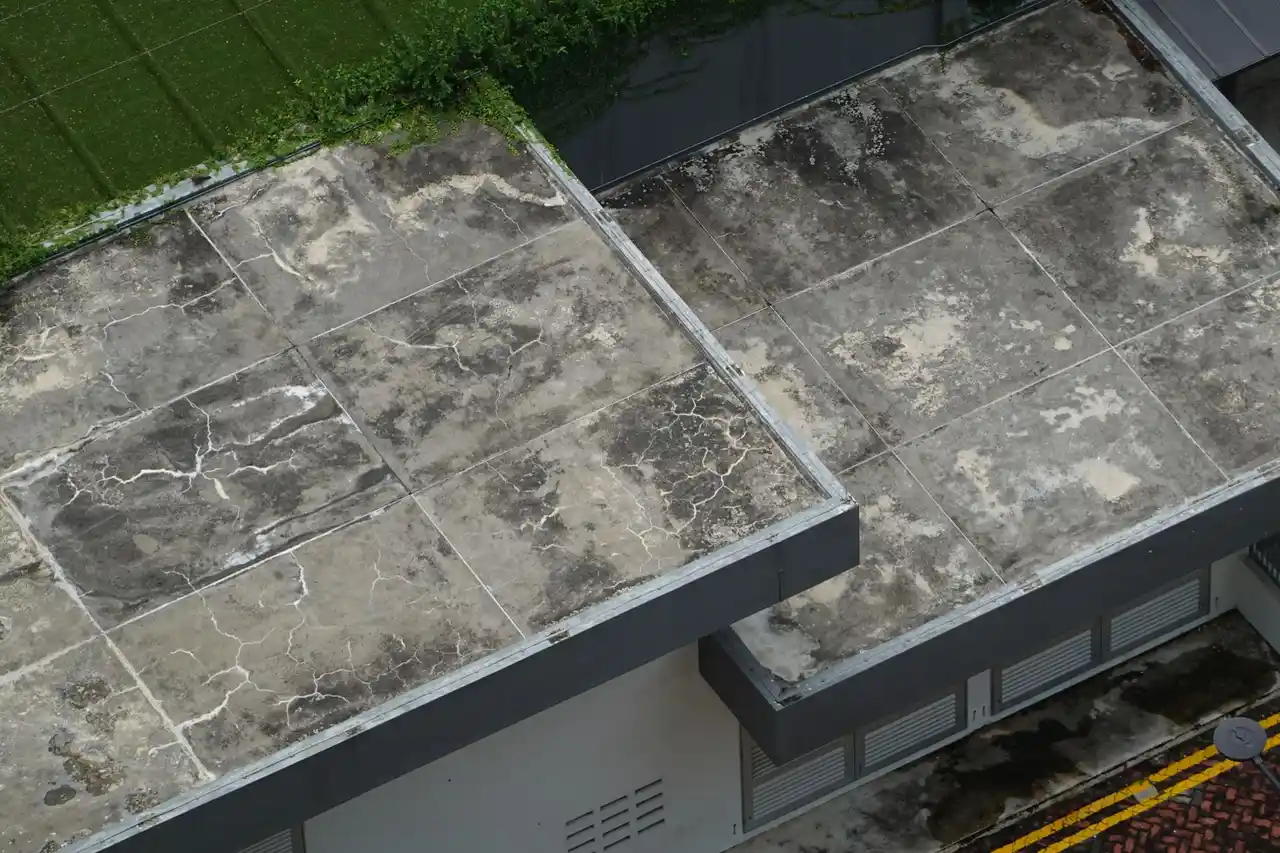
Shows temperature differences that reveal trapped moisture under the roof surface, confirming the leak source before we start work.
Measures water content in sheathing, rafters, and insulation so we know how far the leak has spread and what needs to dry or be replaced.

Lets us access steep and tile roofs safely without putting weight on fragile material or damaging the roof surface.
Used to lift old flashing and surrounding roof material carefully, so we can remove failed metal without cracking tile or tearing shingles.
For setting new flashing, sealing edges, and finishing the detail work that keeps the joint watertight.
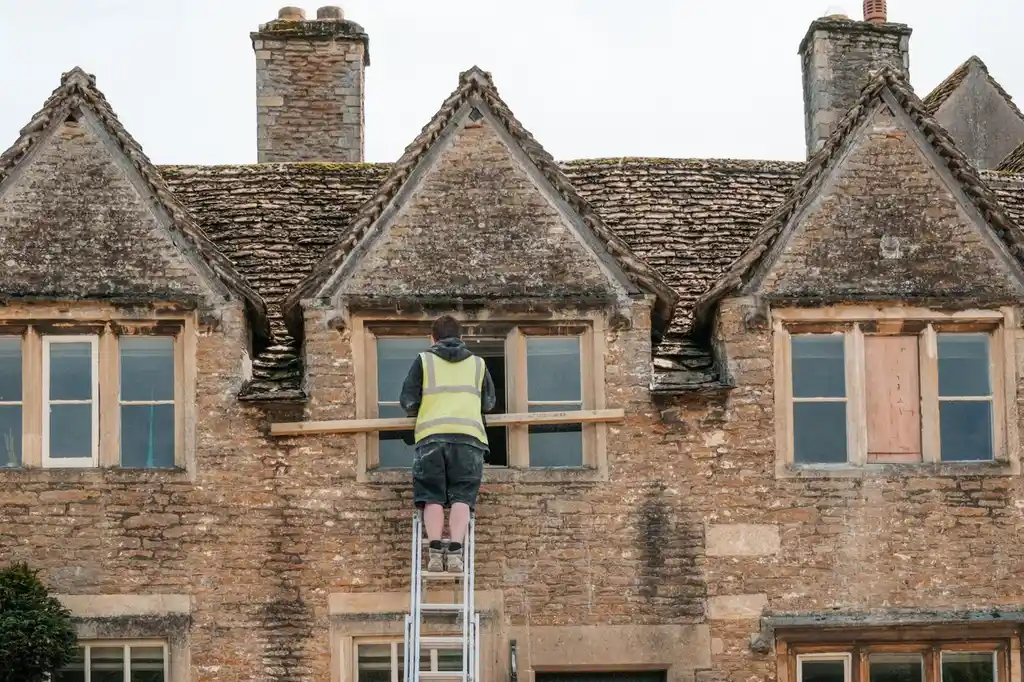
Used for the final water test. We run water over the repaired joint and watch the attic side to confirm the fix holds.
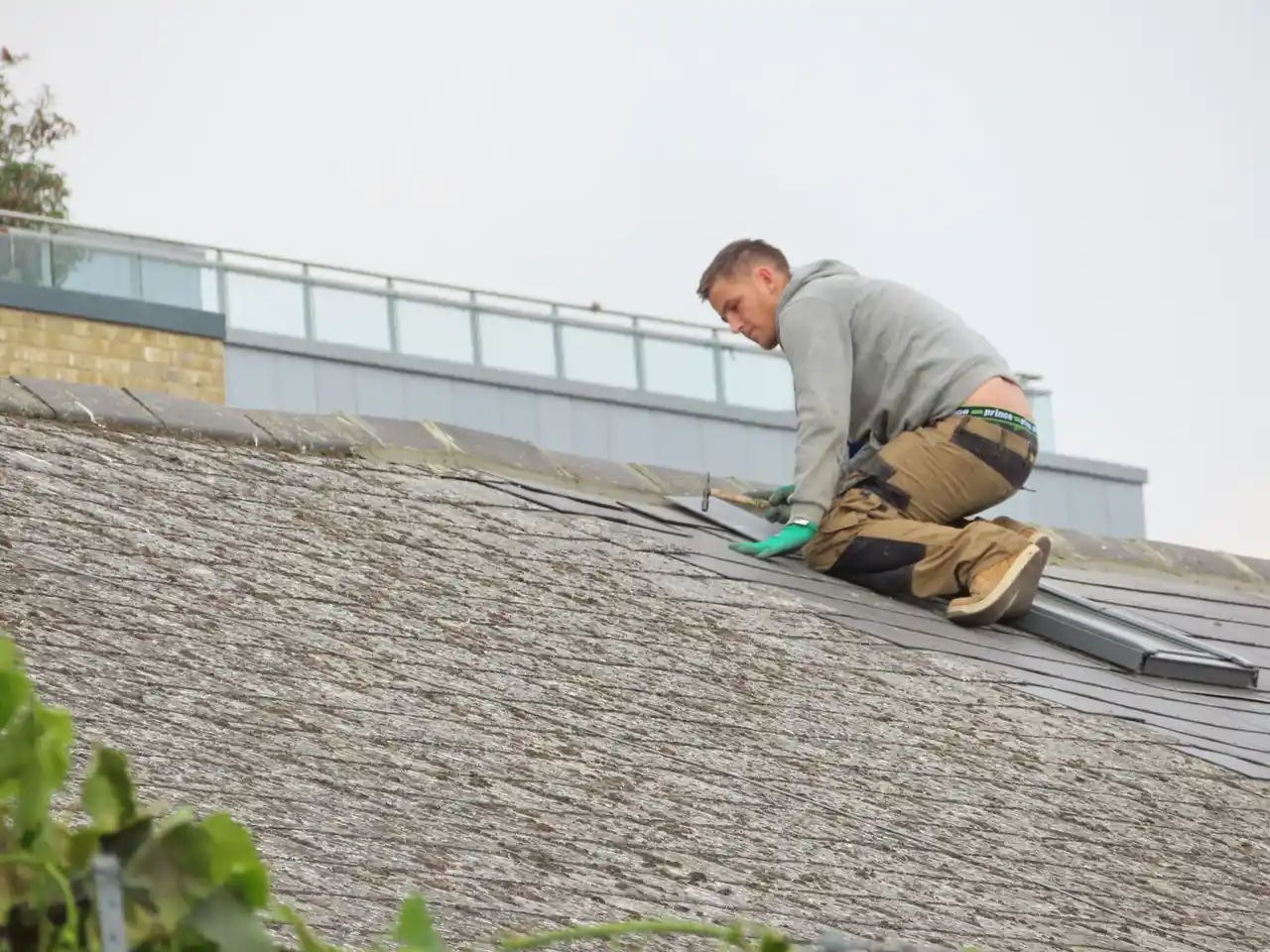
Base, step, and counter-flashing get installed in the correct order so each layer sheds water to the one below it. Skipping a layer is the most common reason flashing repairs fail within a season.
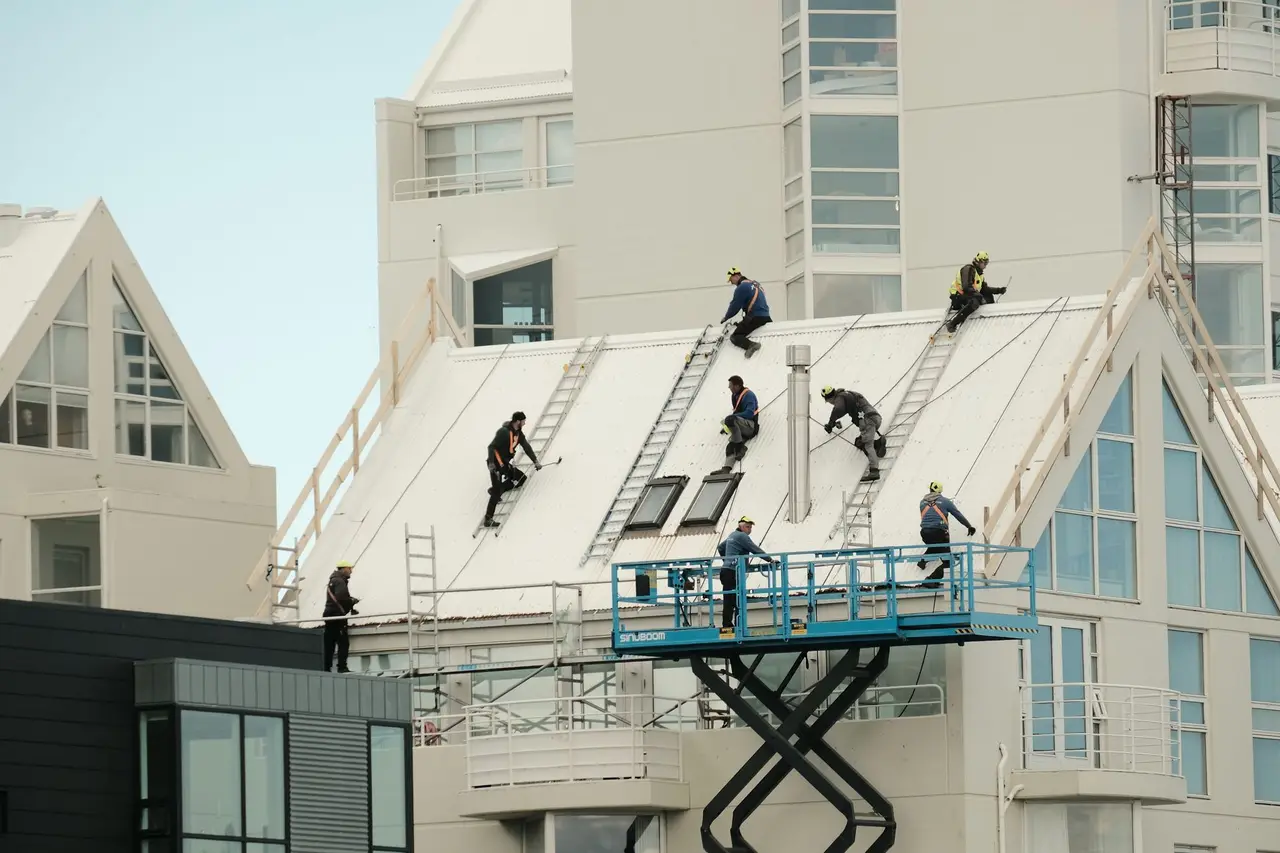
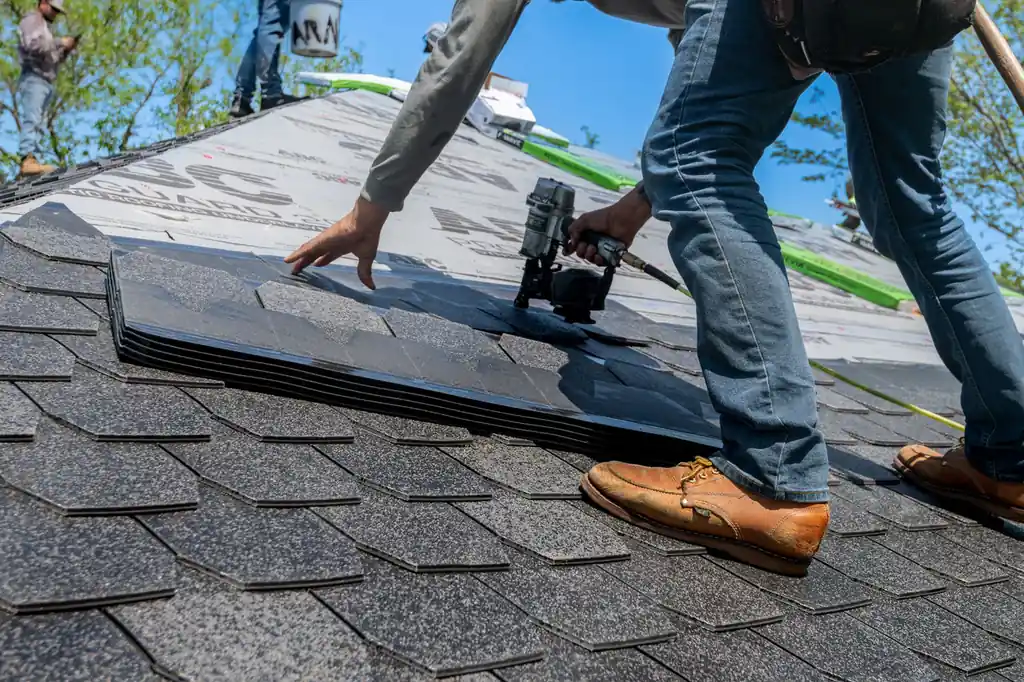
When we replace flashing on a shingled roof, we use materials compatible with the existing GAF or Owens Corning system so the repair ties in cleanly and does not void roof coverage.
We inspect the chimney joint and surrounding roof, confirm the flashing failure, and rebuild the flashing layers. Most repairs are done in a single visit. The leak stops, the stain stops growing, and you avoid interior drywall and insulation repairs.
We inspect the flashing, replace any rusted or lifted metal, and re-seal the joint. If the flashing is still sound, we tell you and leave it alone. You head into the rainy season knowing the chimney joint is sealed and the roof is ready.
We respond the same day, tarp the chimney area to stop water intrusion, and schedule the permanent flashing repair as soon as conditions allow. Water intrusion stops immediately, your interior is protected, and the permanent fix gets done right after the weather clears.
We repair the flashing, document what was replaced, and provide a clear summary you can hand to the buyer or their agent. The defect is resolved, the paperwork is clean, and the sale moves forward without a renegotiation over the chimney.
Alhambra sits in the San Gabriel Valley, where summers are hot and dry and winter rain arrives in concentrated storms. That cycle is hard on chimney flashing. The heat dries out sealant, then the first heavy rain finds every crack. Many Alhambra homes were built mid-century with clay tile or asphalt shingle roofs, and the original flashing on those roofs is now well past its service life. When we do Chimney Flashing Repair in Alhambra, California, we account for the roof type, the pitch, and how the chimney was originally tied in. We also work around the fact that many homes here have stucco chimneys, which need a different counter-flashing detail than brick. If you are searching for affordable Chimney Flashing Repair Alhambra CA, call us and we will give you a straight price after inspecting the roof.
A 1960s Alhambra home had rusted counter-flashing pulling away from the chimney. Every rain sent water down the chase and into the attic. The homeowner had a growing ceiling stain and wet insulation.
We removed the rusted metal, replaced the base and step flashing, and set new counter-flashing into the masonry. A water test confirmed the joint was dry. The ceiling stain stopped growing within a week.
Check the flashing sealant each fall before the rainy season. A quick visual inspection from the roof or with binoculars can catch early cracking before it becomes a leak.
A San Gabriel home with clay tile had cracked sealant around the chimney base. Water was seeping in slowly, showing up as damp attic insulation rather than an obvious ceiling leak. It had been going on for months.
We lifted the tiles carefully, replaced the failed flashing underneath, re-sealed the joint, and re-set every tile without a single crack. The attic dried out and the moisture meter read normal at the follow-up.
Have the flashing inspected every two to three years on tile roofs. Tile hides slow leaks well, so a moisture check in the attic is worth doing annually.
A winter storm opened up an active leak at the chimney on a Monterey Park property. Water was coming into the attic and threatening the ceiling below. The tenant reported it that morning.
We tarped the chimney area the same day to stop water intrusion, then returned two days later to rebuild the flashing. The permanent repair passed a water test, and no interior damage occurred.
After any major storm, check the attic for damp spots and look at the chimney joint from the ground. Catching a problem early avoids emergency calls.
Chimney leaks show up in different ways depending on the roof and the age of the flashing. Here are the problems we see most often and how we fix them.
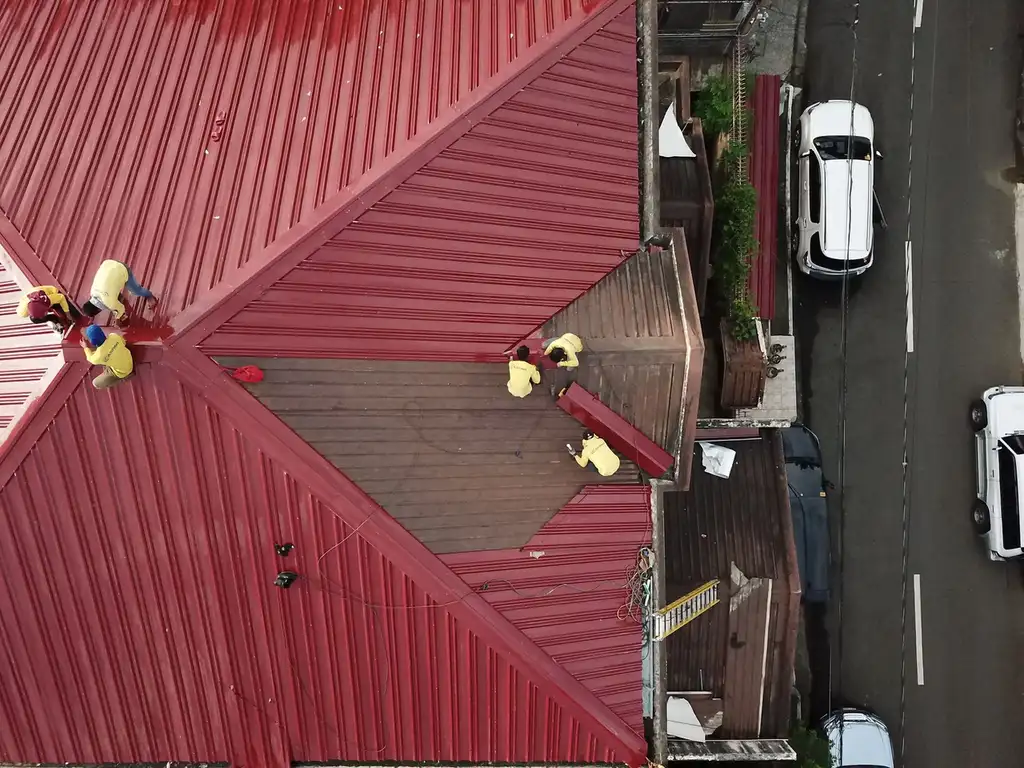
We trace the stain back to the chimney joint, confirm the flashing failure with a moisture meter, and rebuild the flashing so water sheds away from the chase. The stain stops growing and the attic dries out. Water is already soaking the sheathing and insulation above the ceiling. Left alone, it spreads into the drywall and can reach the framing.
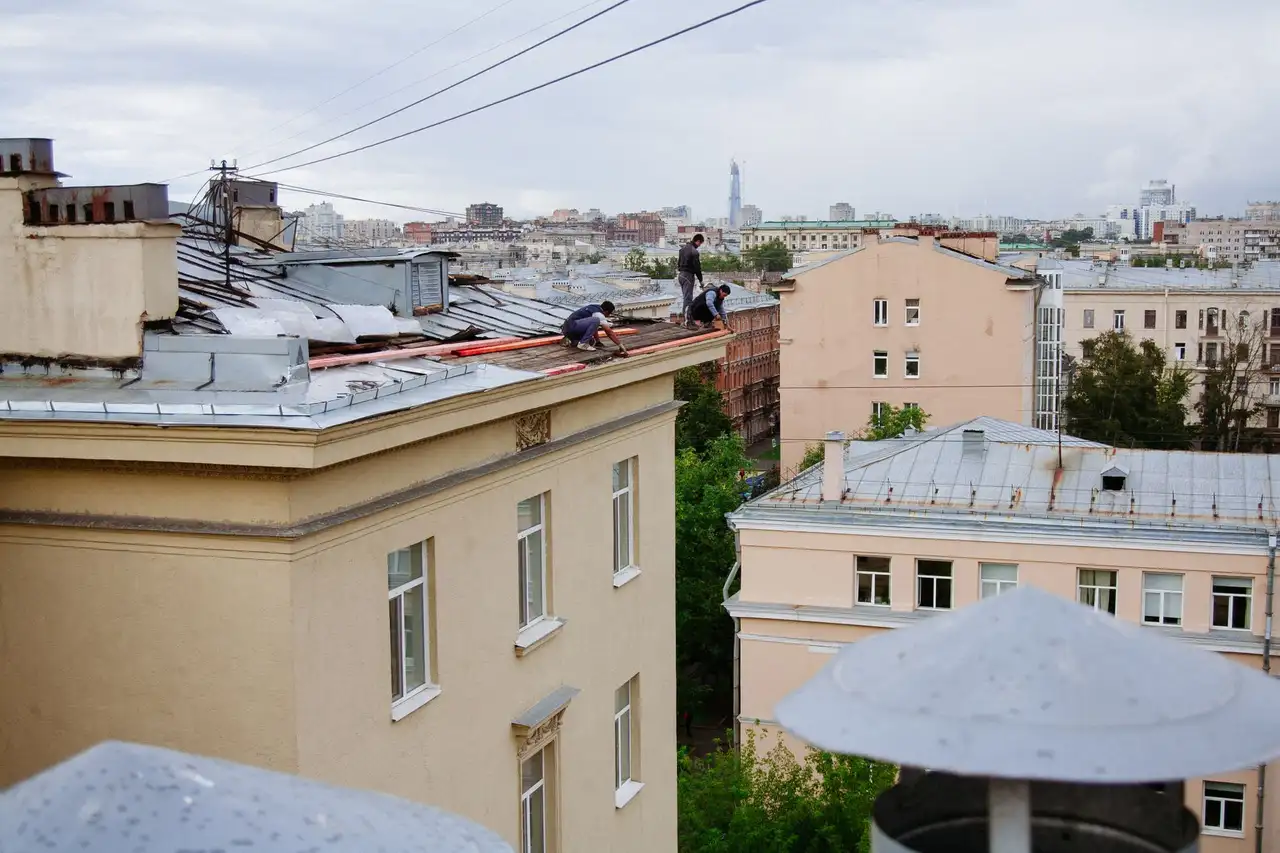
We remove the failed counter-flashing, clean the masonry joint, and set new metal with proper sealant. The joint gets re-sealed and tied back into the step flashing so the whole system works together. Once counter-flashing pulls away from the brick or stucco, water runs straight down the chimney chase and into the attic. The gap only widens with wind and heat.
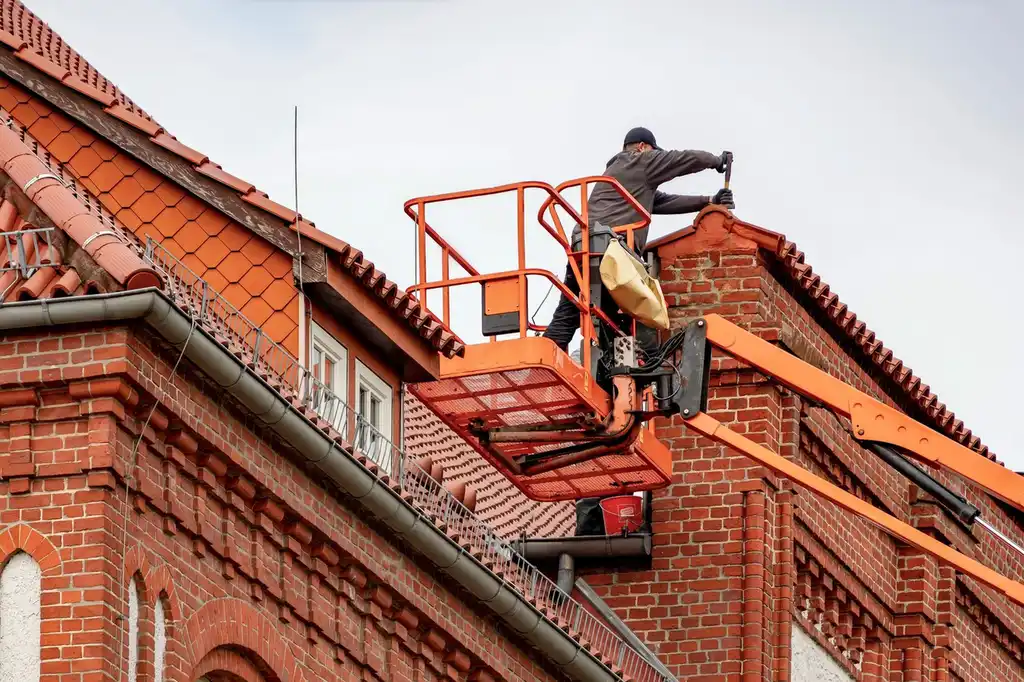
We strip the old sealant, check the flashing underneath for damage, and re-seal with a product rated for roof exposure. If the metal is compromised, we replace it rather than seal over a bad layer. Dried-out sealant looks minor but lets water behind the flashing. It is the most common cause of slow chimney leaks that go unnoticed for months.
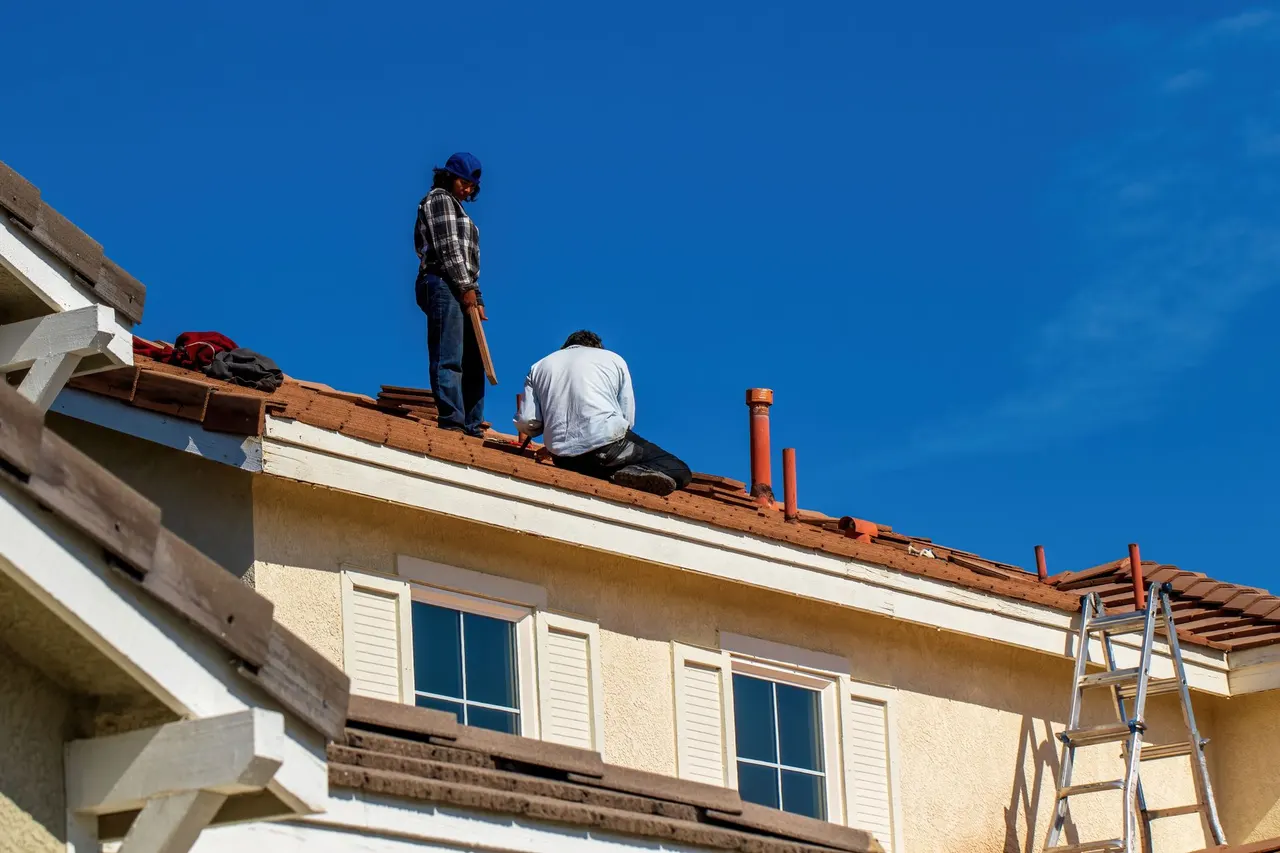
We inspect from the attic side to confirm the chimney is the source, then repair the flashing at the roof. We also flag any insulation or sheathing that needs to be replaced so the attic dries properly. Wet insulation loses its R-value and can grow mold. By the time you smell it, the damage has been building for a while.
Most chimney leaks we open up trace back to failed flashing, not the masonry itself. We rebuild the base, step, and counter-flashing so water sheds off the roof instead of running down the chase. That means no more ceiling stains, no more wet insulation, and no more guessing where the water is coming from.
Water that slips past flashing soaks the sheathing, rafters, and attic insulation before you ever see a stain. By the time a brown ring shows on your ceiling, the wood behind it has been wet for weeks. Fixing the flashing early keeps that damage from spreading into the structure.
We fabricate flashing to fit your roof type, whether that is clay tile, asphalt shingles, or a flat modified bitumen section. New metal gets matched to the surrounding roof so the repair blends in. You get a watertight joint that looks like it belongs there, not a patch slapped over the old edge.
A sealed chimney joint keeps water out of the masonry, which slows spalling and freeze-thaw damage on brick and stucco. It also protects the roof deck around the penetration. One repair protects two of the most expensive systems on your house at the same time.
Clear records you can keep and share.
A plain summary of what failed and what we replaced
Confirmation the repaired joint stays dry
What to watch for on the rest of the roof
Chimney flashing is not one piece of metal. It is a layered system, and every layer has a job. Understanding that helps you ask the right questions when you get a repair quote.
Base, step, and counter-flashing each shed water to the layer below. If a roofer only seals the visible edge, water still gets behind the metal.
Sealant protects the flashing, but it cannot replace missing or rusted metal. A repair that is all sealant will fail within a season or two.
Tile and slate require lifting and re-setting surrounding material. Shingle roofs are faster. The roof type affects both the method and the price.

Not sure if we cover your area? Call and ask. (626) 640-8498
Most chimney flashing repairs in Alhambra run $350 to $1,200 depending on roof type and how much flashing needs replacing. A simple re-seal and re-set on a shingle roof sits at the low end. Full flashing replacement on clay tile or slate, where surrounding material has to be carefully lifted and re-set, runs higher. We give you the number before we start, so there are no surprises.
The most common cause is failed sealant and lifted counter-flashing where the metal meets the masonry. Sun and heat dry out the sealant, then wind and rain work the metal loose. On older Alhambra homes, rusted-through base flashing is also common. Once water gets behind the metal, it runs down the chimney chase and shows up as a ceiling stain or damp attic insulation.
Roof Repair Alhambra Pros handles chimney flashing fixing in Alhambra and the surrounding San Gabriel Valley. We work on clay tile, asphalt shingle, slate, and flat modified bitumen roofs. Call (626) 640-8498 and we will schedule an inspection, usually within a day or two, and often the same day for active leaks.
A standard chimney flashing repair takes two to four hours on a shingle roof. Tile and slate roofs take longer, often a full day, because surrounding material has to be lifted and re-set without cracking. If we find rotted sheathing or underlayment under the flashing, that adds time. We tell you the expected window before we start.
A leaking chimney gets worse with every storm. Call (626) 640-8498 and we will inspect the flashing, give you a straight price, and stop the water before it reaches your ceiling. Same-day and emergency service available across Alhambra and Los Angeles County.
Call us at (626) 640-8498 or email [email protected]. We answer the phone during business hours and respond to emergency calls after hours. Same-day estimates are available for most jobs in Alhambra and surrounding areas.