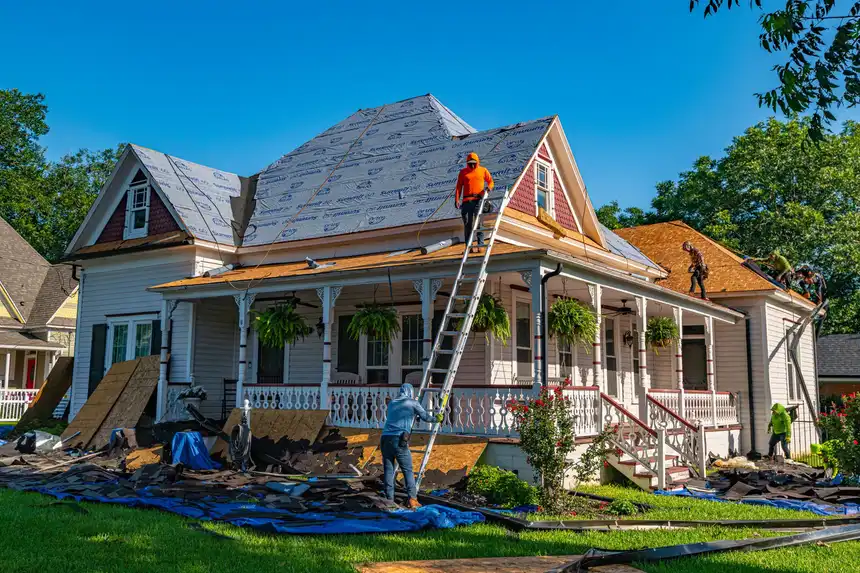
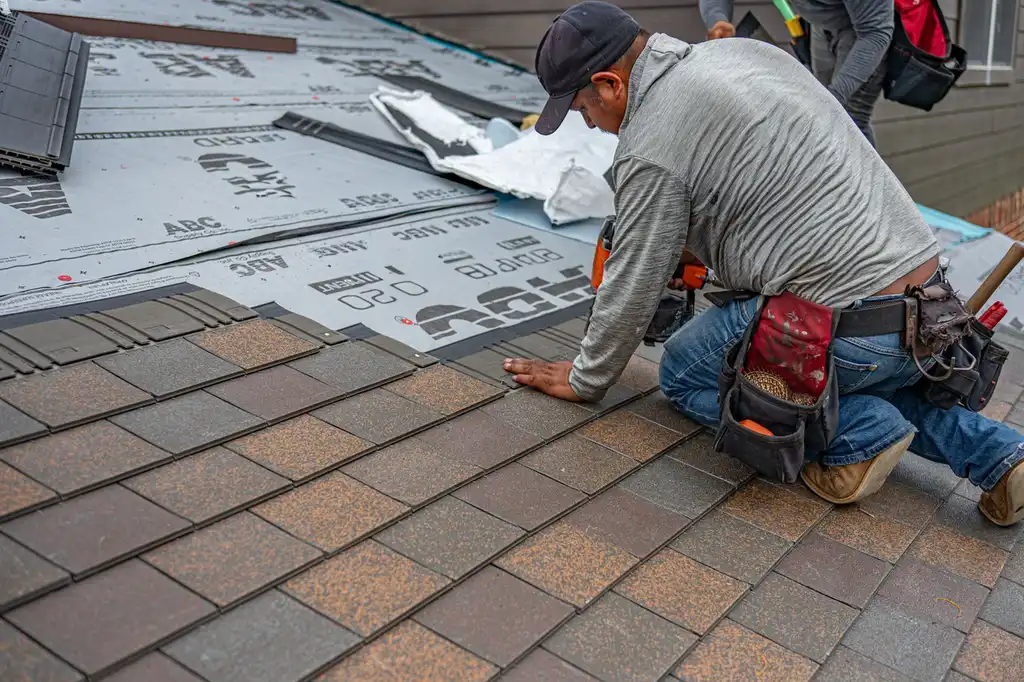
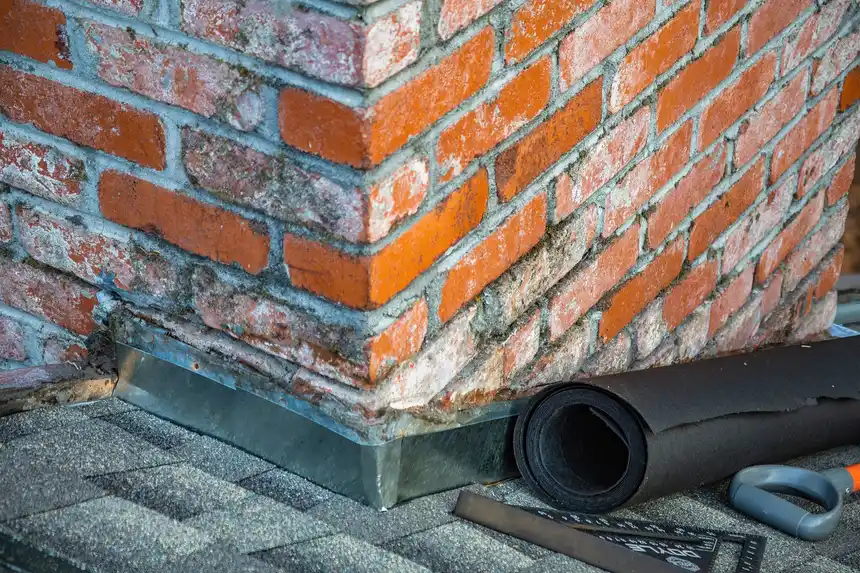
Repair photos
Before and after images of the failed seam.
Roof Seam Leak Repair Alhambra CA starts with finding the exact seam that is letting water in. We handle roof seam leak fixing Alhambra homeowners call about after a storm, a ceiling stain, or a drip that shows up every time it rains. We test the repair before we leave, so the next storm tells you nothing new.
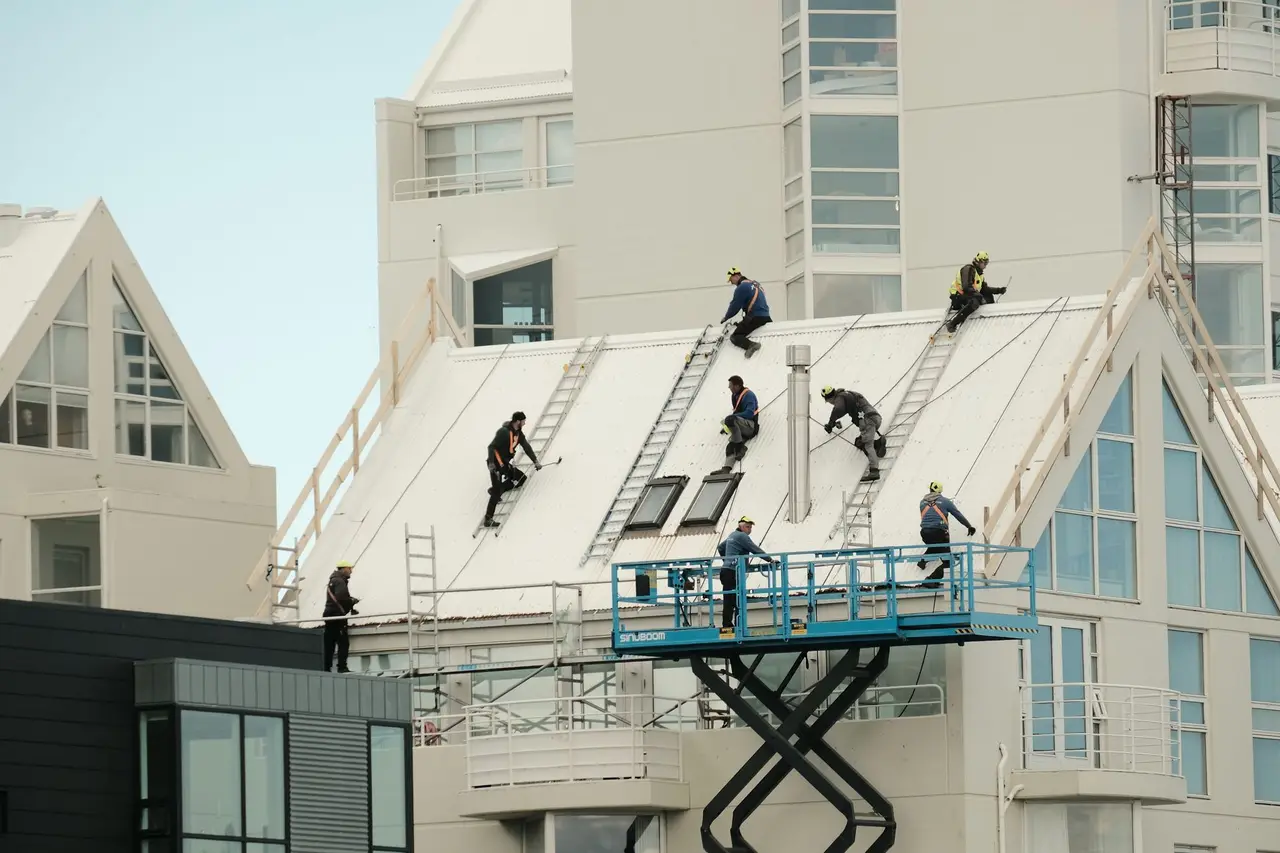
Every seam repair includes the inspection, the repair itself, and the test that proves it holds. Here is what is covered in a standard visit, and what we price separately when the roof needs more than seam work.
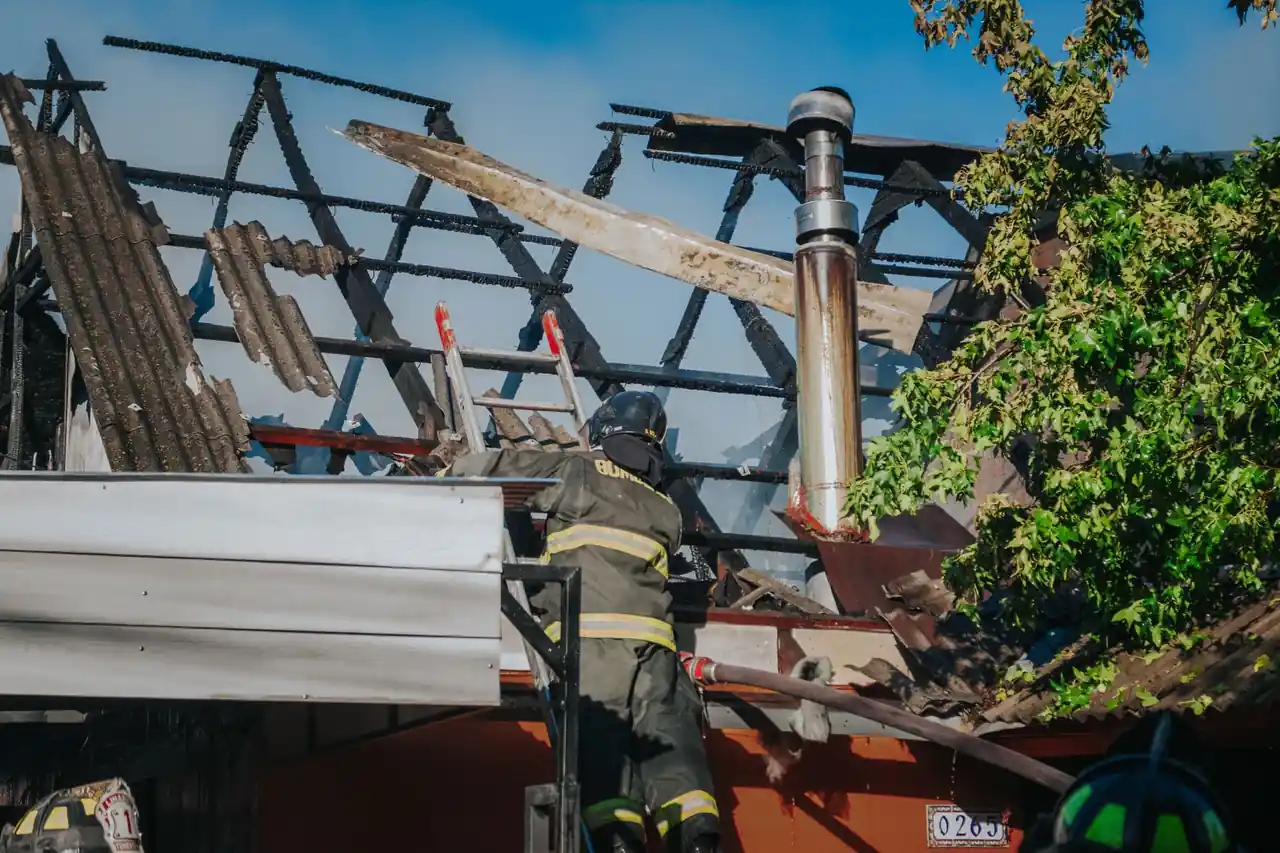
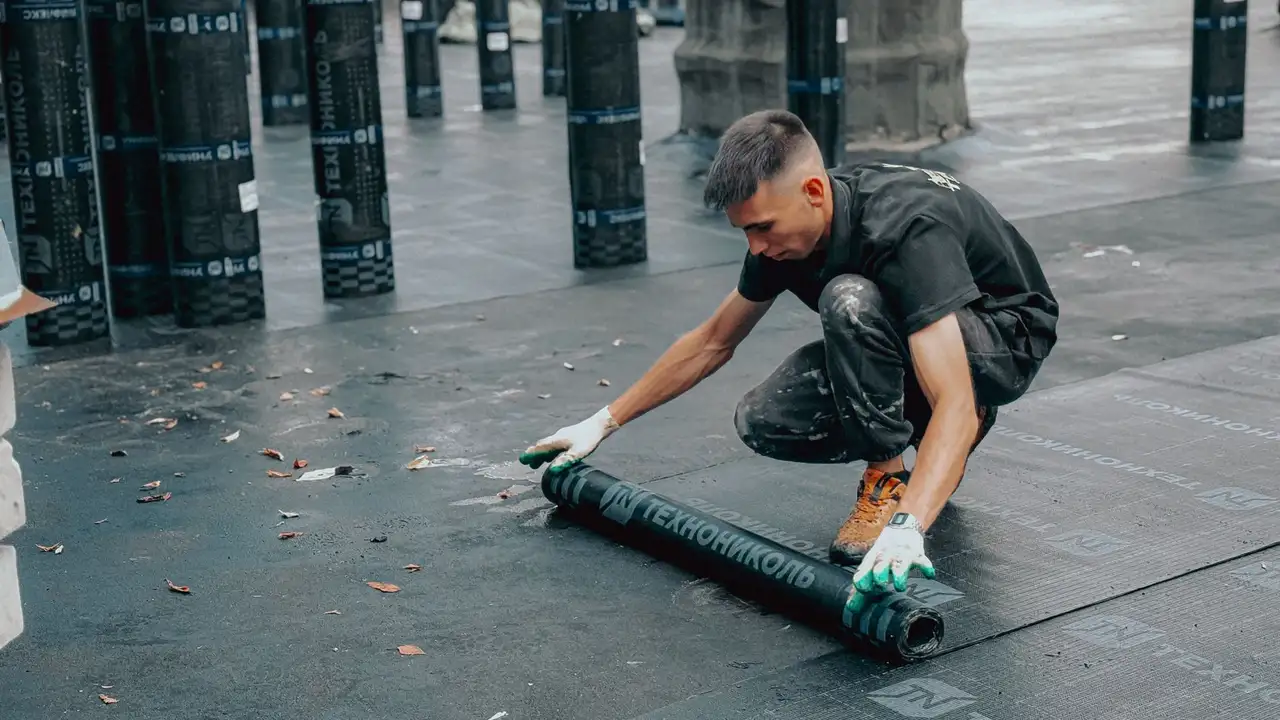
We repair failed seams on home roofs across Alhambra, from metal panel laps to flat roof membrane joints. You get the source found, the seam rebuilt, and the repair tested before we leave.
We repair membrane and metal seams on commercial roofs in Alhambra without shutting down your operation. Work is scheduled around tenant hours, and active leaks get tarped the same day.
Roof Seam Leak Repair Alhambra CA is the work of sealing the joints where two roof surfaces meet or overlap: metal panel laps, TPO and EPDM membrane seams, modified bitumen overlaps, and the tarred joints on older flat roofs. Seams fail before the field of the roof does. Heat pulls the sealant open, water sits in the gap, and the next rain pushes it through the underlayment and into your attic. We open the seam, clean it, and rebuild it with the right material for that roof.
Alhambra roofs take a specific beating. Summer afternoons push surface temperatures past 140 degrees, then November and December rain arrives in concentrated bursts. That cycle opens seams on metal panels, TPO membrane, and modified bitumen year after year. If you have been searching roof seam leak fixing near me Alhambra after a ceiling stain appeared, the seam is usually the first place we look, ahead of shingles and flashing.
A seam leak is a joint failure, so we repair the joint, not the stain.
Every seam repair follows the same five steps. You get a clear scope before we start, and a tested repair before we pack up. Most residential seam jobs finish in two to four hours.
We ask when the drip starts, which storm direction brings it, and where the ceiling stain sits. That conversation narrows the search to two or three seams before anyone climbs a ladder. It takes about 10 minutes and saves an hour of guessing.

We walk the roof with a roof ladder, then check the attic with a moisture meter and an infrared thermal imaging camera. The camera reads temperature differences, so a wet seam shows up as a cold patch even when the surface looks dry. We photograph what we find.
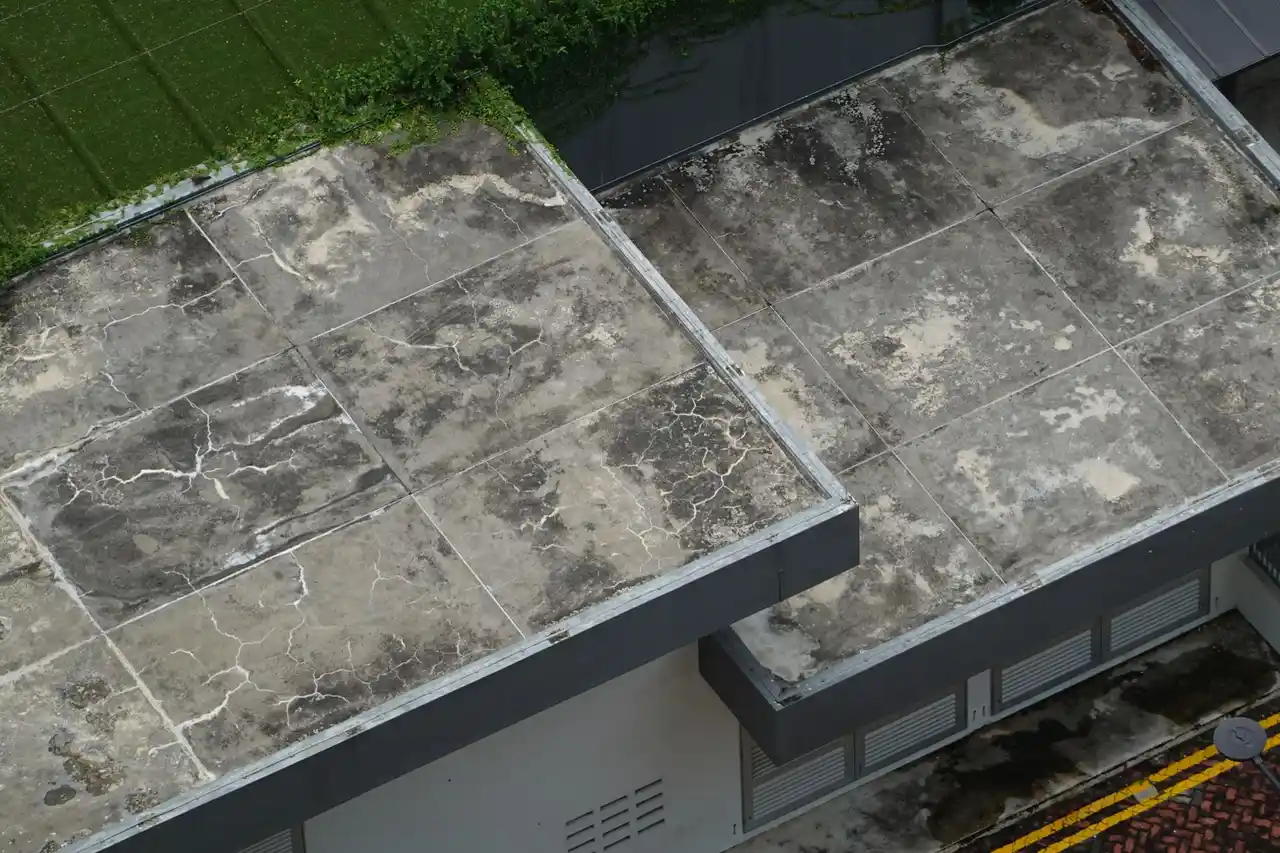
We open the failed seam with a pry bar and utility knife, scrape out old sealant, and clean the substrate. Then we rebuild it: primer and seam tape on TPO membrane, roof cement and fabric on modified bitumen, or a new lap seal on metal panels. A caulking gun and hammer finish the detail work.
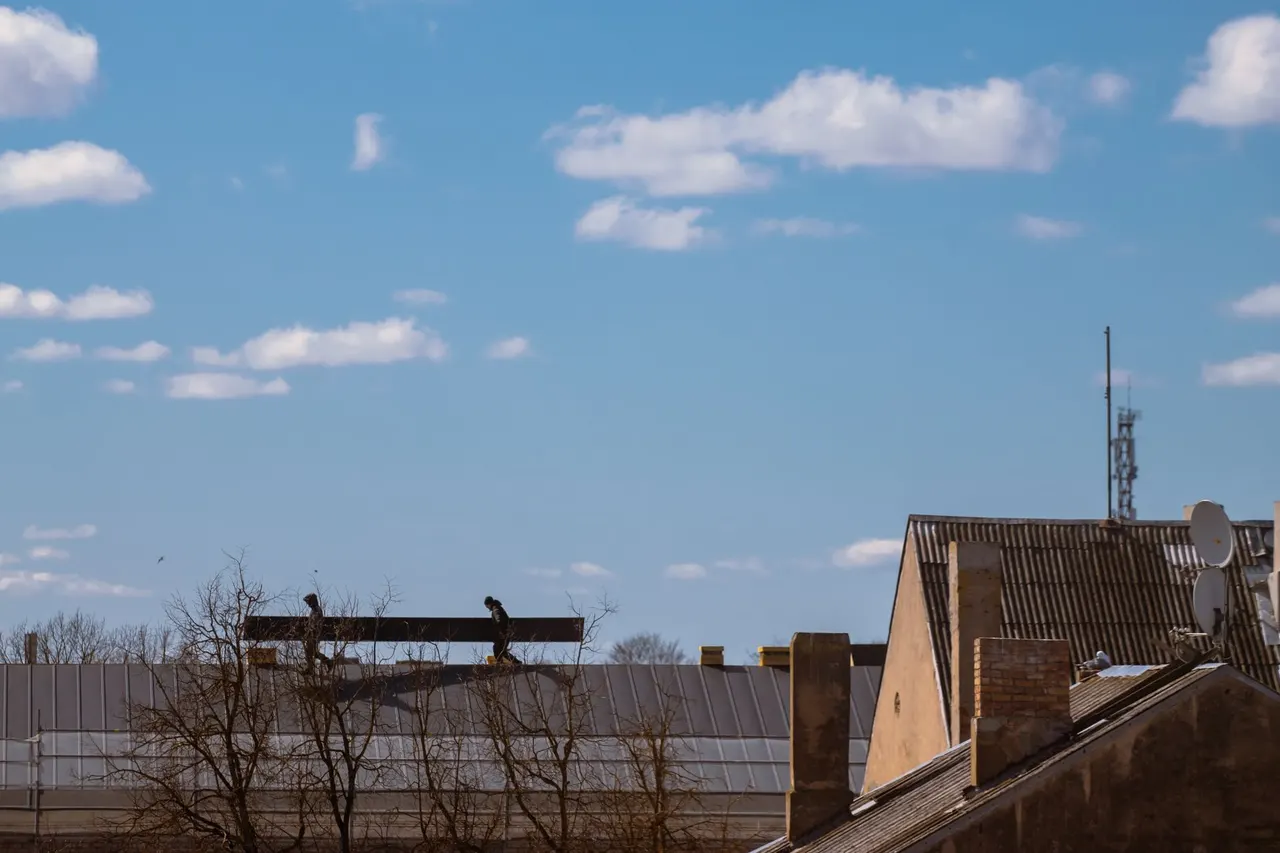
We run water over the repaired seam for several minutes while a second person watches from inside. If the seam holds dry, we move to cleanup. If it does not, we keep working until it does. No repair gets signed off untested.

You get photos of the failed seam and the finished repair, plus the material used and the date. If we found a second seam that is close to failing, we tell you then, so you can plan the next repair instead of discovering it during a storm.
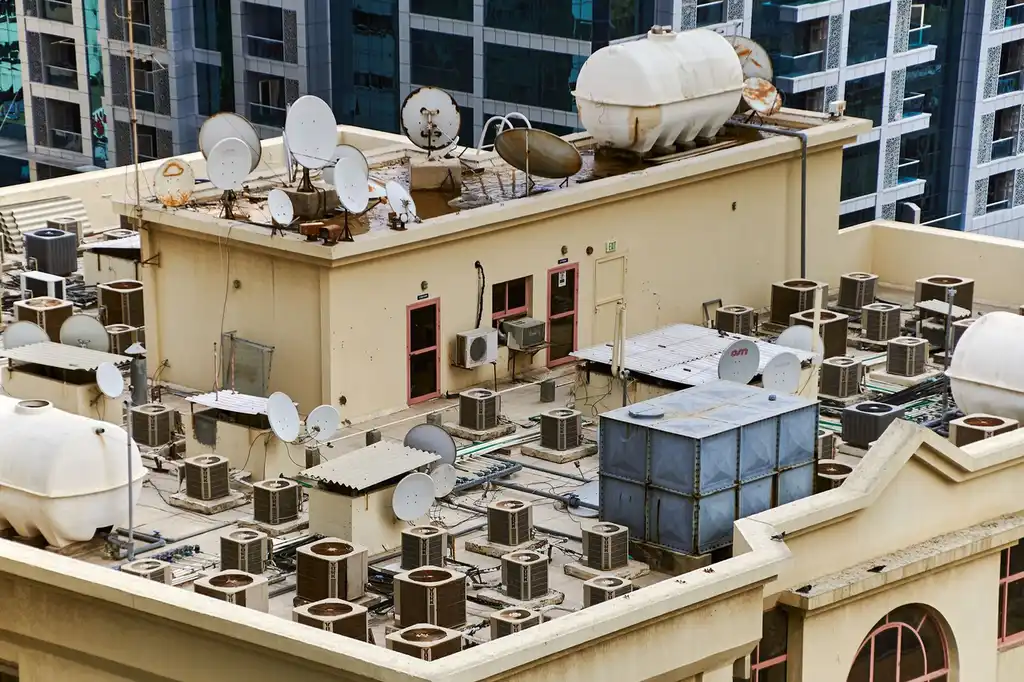
Reads temperature differences on the roof surface to locate wet seams and hidden moisture without opening the roof.
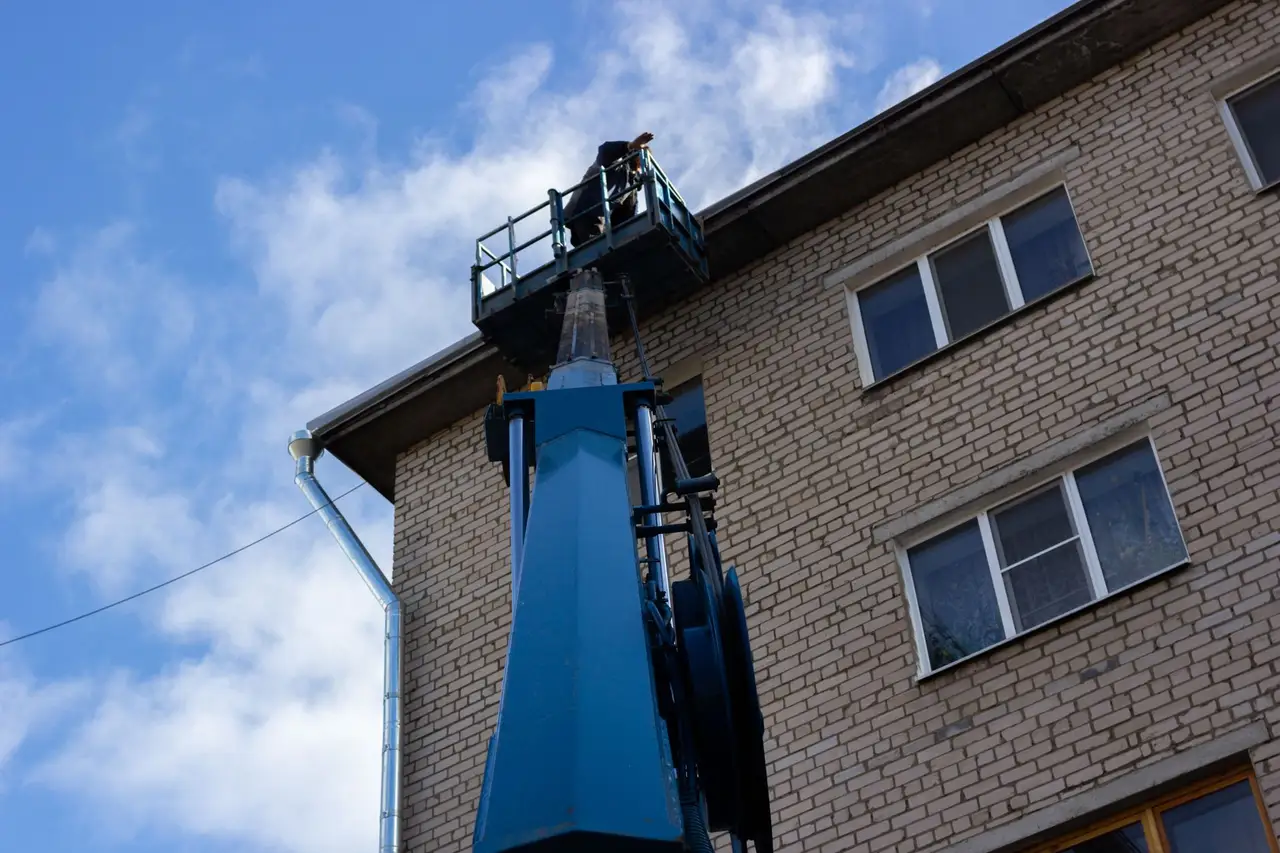
Confirms moisture readings in sheathing, insulation, and drywall so we know the extent of the water damage.
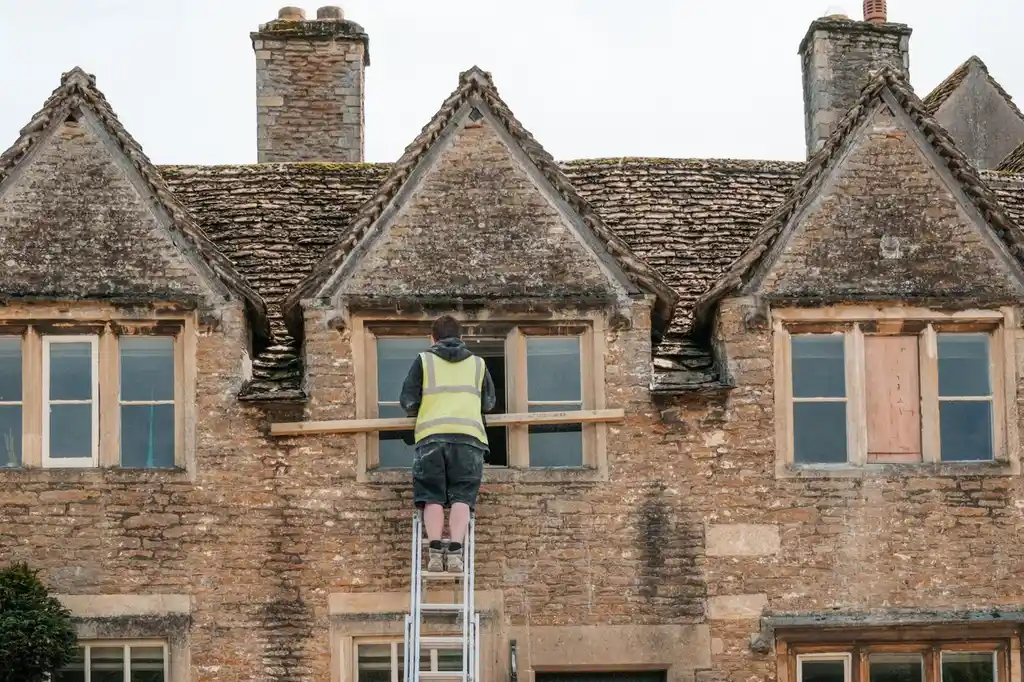
Provides stable, safe access to steep and flat roof sections without damaging shingles or membrane.
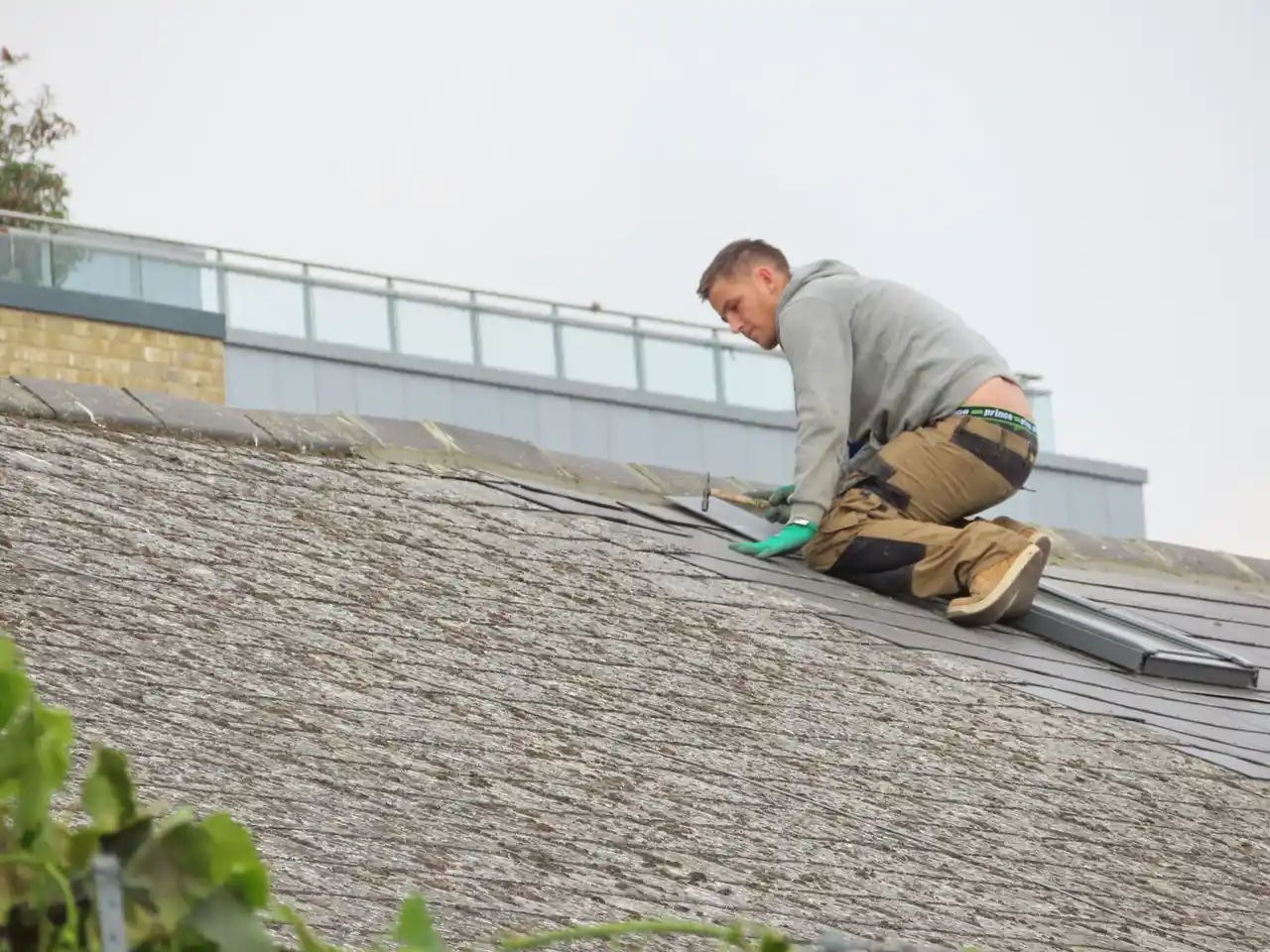
Opens failed seams and cuts out damaged membrane or sealant cleanly so the new material bonds properly.
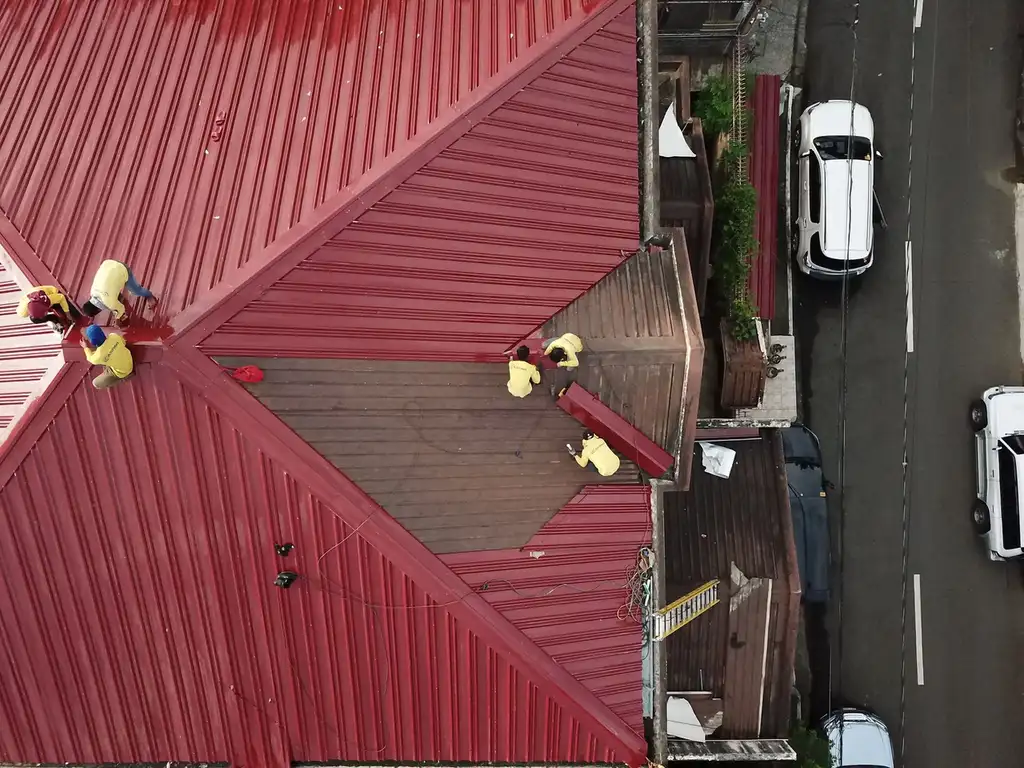
Applies sealant in controlled beads along seams, flashing edges, and penetration collars.
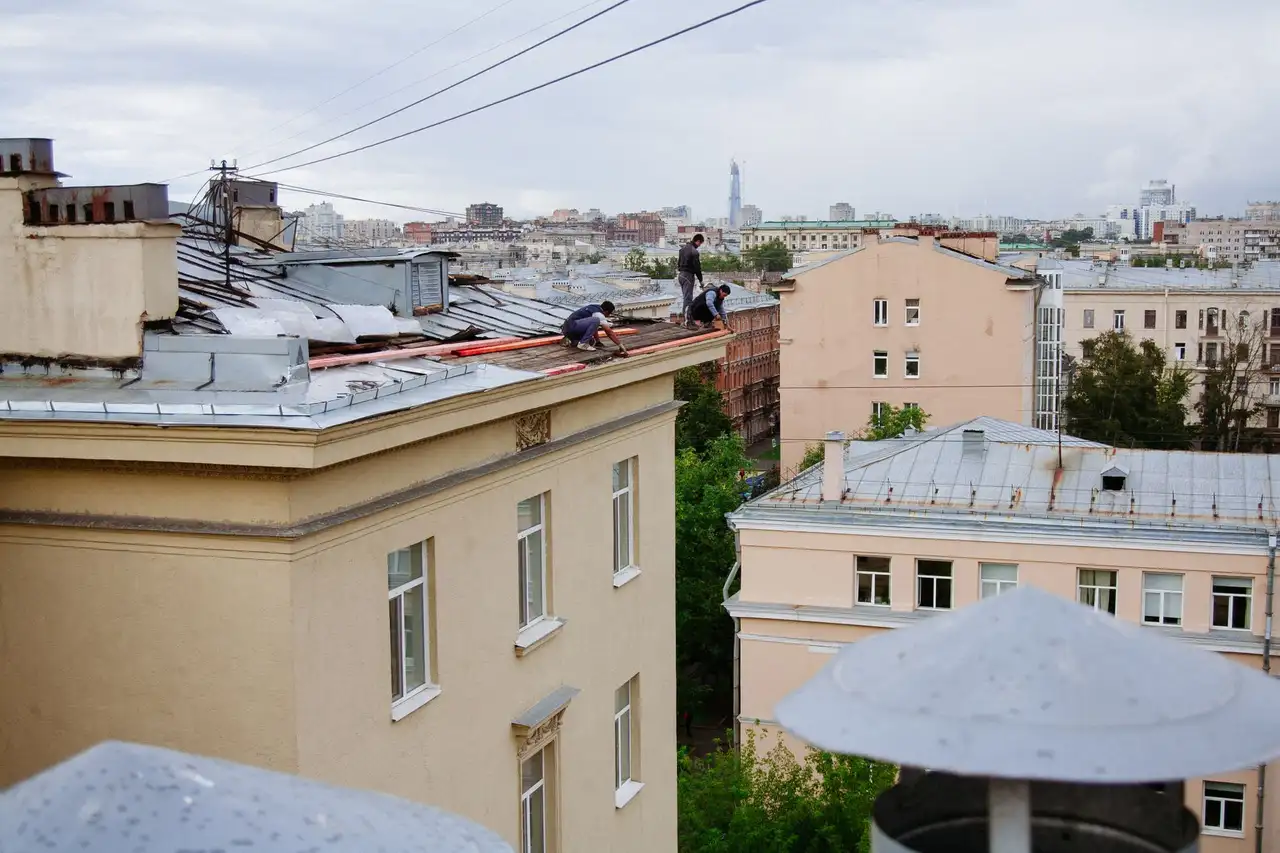
Runs the water test over the repaired seam to verify the repair holds before we leave the site.
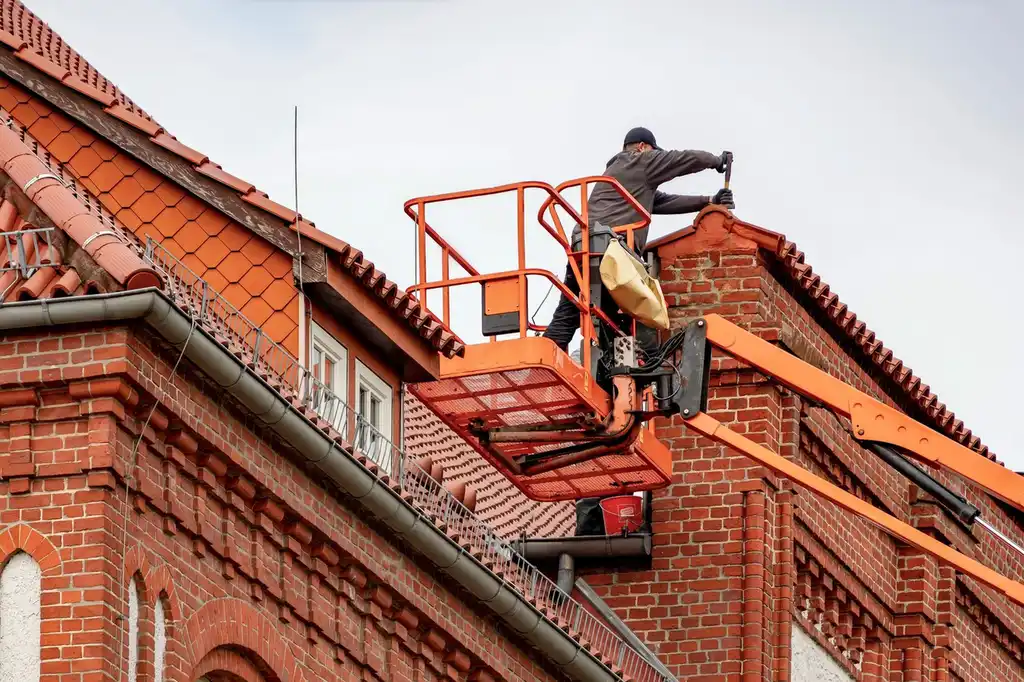
Covers active leaks during rain so water stops entering while we wait for dry conditions to make the permanent repair.
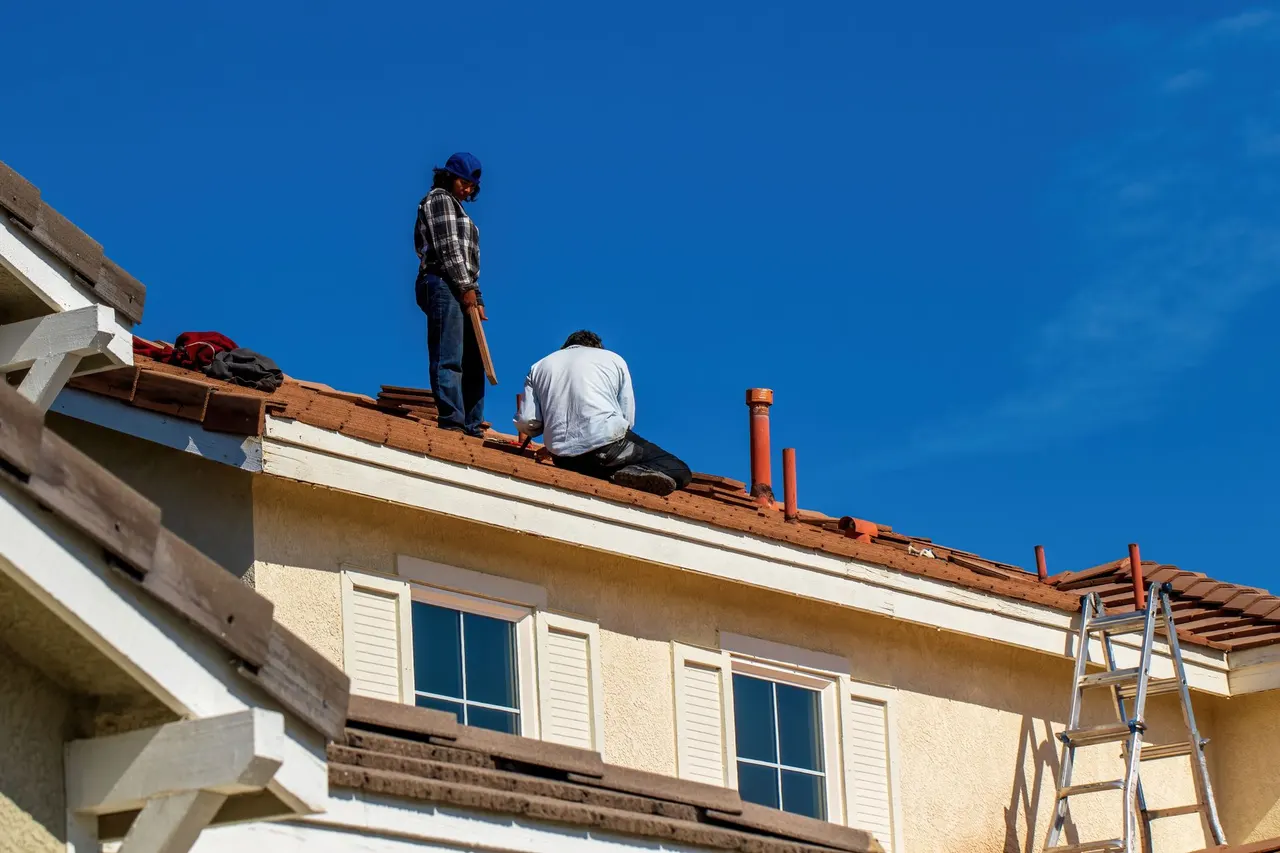
We scan the roof surface with an infrared thermal imaging camera to find wet areas that are not visible to the eye. Wet seams read colder than dry ones, which narrows the search to a specific joint before we open anything.
We inspect the roof and attic with moisture detection tools, trace the water path, and identify the seam that is leaking. Most of these turn out to be a single failed joint, not widespread roof failure. One seam repaired, ceiling stain addressed, and no more water entering during the next storm.
We tarp the area the same day if the leak is active, then return to repair the membrane seam once the roof is dry. Work is scheduled around tenant hours to avoid disruption. Tenant stays open, the seam is repaired with matching membrane, and the leak stops.
We clean the lap, replace any failed fasteners, and reseal the joint with a metal-rated lap sealant. On standing seam panels we use a clamp and butyl tape system instead of surface sealant. The lap is sealed, the fasteners are secure, and the joint handles thermal movement without reopening.
We inspect the previous repair and the surrounding seams. Repeat leaks usually mean the original repair addressed the symptom, not the seam that was actually failing. The real source is identified and repaired, and the repeat leak stops.
Alhambra sits in a heat pocket that pushes roof surface temperatures past 140 degrees on summer afternoons, then swings into concentrated winter rain from November through March. That cycle is hard on seams. Metal panels expand and contract, TPO and modified bitumen membranes soften and stiffen, and the lap joints take the stress. The housing stock adds its own complications. Older homes near Main Street and Chapel Avenue often have original flat roof sections with built-up or modified bitumen seams that have been patched multiple times. Newer construction and commercial buildings along Valley Boulevard use TPO and EPDM membrane, where heat-welded seams are the failure point. We work with both. When you call for roof seam leak fixing near me open now Alhambra, we ask about the roof type first, because the repair method changes completely between a metal panel lap and a TPO membrane seam.
A homeowner in the 91801 ZIP code had a ceiling stain that appeared after the first December storm. The roof looked intact from the ground. Inspection found an open lap seam on a metal panel section, about eight feet from the stain, with failed fasteners along the same lap.
We cleaned the lap, replaced six gasketed fasteners, and resealed the joint with a metal-rated lap sealant. Hose test held dry. The ceiling stain was addressed separately, and the roof has been through two more storms without a drip.
Check the lap sealant each fall before the rainy season. A five-minute visual inspection from the roof edge catches a failing lap before it leaks.
A property manager in San Gabriel had a tenant reporting a leak over a retail space. The TPO roof had a heat-welded seam that had failed along about four feet. Ponding water was sitting on the seam after every rain, working into the failed weld.
We tarped the area the same day, returned once the roof dried, and re-welded the seam with matching TPO membrane and seam tape. We also cleared the drainage path that was causing the ponding. Tenant stayed open through the whole repair.
Inspect membrane seams twice a year and keep drains clear. Ponding water is the fastest way to fail a heat-welded seam.
A homeowner near Main Street had a flat roof section with three layers of past patches. A seam was leaking into the attic and soaking insulation. Two other companies had quoted a full roof replacement.
We cut back the failed section to sound material, rebuilt the seam with matching modified bitumen membrane and roof cement, and hose tested it. The repair cost a fraction of the replacement quote. No leaks through the following rainy season.
Have the roof inspected each fall and reseal any surface cracks before winter. Keeping the surface coating intact extends the life of the seam.
Seam leaks show up in a few predictable ways. Here are the ones we see most often on Alhambra roofs, what happens if they are ignored, and how we fix them.

We trace the water path with an infrared thermal imaging camera and a moisture meter, find the seam, and repair it. The ceiling stain gets addressed after the source is sealed. Water travels along the deck before it drips, so the stain appears far from the actual seam. Ignoring it lets the leak soak insulation and sheathing for months.
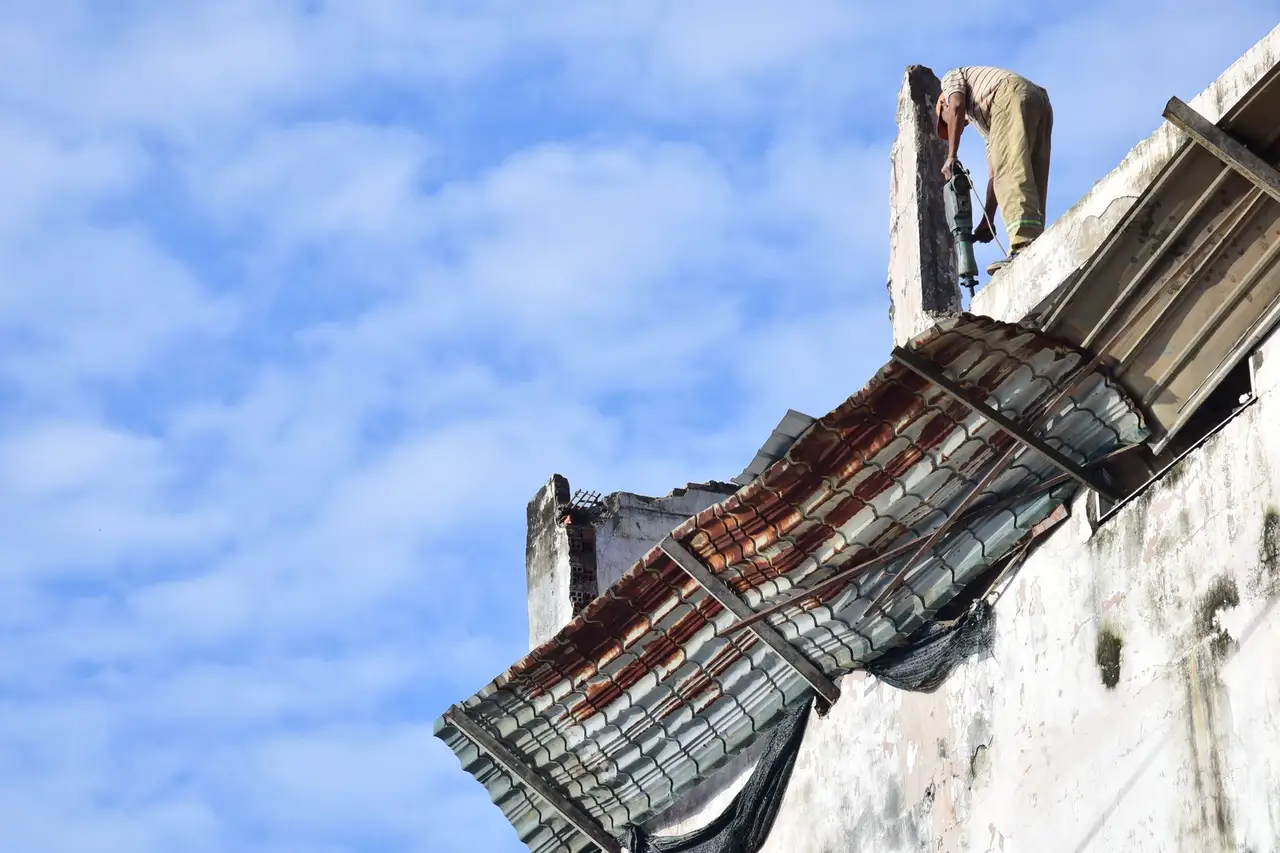
We open the seam, clean it, and rebuild it with material rated for the roof surface. A hose test confirms the repair holds before we leave. A seam that opens under thermal movement lets water in during every storm. Over a season, that is enough moisture to rot sheathing and grow mold in the attic.
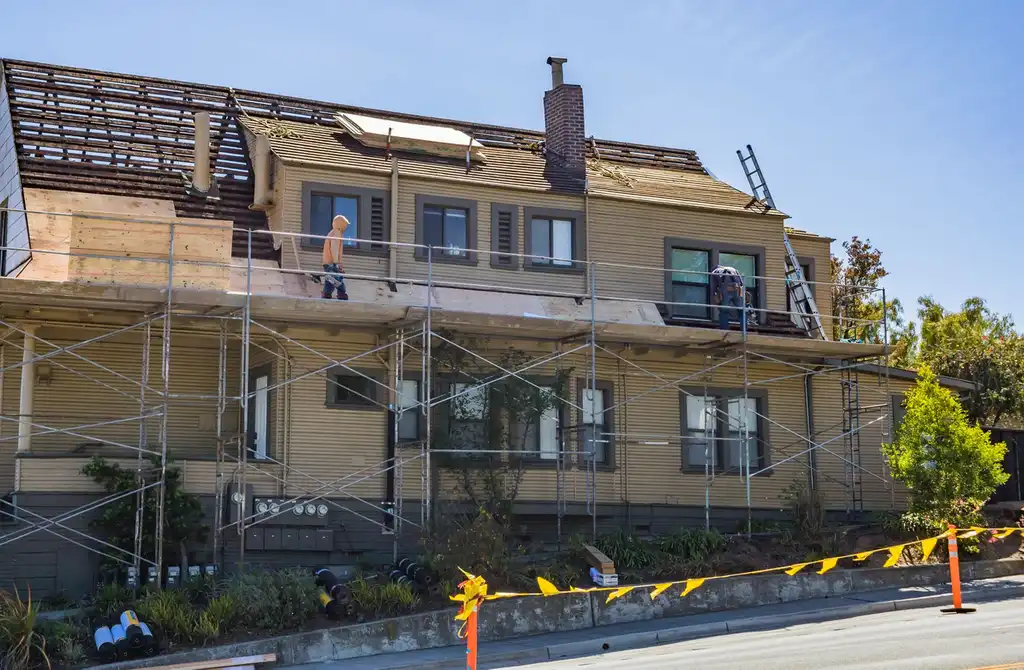
We repair the seam and check the drainage path that is causing the ponding. Fixing the seam without fixing the drainage means the same failure returns. Water standing on a seam for 48 hours or more works into any weakness in the lap. On modified bitumen and TPO roofs, this is the leading cause of seam failure.
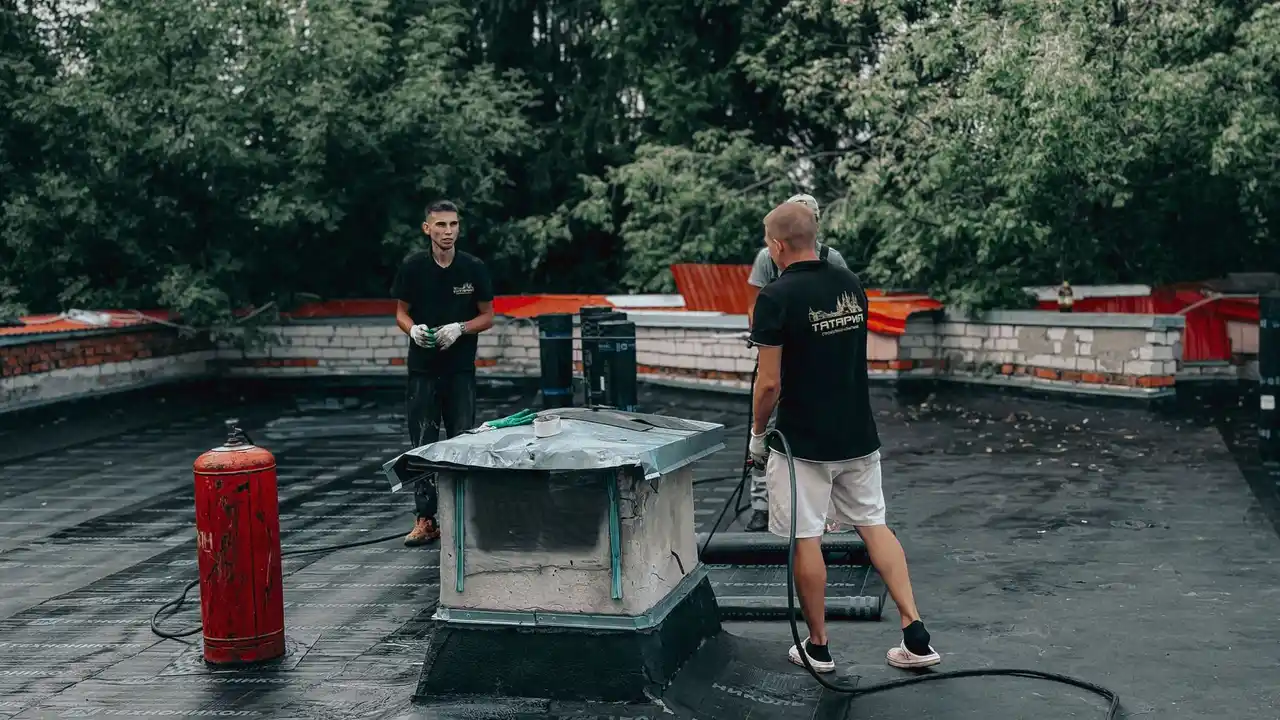
We clean the lap, replace failed fasteners with gasketed screws, and reseal the joint with a lap sealant rated for metal. On standing seam panels we use a butyl tape and clamp system. Panels expand and contract with temperature swings, opening the lap seal. The next rain enters at the lap and shows up as a ceiling leak well inside the building.
Water through a seam soaks insulation, rots sheathing, and stains drywall. A repair that runs $250 to $650 today prevents a deck replacement that runs several thousand. We seal the seam, then check the surrounding 10 feet of roof for the same failure pattern.
Most seam failures do not require a new roof. We cut out the failed section, clean the substrate, and rebuild the seam with matching material, whether that is TPO membrane, modified bitumen, or a metal panel lap. You keep the roof you have and the budget you planned.
We run a hose test over the repaired seam and watch it from the attic side. If water still moves, we have not finished. That test is why our seam repairs hold through the first real storm instead of the first light drizzle.
When water is coming through a ceiling, we tarp the roof the same day and return to make the permanent seam repair. That split keeps your furniture and flooring dry while we do the work correctly instead of quickly.
Clear records you can keep and share.
Before and after images of the failed seam.
What was used and where it was applied.
Confirmation the seam held under water.
A seam leak is not the same as a roof failure. Most seams fail because of thermal movement or ponding, and the repair targets that specific joint. Fixing the seam is usually a fraction of the cost of replacing the roof.
Water enters at the seam but often drips well away from it. The ceiling stain is rarely under the actual leak, which is why tracing the path matters.
Roof surfaces in Alhambra exceed 140 degrees in summer. That heat expands metal and softens sealant, opening the joint a fraction before the next rain.
Water standing on a flat roof seam for 48 hours or more works into any weakness. Repairing the seam without fixing drainage means the same failure returns.
Not sure if we cover your area? Call and ask. (626) 640-8498
Most residential seam repairs in Alhambra run $250 to $650 in 2026, depending on roof type and access. Metal panel and shingle seams sit at the lower end. TPO, EPDM, and modified bitumen seams on flat roofs run higher because of membrane materials and the prep work involved. Emergency tarping is priced separately from the permanent repair.
Heat is the usual cause. Alhambra roof surfaces regularly exceed 140 degrees in summer, which expands metal panels and softens seam sealant. When the roof cools at night, the seam opens a fraction. Add a concentrated rain event and water enters. On flat roofs, ponding water sitting on a seam for 48 hours or more will find any weakness in the lap.
We do, and we cover all of Alhambra plus San Gabriel, Monterey Park, Rosemead, San Marino, Temple City, South Pasadena, Pasadena, and El Monte. Call (626) 640-8498 and describe the leak. We will tell you on the phone whether it sounds like a seam, a flashing issue, or a vent boot, and schedule the inspection.
Yes. Metal panel leaks almost always start at the lap seam or at a fastener. We clean the lap, replace failed fasteners with gasketed screws, and seal the seam with a compatible lap sealant. On standing seam panels we use a butyl tape and clamp system instead of surface sealant, which lasts longer under thermal movement.
Water through a seam gets worse with every storm. Call (626) 640-8498 and describe what you are seeing. We will tell you what it sounds like and get an inspection on the calendar, with same-day tarping if the leak is active right now.
Call us at (626) 640-8498 or email [email protected]. We answer the phone during business hours and respond to emergency calls after hours. Same-day estimates are available for most jobs in Alhambra and surrounding areas.