Photo report
Images of the sealed area before and after
Roof Sealant Repair Alhambra CA is the fastest way to shut down an active leak without tearing off your roof. We find the entry point, prep the surface, and seal it with the right product for your material. If you need roof sealant fixing in Alhambra, call (626) 640-8498 and we will get a technician on your roof today.
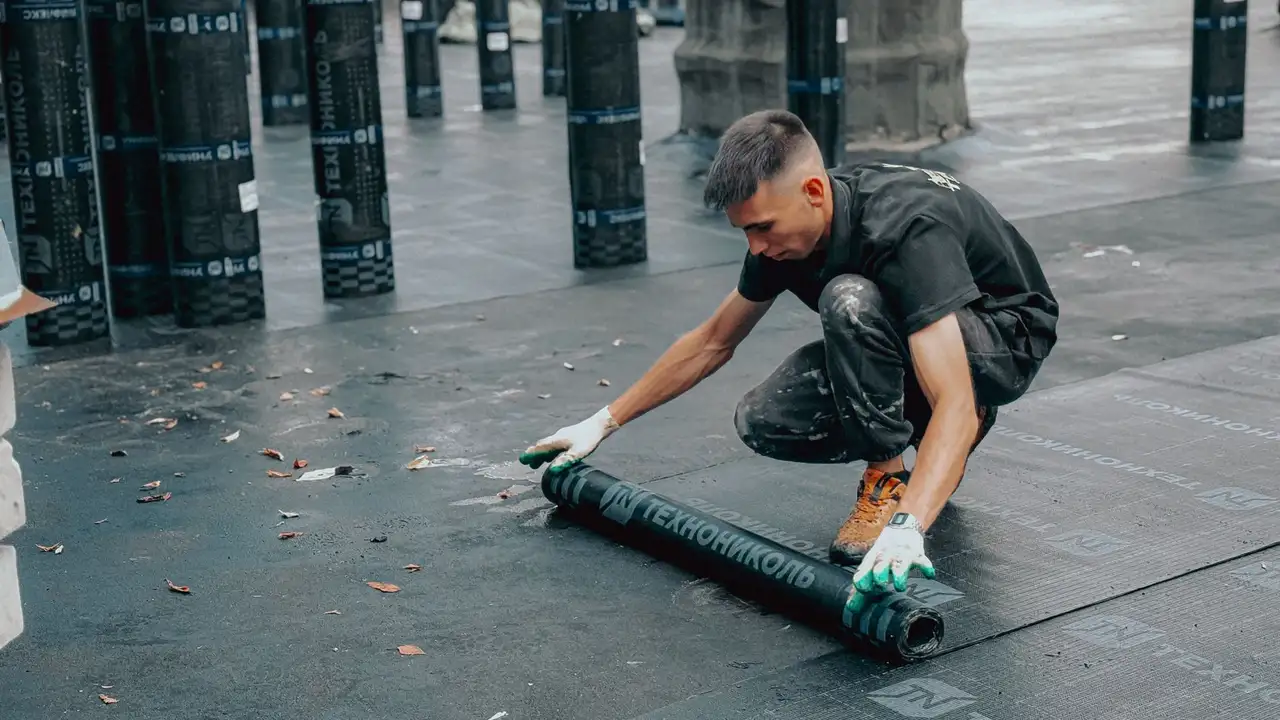
Every sealant repair starts with a real inspection, not a guess. Here is what you get when you book us, and what we will flag as a separate repair if we find it.
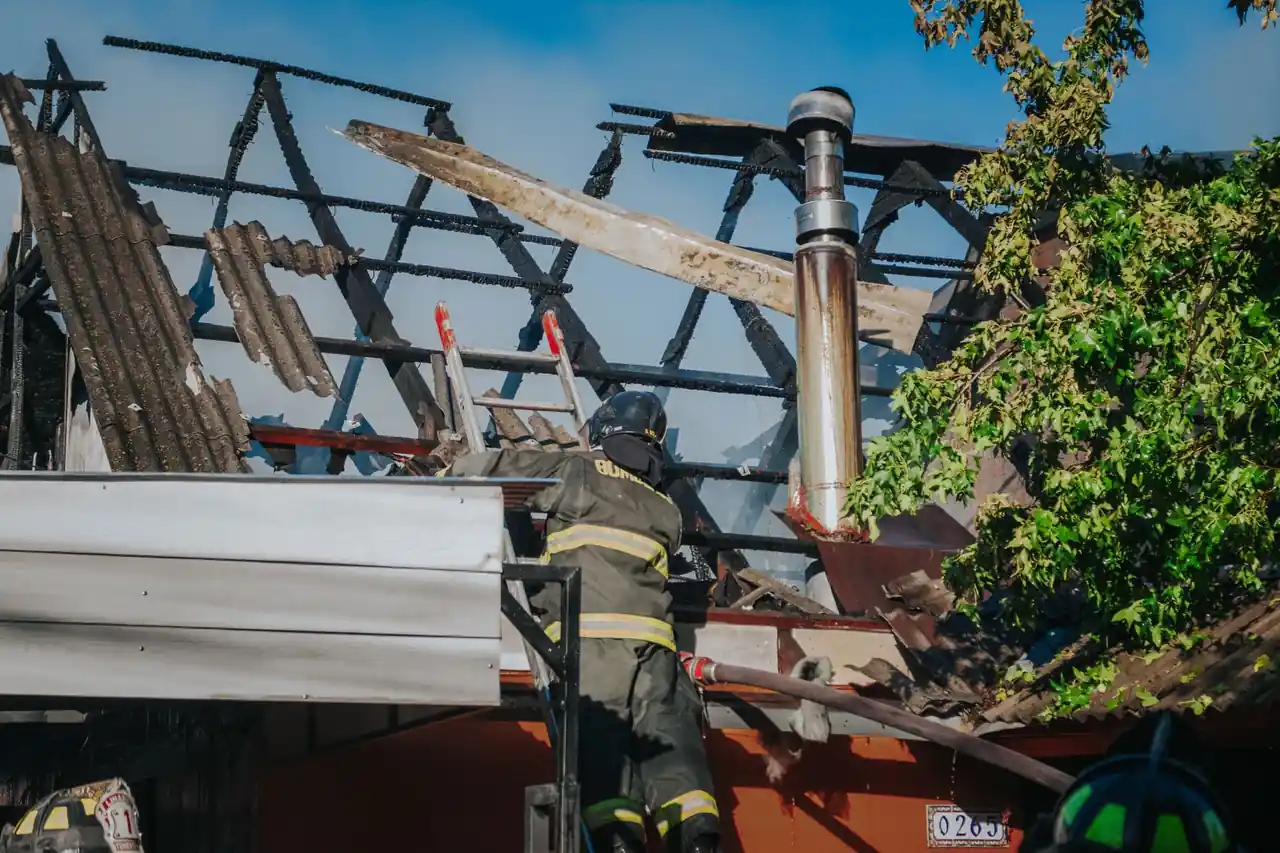
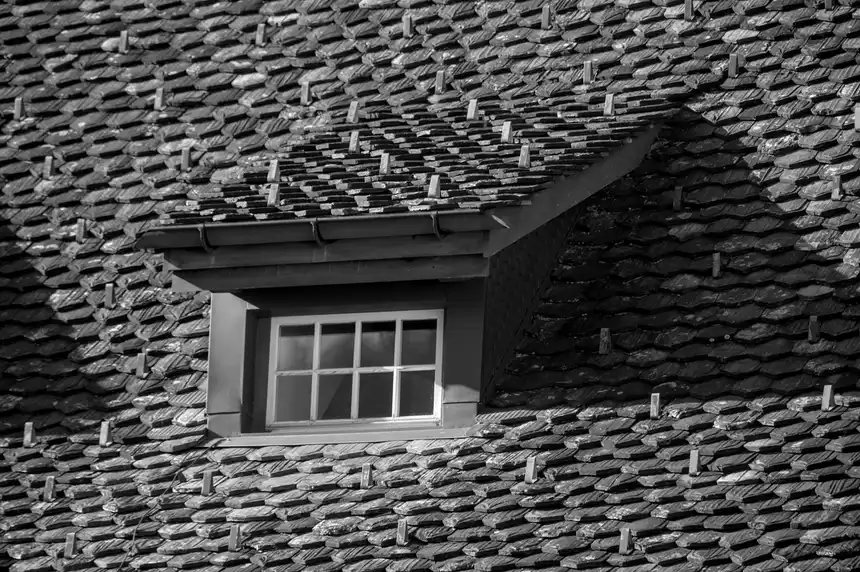
We seal the flashing, seams, and penetrations that let water into your home. You get a dry ceiling and a clear report of what we fixed.
We seal flat and low-slope roofs on commercial buildings without disrupting your operating hours. You get the repair documented for your property records.
Roof Sealant Repair Alhambra CA is the targeted application of roofing sealant, cement, and membrane-grade patching to the specific points where water gets in: flashing, seams, vent boots, valleys, and penetrations. We do not paint the whole roof. We clean the failure point, remove the failed material, prime if the product calls for it, then apply the correct sealant for asphalt shingles, tile, metal panels, or a flat membrane. Done right, a sealant repair buys you years, not months.
Alhambra roofs take a specific beating. Summer surface temps on a dark shingle roof hit 150 degrees and cook the oils out of cheap sealant. Then winter rain finds every hairline crack. Most of the calls we run in 91801 and 91803 are the same story: a ceiling stain that shows up after the first real storm, traced back to a dried-out vent boot or a lifted flashing edge. That is exactly the situation Alhambra CA Roof Sealant Repair is built for.
We seal the point where water gets in, not the stain where it shows up.
Five steps, one visit in most cases. Here is exactly what happens from the phone call to the final water test.
You call (626) 640-8498 and describe what you are seeing: a ceiling stain, a drip, a musty attic. We ask when it started and whether it tracks with rain. That five-minute conversation usually tells us whether you have a flashing leak, a seam leak, or a vent boot that finally gave out, and it lets us load the right sealants before we roll.

On site, we climb the roof with a roof ladder and walk the suspect area. We use a moisture meter on the decking and, on flat sections, an infrared thermal imaging camera to spot wet spots that are not visible yet. If there is attic access, we check the underside for staining and trace the water back to its actual entry point.
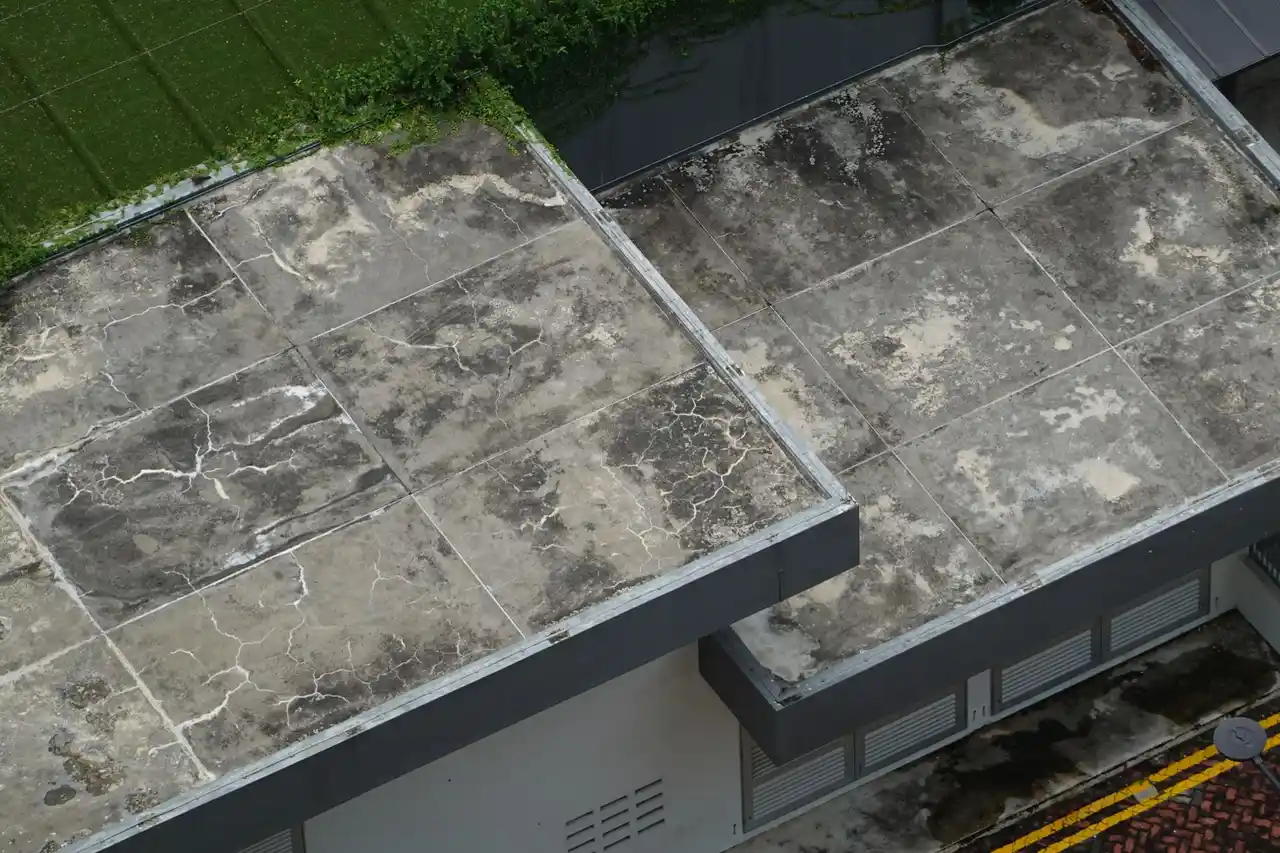
Sealant fails on dirty, wet, or loose surfaces, so this step matters more than the product. We pull the failed caulk with a pry bar and utility knife, scrape the area clean, and let it dry. On metal and membrane roofs we wipe with a compatible cleaner. Skipping prep is why so many DIY sealant jobs peel off within a year.
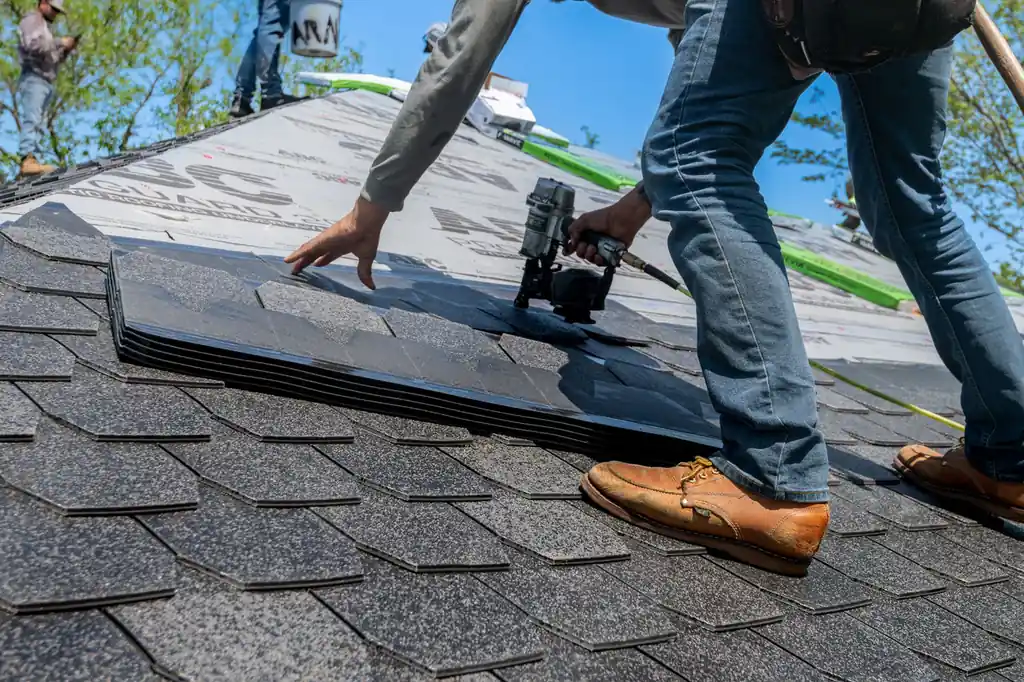
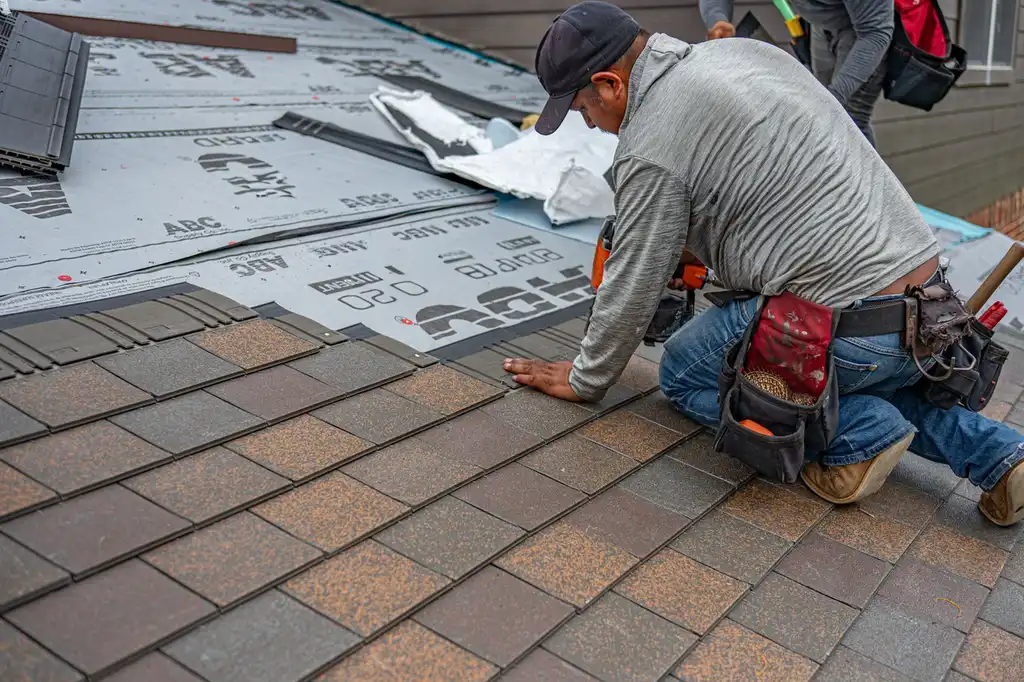
We apply the correct product for your roof: roof cement and fabric for seams and flashing, polyurethane or silicone sealant from a caulking gun for penetrations and vent boots, or a membrane-grade lap sealant on TPO and EPDM. We tool the bead smooth and overlap the edges so water sheds instead of pooling against the repair.

Before we leave, we run a hose over the repaired area for several minutes and watch the underside. If it stays dry, we photograph the finished work and walk you through what we sealed and what to keep an eye on. Most single-point repairs take two to four hours start to finish.
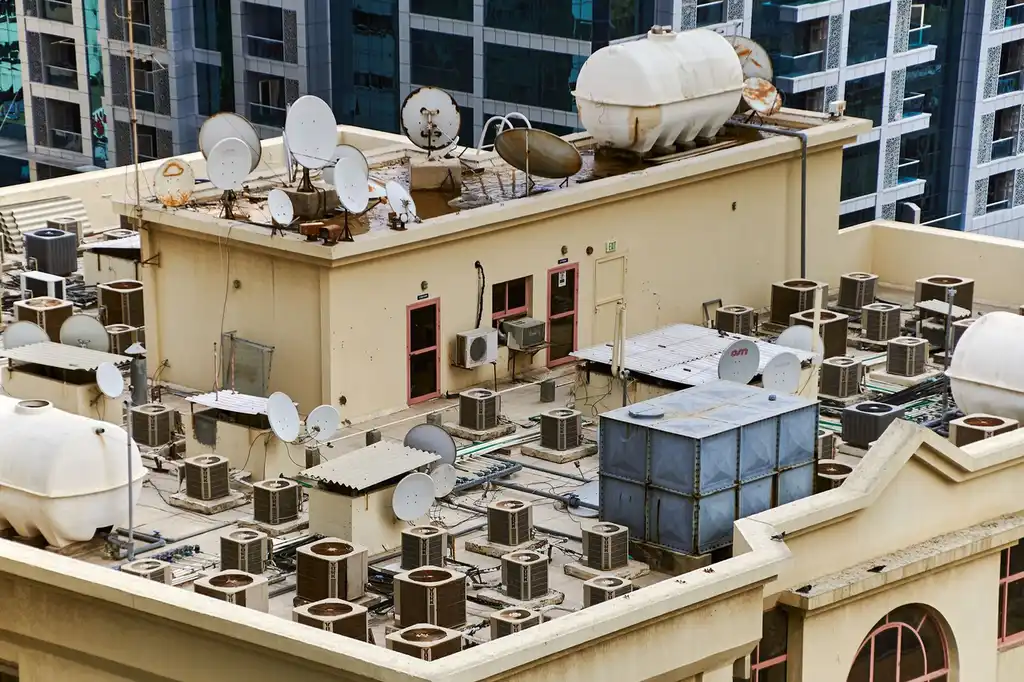
Reads temperature differences on flat roofs to show where water has traveled under the membrane, so we seal the source instead of the symptom.
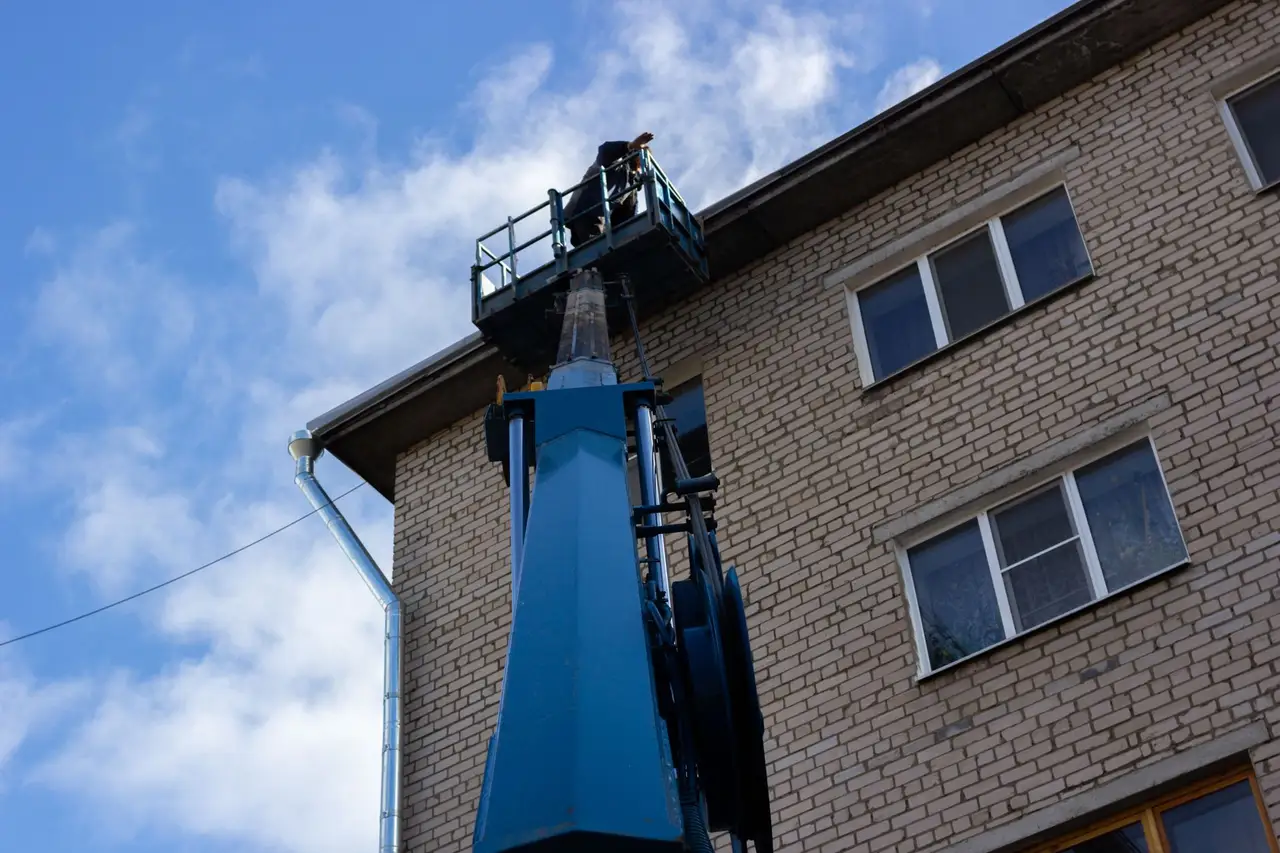
Confirms wet decking and insulation on the roof and in the attic, giving us a number to compare before and after the repair.
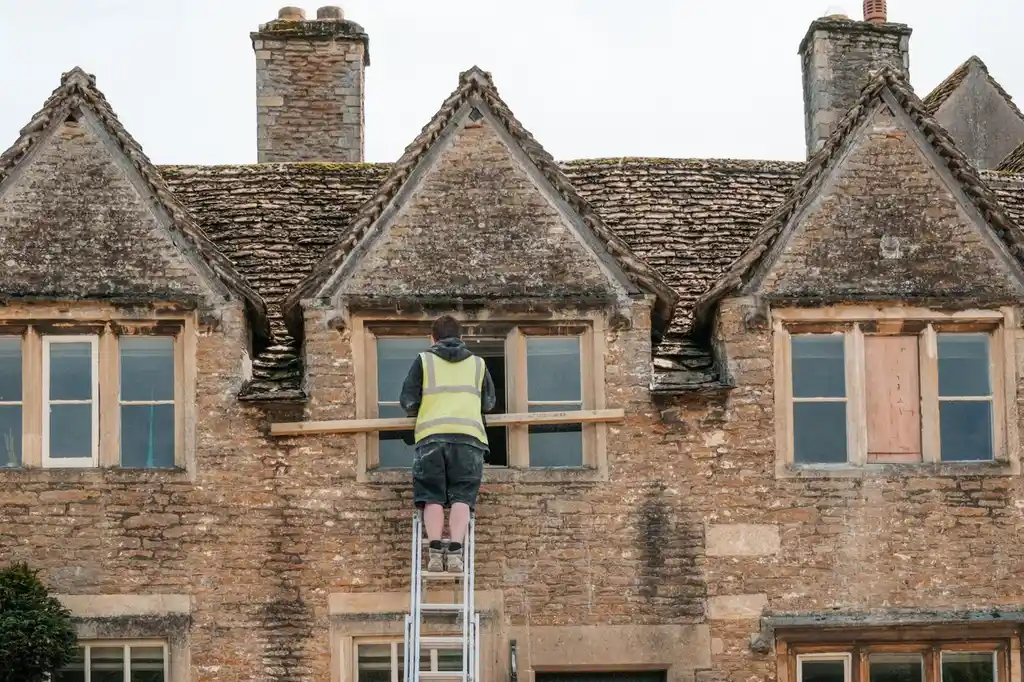
Gets us onto steep and tile roofs safely without damaging the surface, and lets us work hands-free at the repair point.
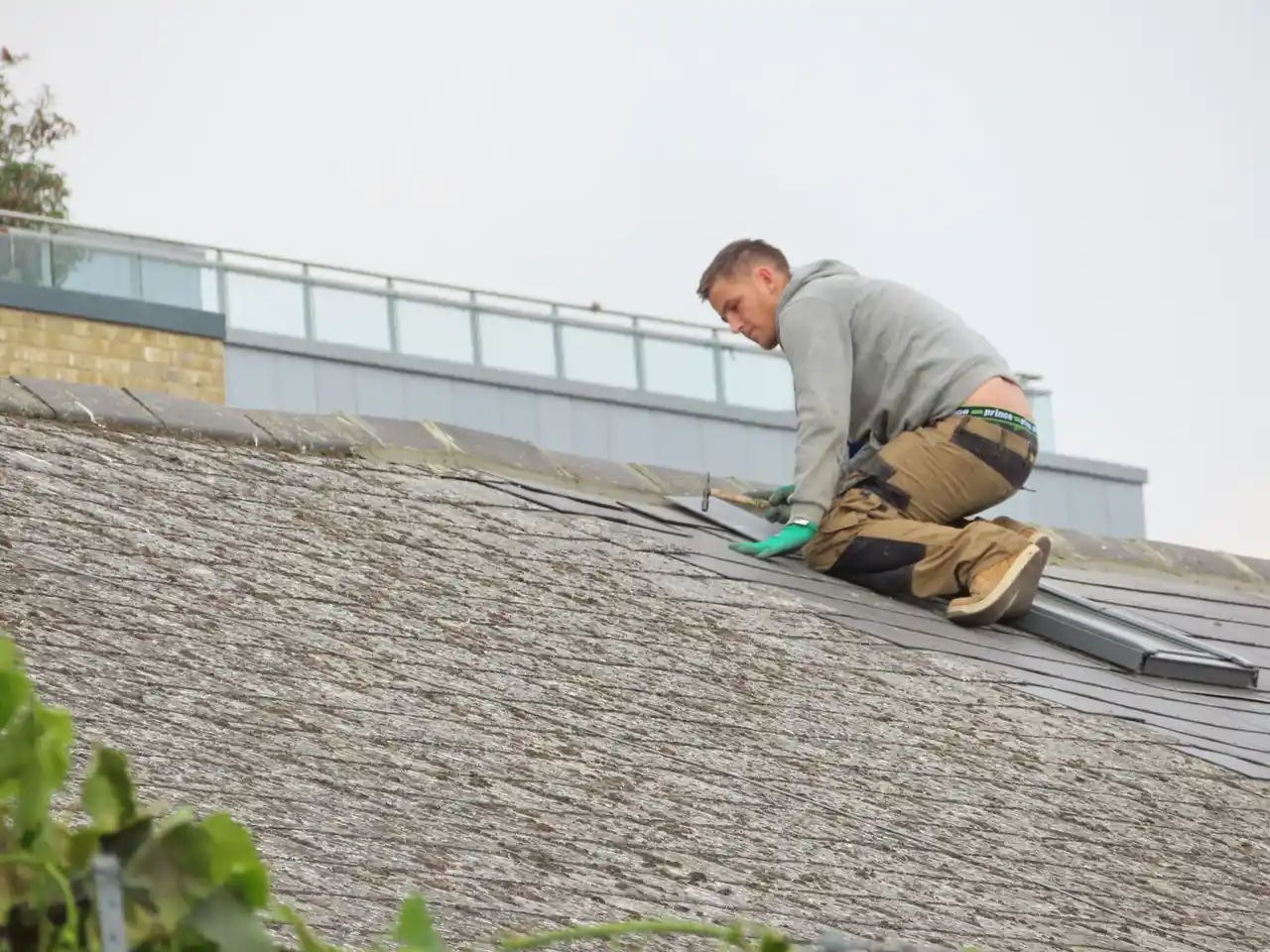
Applies a controlled, even bead of polyurethane or silicone sealant at penetrations, vent boots, and flashing edges.
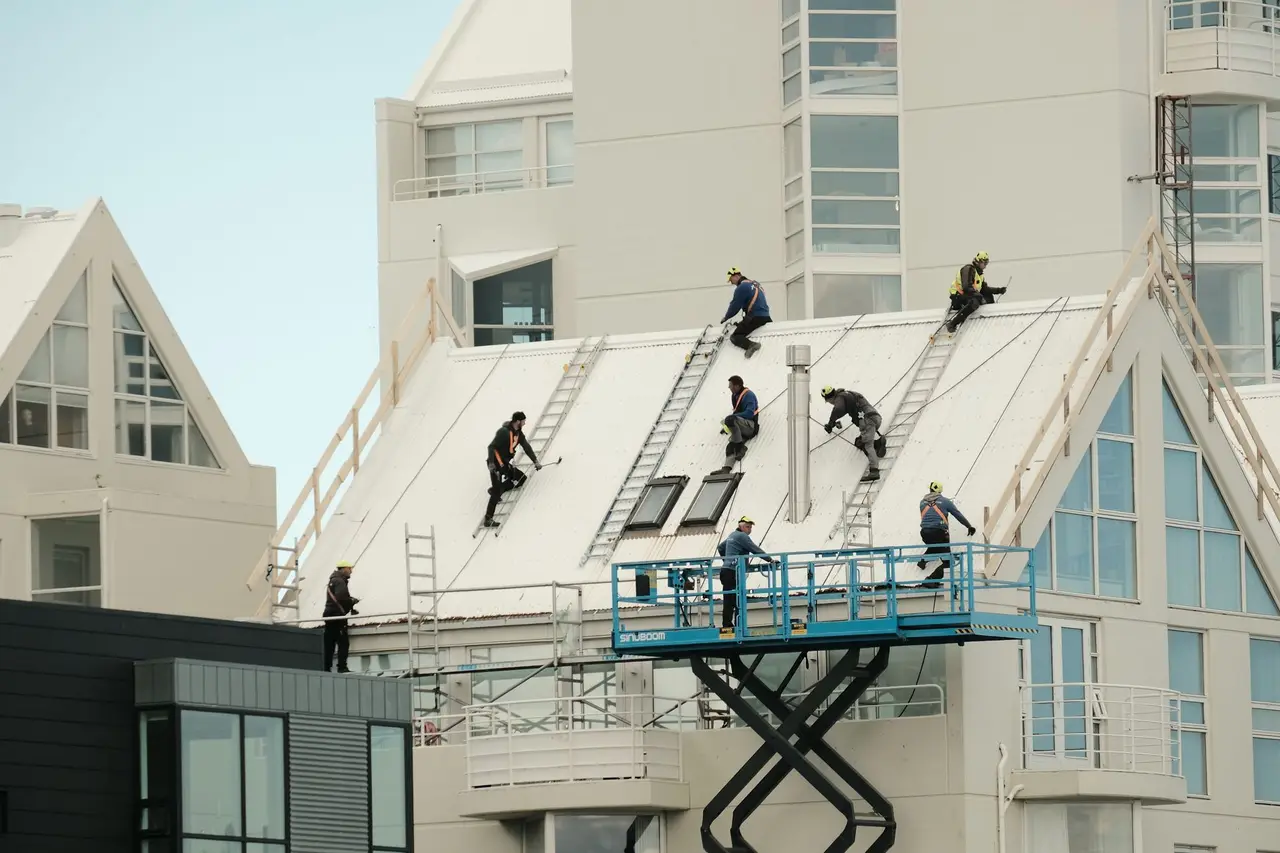
Remove failed sealant and lift flashing edges cleanly so the new product bonds to a sound surface.
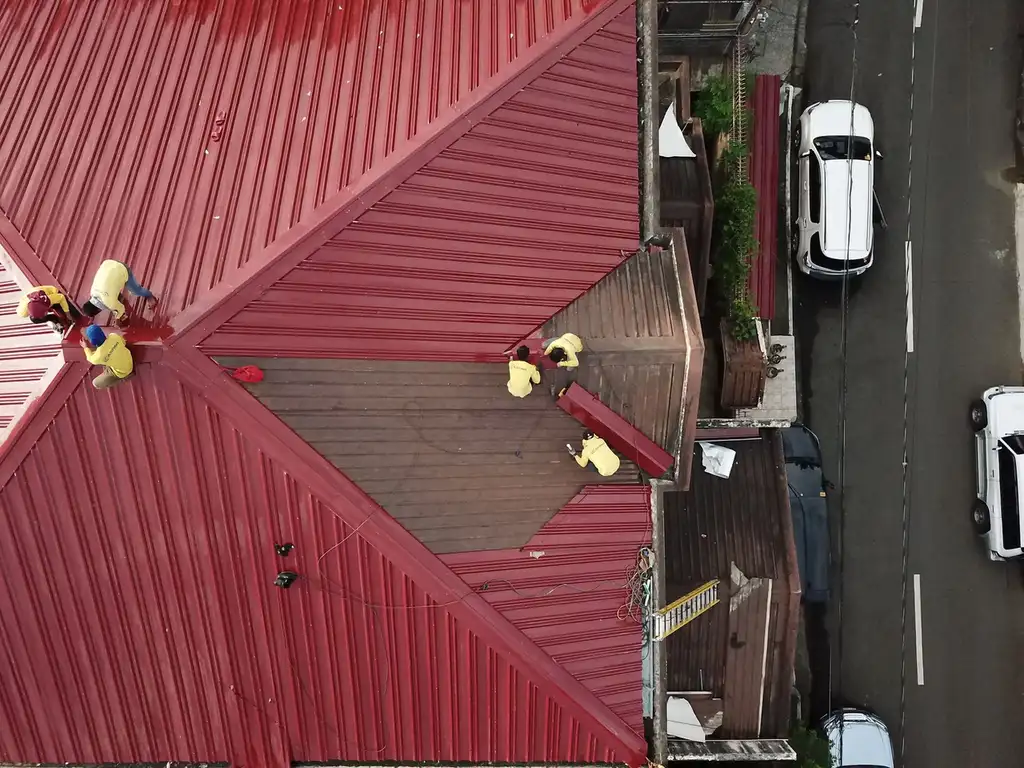
Water-tests the finished repair before we leave, so we confirm the leak is closed instead of assuming it.
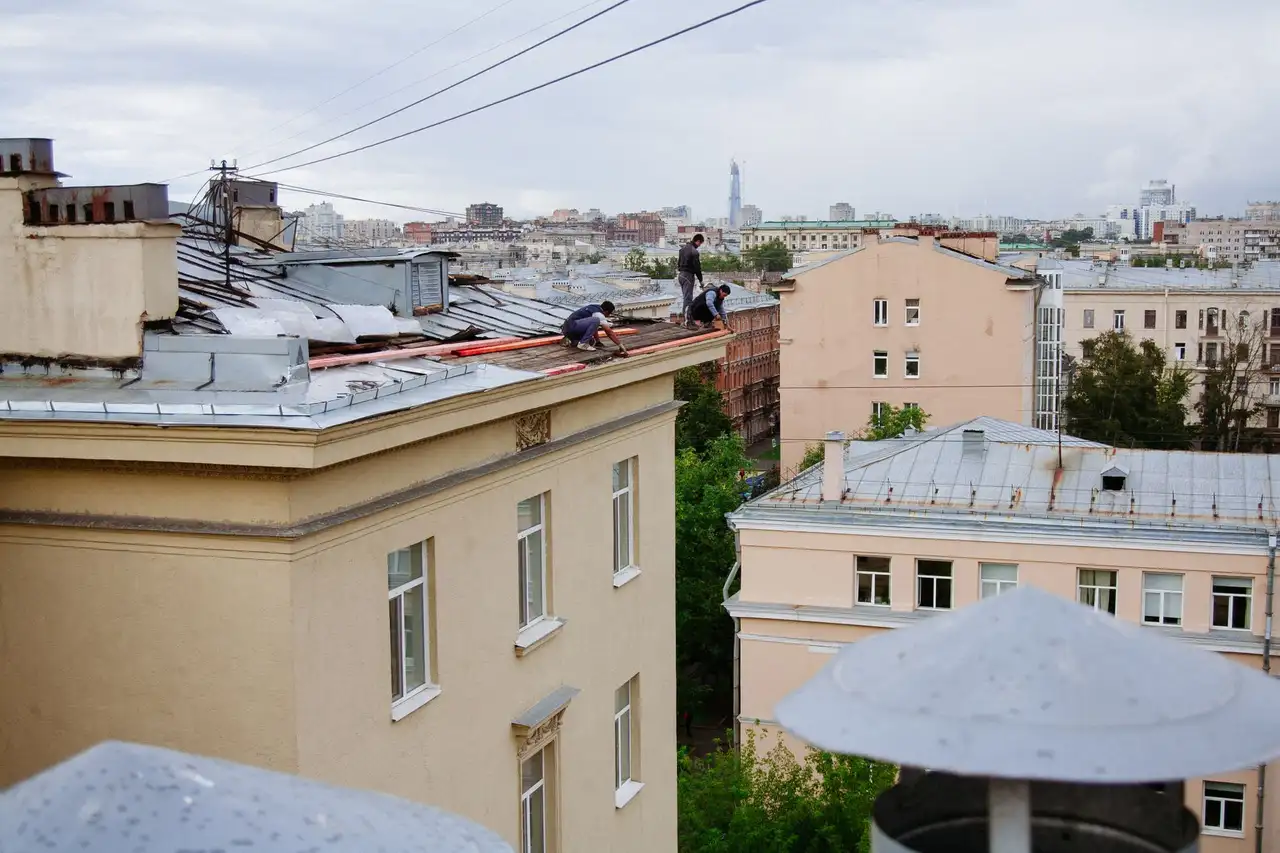
Covers an active leak when rain is still falling, stopping the damage until the surface is dry enough to seal.
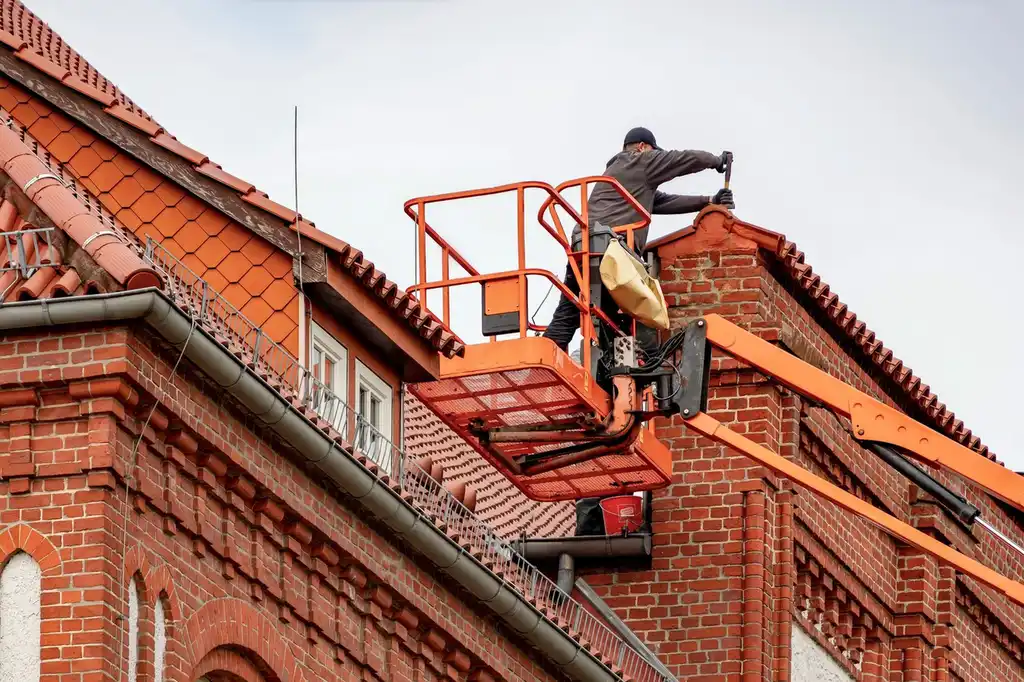
We select the sealant by roof type: roof cement and fabric for asphalt shingles and flashing, polyurethane or silicone for penetrations, and membrane-grade lap sealant for TPO and EPDM. Matching the product to the surface is the single biggest factor in whether a sealant repair lasts.
We inspect the roof above the stain, use a moisture meter to trace the water path, and seal the entry point. If the source is not obvious, the infrared camera finds it. You get a sealed roof and a clear answer about what failed, usually the same day you call.
We do a preventive sealant pass on the high-risk points: vent boots, flashing edges, seams, and valleys. We reseal anything that is drying out or lifting. You head into the rainy season with the common failure points already sealed, which usually costs far less than an emergency repair.
We reseal the flagged areas, document the work with photos, and provide a clear scope you can hand to the buyer or agent. The repair is closed out before escrow, and you have a record of what was done and when.
We schedule around your operating hours, seal the leak, and document the repair for your property records. The leak is sealed, your tenant is satisfied, and you have the paperwork for your files.
Alhambra sits in Los Angeles County with a climate that punishes roofing sealant: hot, dry summers that bake the oils out of cheap products, then concentrated winter rain that finds every crack. The building stock makes it interesting. You have 1920s bungalows near downtown with original wood decking, mid-century homes with flat or low-slope sections, and newer builds with tile and metal. Each material fails differently and needs a different sealant. We also work to California code, which matters when a repair touches flashing or a roof-to-wall transition. If you are searching for affordable Roof Sealant Repair Alhambra CA, the honest answer is that the right sealant for your specific roof costs less over time than a cheap one you replace every year. Call (626) 640-8498 and we will tell you what your roof actually needs.
A homeowner in 91801 had a ceiling stain that grew with every storm. Two contractors quoted a full re-roof. The actual failure was a cracked vent boot and a lifted flashing edge, both letting water run down the pipe.
We replaced the vent boot, resealed the flashing, and water-tested both. The repair took about three hours and cost a fraction of the re-roof quotes. The stain stopped growing that season.
Check vent boots and flashing edges each fall before the rainy season. A five-minute look from the ground with binoculars catches most failures early.
A property manager in San Gabriel had a slow leak in a flat-roof unit. The ceiling showed a small stain, but the source was not visible. Ponding water had been working at a seam for months.
The infrared camera found the wet area under the membrane. We sealed the failed seam with membrane-grade lap sealant and reinforcement, then water-tested it. The leak stopped and the tenant renewed the lease.
Keep flat roof drains clear so water does not pond against the seams. A seasonal drain check is the cheapest leak prevention there is.
A homeowner near Emery Park noticed a musty smell in the attic but no visible stain. The chimney flashing had pulled away from the masonry, letting water into the chase and down into the framing.
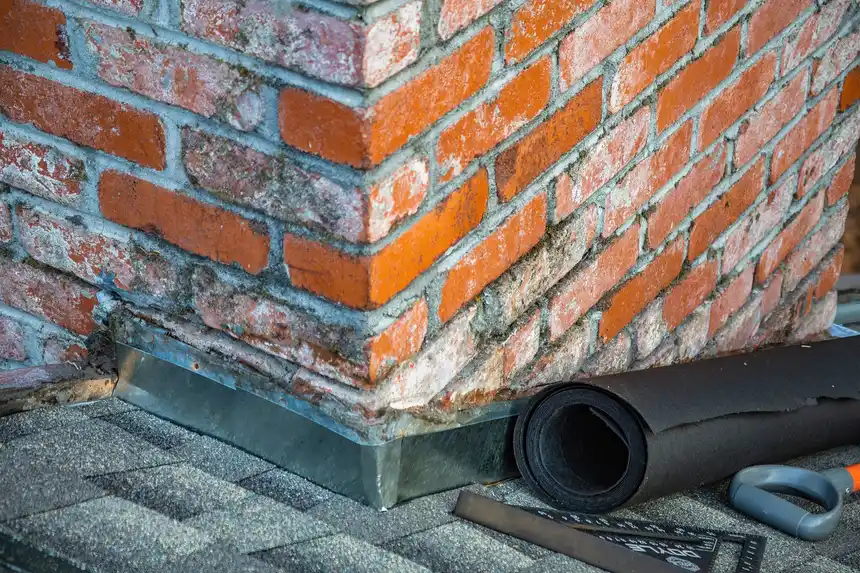
We resealed the counter-flashing and step flashing, repaired a crack in the chimney crown, and water-tested the assembly. The attic dried out and the musty smell cleared within a week.
Inspect chimney flashing and the crown each year. Masonry cracks and lifted flashing are the two most common chimney leak sources in Alhambra.
Most of the sealant repair calls we run in Alhambra trace back to a handful of failure points. Here is what we see and how we fix it.
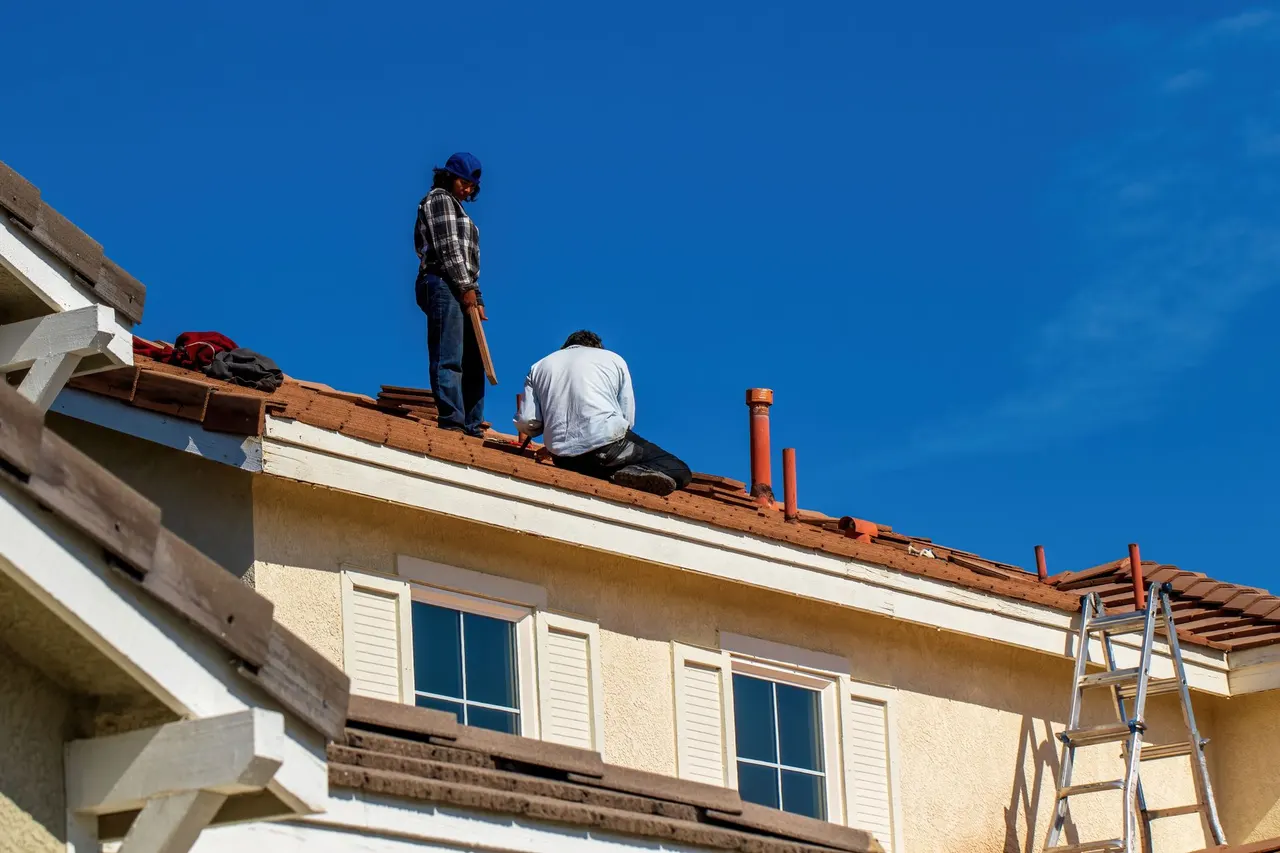
We trace the stain back to its roof entry point, usually a flashing or vent boot failure, and seal it with the correct product. We check the attic side too and tell you whether the drywall needs attention. Water is already past the underlayment and soaking the decking and insulation. Left alone, it rots framing and feeds mold in the attic.

We replace the failed boot or reseal the collar with a UV-stable sealant rated for Alhambra's summer heat. Most vent boot repairs are done in under two hours. The rubber collar splits and water runs straight down the pipe into the ceiling. It is one of the most common leaks we see and one of the cheapest to fix.
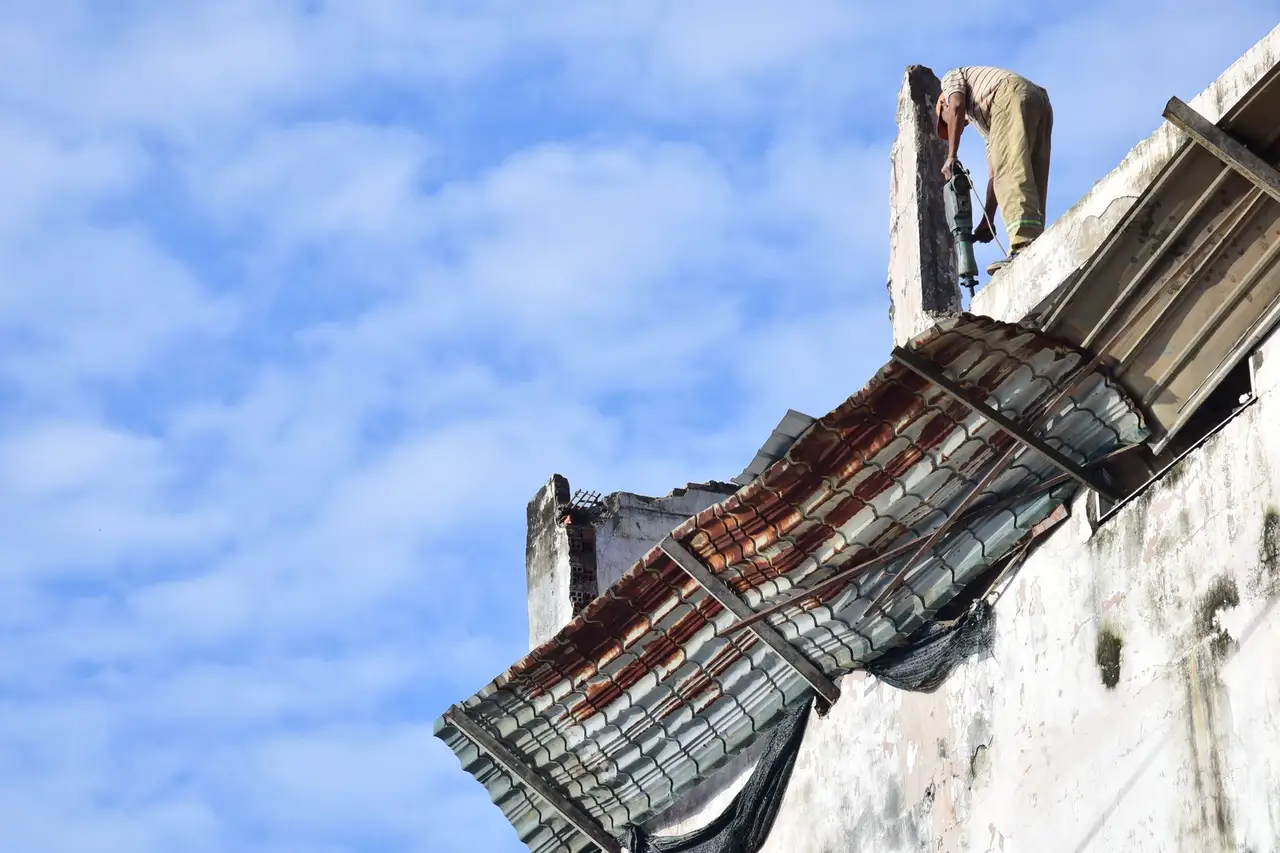
We reseal the flashing and, if the metal has failed, rebuild it. We clean the joint first so the new sealant bonds, then water-test it before we leave. Once the flashing lifts, water runs behind it and into the wall cavity, where the damage is invisible until the drywall stains or the framing softens.
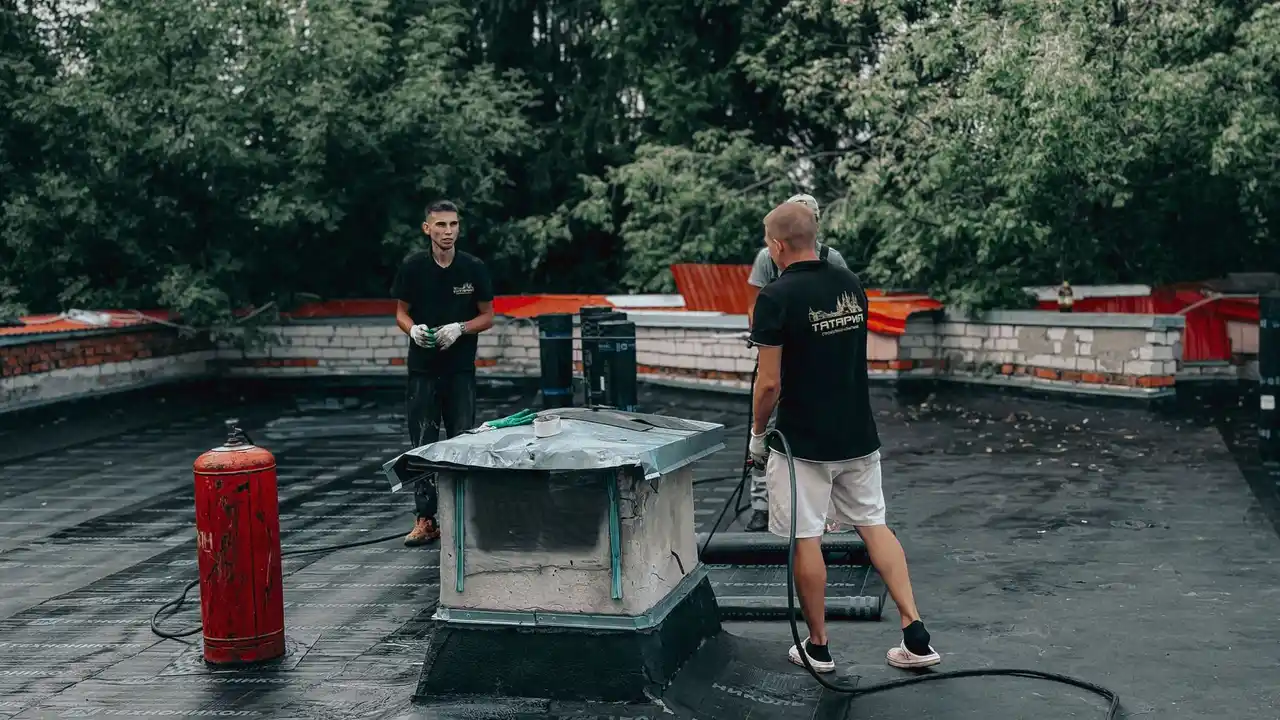
We locate the low spot with a moisture meter and infrared camera, seal the failed seam with membrane-grade product, and flag the drainage issue so water stops sitting on the repair. Standing water works at every seam and lap until one opens. Ponding also shortens the life of the whole membrane.
Most active leaks we seal in Alhambra stop on the first visit. We apply roof cement and a reinforced membrane patch over the failure point, then water-test it with a hose before we pack up. You go from a dripping ceiling to a dry one in a single afternoon, not after a week of waiting on a replacement crew.
A full tear-off on a typical Alhambra home runs into five figures. A targeted sealant repair usually lands between $250 and $900 depending on access and how many points failed. If your shingles still have life left in them, sealing the problem spots is the honest call, and we will tell you when it is not.
Water that gets past your flashing does not stop at the ceiling. It soaks the underlayment, rots the decking, and feeds mold in the attic. Sealing the entry point early keeps a $400 repair from turning into a $4,000 deck replacement. We check the attic side too when access allows.
Sometimes the roof is genuinely near the end. A sealant repair still makes sense as a bridge: it keeps you dry through the rainy season while you plan and budget for a proper replacement. We will document what we sealed and flag what is likely to fail next, so there are no surprises.
Clear records you can keep and share.
Images of the sealed area before and after
What we sealed and what to watch
Hose test confirming the repair holds
Sealant fixes joints, seams, and penetrations. It does not fix a roof that is already saturated or worn out. Knowing which one you have decides whether sealing is the right spend.
Sealant is right when the surrounding material still has life and the failure is at a joint. Replacement is right when the roof is saturated or the shingles are failing across the whole surface.
A sealant repair lasts five to ten years when the surface is cleaned and dried first. The same product on a dirty or wet joint peels off within a season.
Silicone will not bond to a dirty modified bitumen cap sheet, and asphalt cement will not stick to TPO. Matching the product to the roof surface is what makes the repair hold.
Not sure if we cover your area? Call and ask. (626) 640-8498
Most single-point sealant repairs in Alhambra run $250 to $900 in 2026, depending on roof height, access, and how many spots failed. A simple vent boot reseal sits at the low end. Multiple flashing and seam repairs on a steep or tile roof land at the high end. You get the price before we start, and emergency tarping is quoted separately if you need it.
Sealant works when the failure is at a joint, seam, or penetration and the surrounding roofing material still has life. It is the right fix for a dried-out vent boot, a lifted flashing edge, or a cracked seam. It is the wrong fix for a roof that is already saturated or has widespread shingle damage. We inspect first and tell you which situation you are in.
We do. Roof Repair Alhambra Pros handles roof sealant fixing across Alhambra and the surrounding San Gabriel Valley, including San Gabriel, Monterey Park, Rosemead, and Temple City. Call (626) 640-8498 and we will schedule an inspection, usually the same day for active leaks.
A properly prepped and material-matched sealant repair typically holds five to ten years. The variables are surface prep, product choice, and sun exposure. Roofs that bake all summer in Alhambra age sealant faster than shaded ones. We use UV-stable products and reinforce seams so the repair outlasts a cheap caulk job by years.
Every day you wait, water is working its way deeper into your decking and insulation. Call (626) 640-8498 and we will inspect the roof, show you exactly where it is leaking, and seal it before the next storm. Same-day estimates available.
Call us at (626) 640-8498 or email [email protected]. We answer the phone during business hours and respond to emergency calls after hours. Same-day estimates are available for most jobs in Alhambra and surrounding areas.