Written scope
What failed, what we replace, and the price.
Roof Penetration Leak Repair Alhambra CA handles the leaks that start where pipes, vents, and mounts cut through your roof. If you have a ceiling stain spreading after a rain, a vent boot leak, or a flashing leak you cannot pin down, we find the exact entry point and fix it. We serve homeowners and property managers across Alhambra, California.
Every penetration job covers the full path from inspection to tested repair. Here is what is included as standard, and what we handle as an add-on when the inspection turns up more.
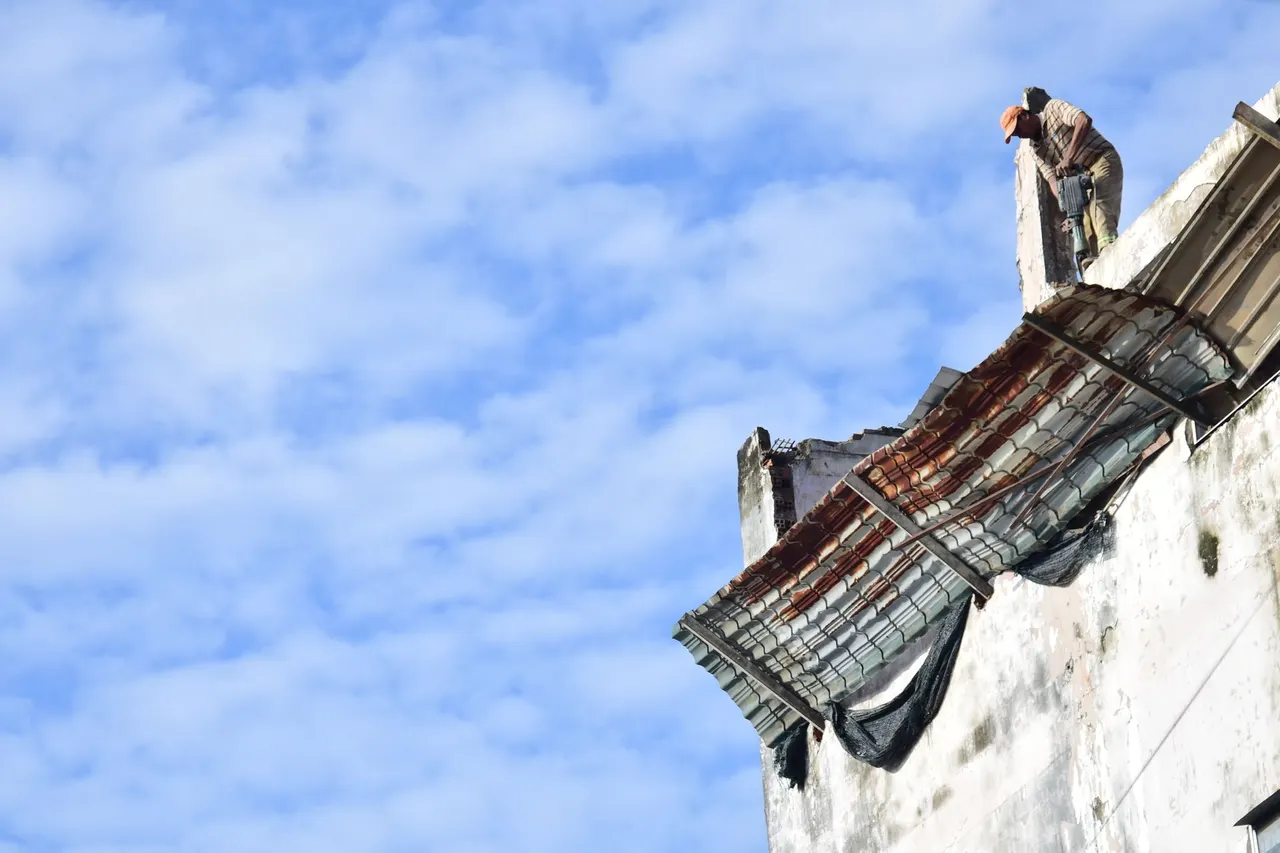
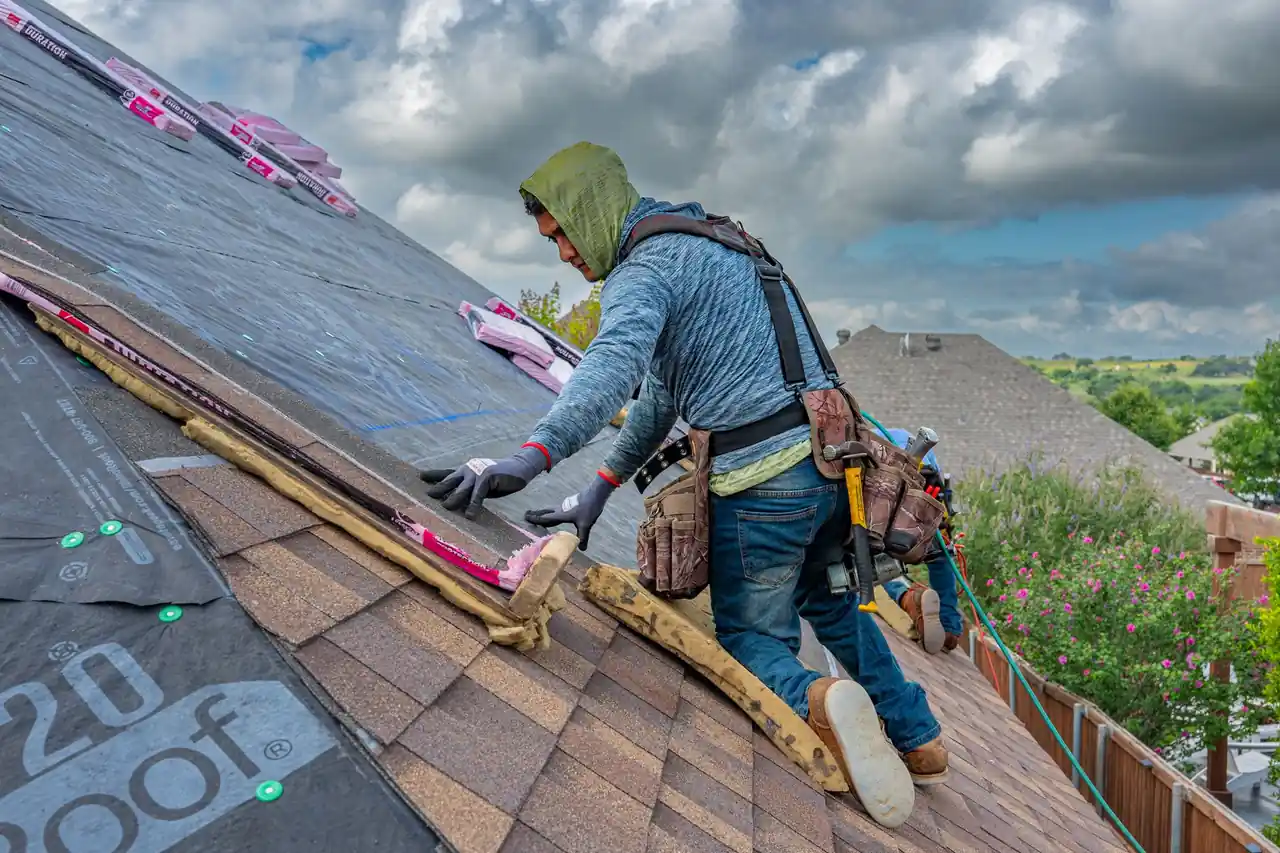
We repair the spots where pipes, vents, and mounts pass through your roof. You get a confirmed source, a replaced part, and a water test before we leave.
We handle the penetrations on flat and low-slope commercial roofs. You get the curb or vent detail restored and photos of the work for your records.
Roof Penetration Leak Repair Alhambra CA is the trade of sealing the spots where something passes through your roof deck: vent pipes, exhaust stacks, HVAC mounts, satellite brackets, and conduit. Water rarely enters through the shingle field. It slips past the collar, boot, or flashing around a penetration, then travels along the deck until it drips somewhere far from the actual hole. That is why a ceiling leak in the kitchen often traces back to a vent boot 20 feet away.
Alhambra roofs take a specific beating. Summer surface temps push past 140 degrees, then winter rain arrives in concentrated storms. That heat-and-water cycle cracks rubber vent boots, dries out roof cement, and pulls sealant away from metal. Homes near Main Street and the older tracts off Valley Boulevard often have 30 to 60 year old penetrations that have never been re-flashed. If you have been searching for roof penetration leak fixing near me Alhambra, the fix starts with finding the true source, not patching the ceiling stain.
Find the entry point first, then replace what failed instead of coating over it.
Every job follows the same order: find it, confirm it, fix it, test it. Here is what you can expect from the first call to the final walkthrough.
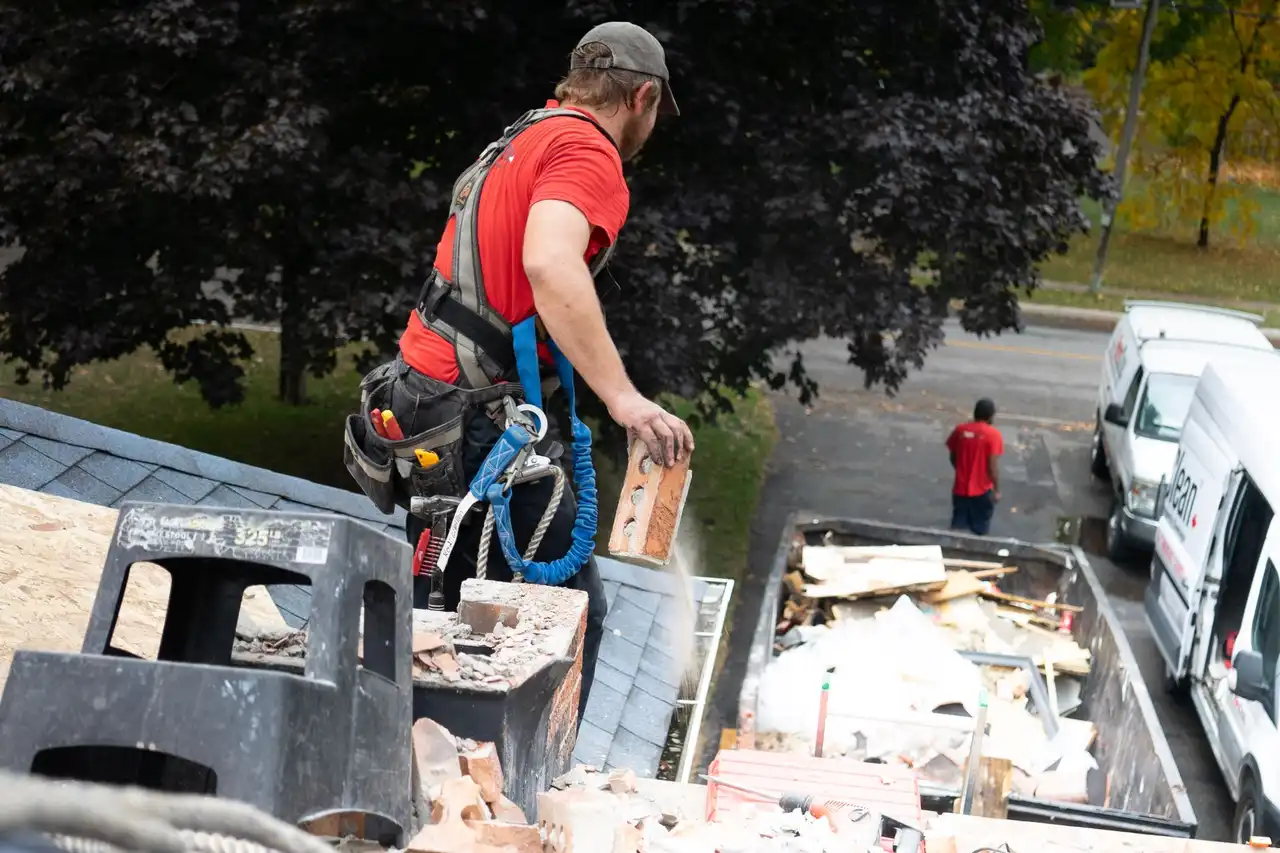
You describe where the water shows up and when it started. We ask about recent rain, any roof work, and whether the stain grows. That conversation usually narrows the suspect list before we arrive, so the first visit is spent confirming rather than guessing. Same-day estimates are available for most Alhambra calls.

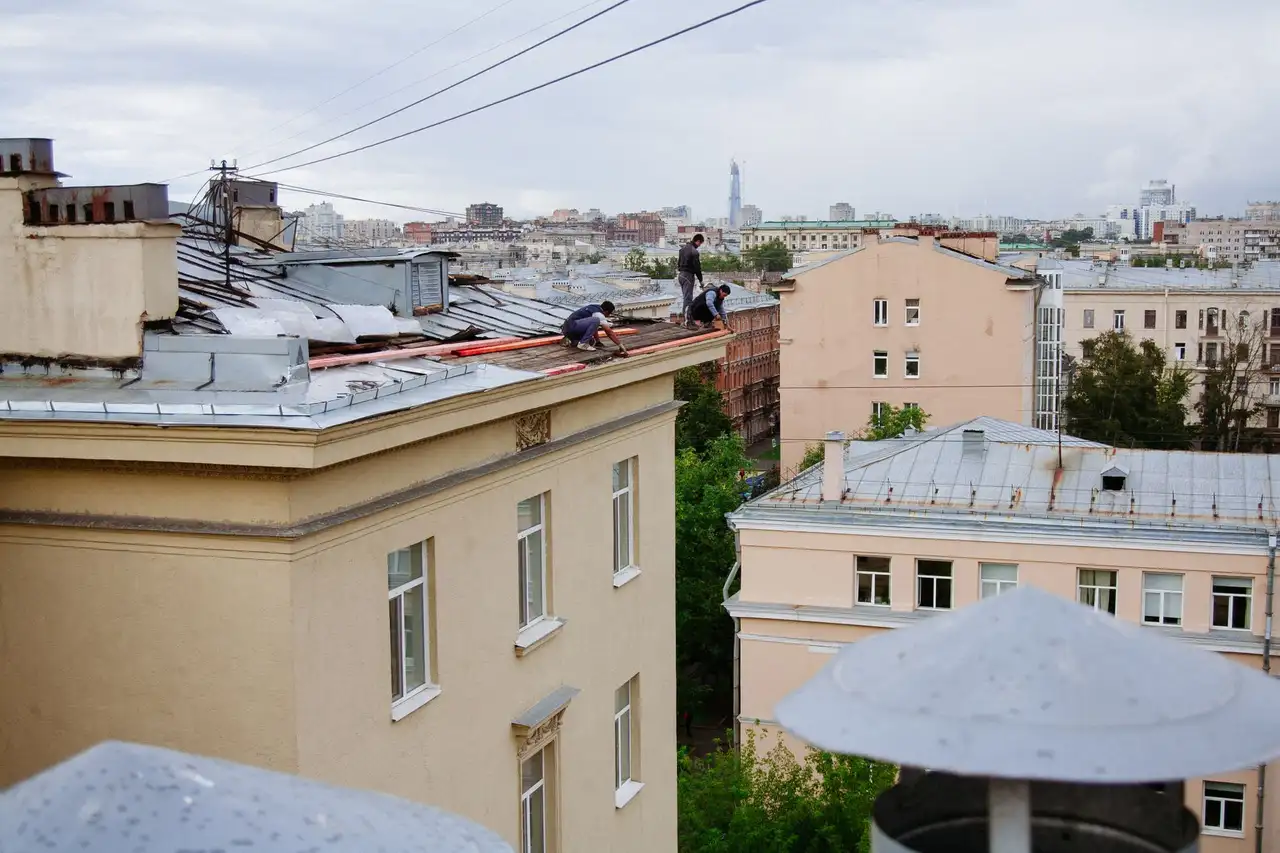
We climb up with a roof ladder and walk the penetrations: vent pipes, chimney, skylights, and any mounts. A moisture meter checks the deck around each one, and an infrared thermal imaging camera can reveal wet areas that look dry on the surface. This step takes 30 to 60 minutes on a typical house.
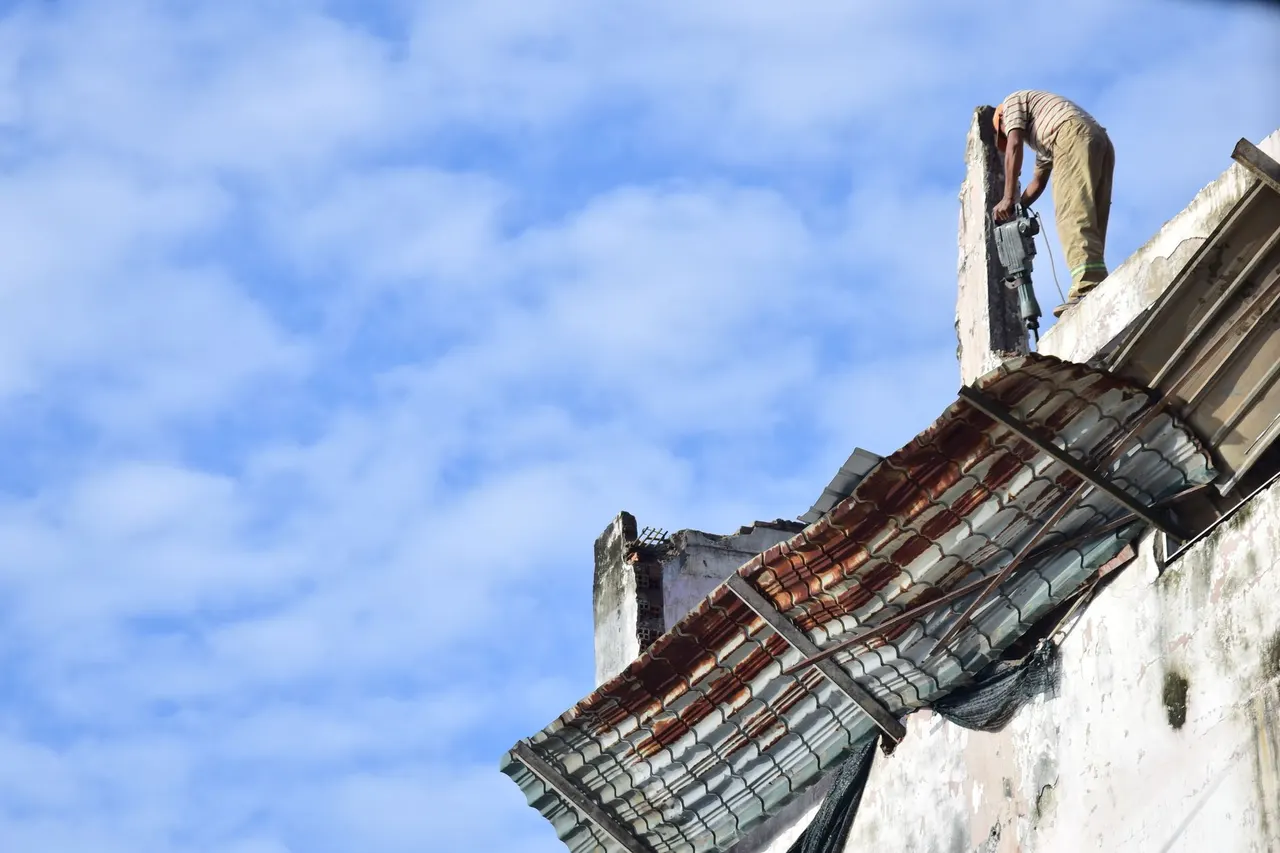
We do not repair until we know the water path. If needed, we run a hose test at the suspected penetration and watch from the attic side. That confirms whether the leak is a vent boot leak, a flashing leak, or a roof seam leak before any material comes off. You get a clear explanation of what failed and why.
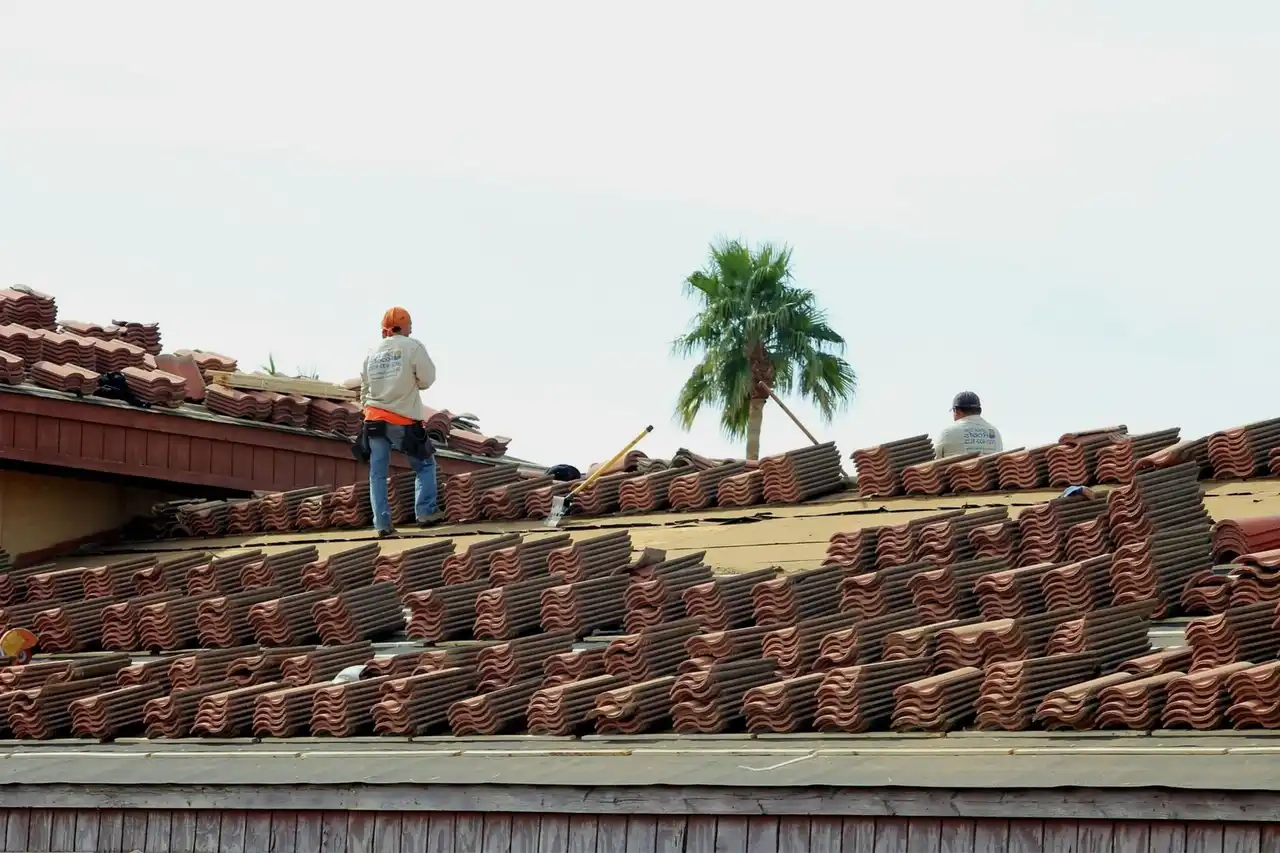
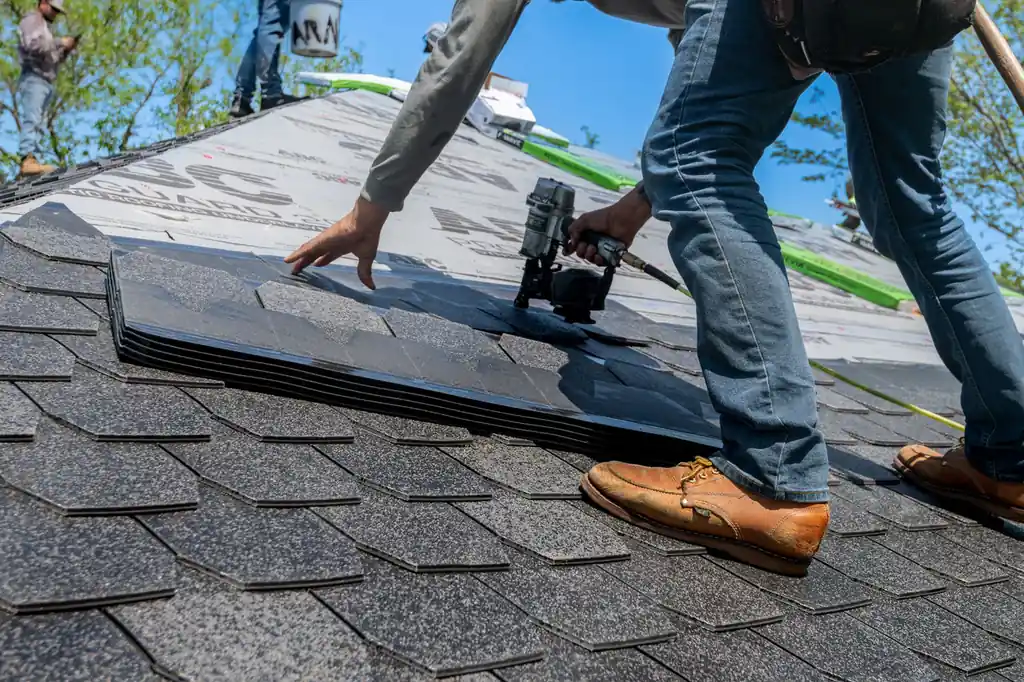
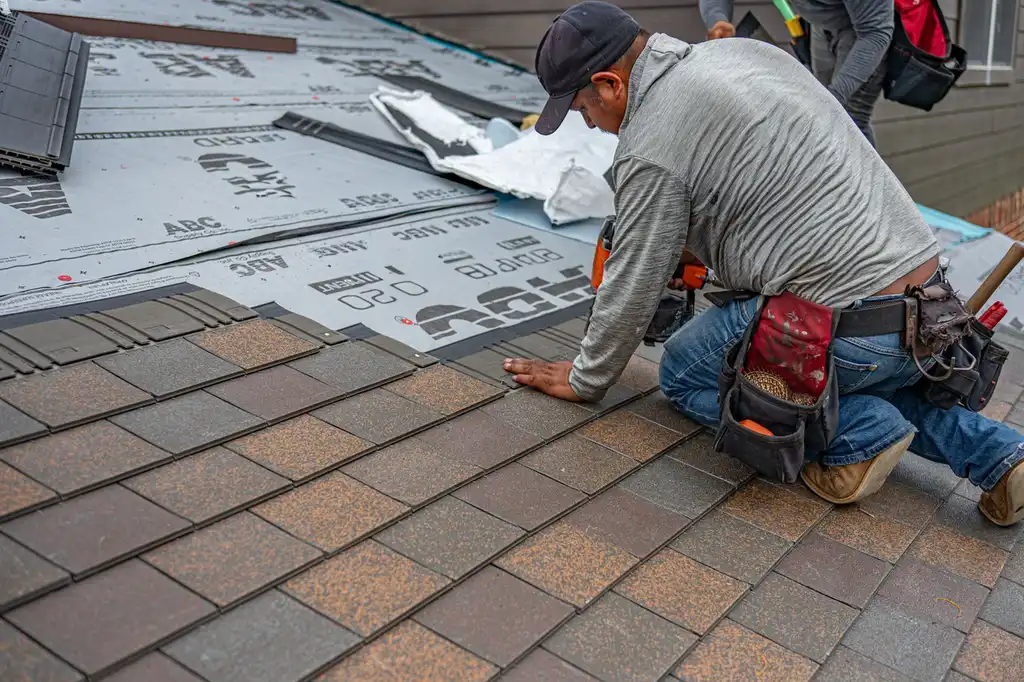
We remove the failed boot, collar, or flashing with a pry bar and utility knife, then install the replacement. Seams get roof cement and the correct sealant for your surface, whether that is asphalt shingles, TPO membrane, or modified bitumen. Fasteners are set with a nail gun or hammer, and the penetration is re-sealed to shed water the way it should.
We re-run water over the repaired penetration and check inside for any trace of moisture. If it stays dry, we clean the work area and walk you through what was replaced. Most penetration repairs take two to four hours. You leave with a clear picture of the fix and what to watch for next season.
Reveals wet areas on the roof deck that look dry on the surface. It is how we map moisture around a penetration before opening anything up.
Confirms whether the deck around a penetration is wet and how far the moisture has spread. Readings guide how much material needs to come off.

Gets us onto the roof safely and lets us work at the penetration without damaging the surrounding surface. Proper footing matters on tile and slate.
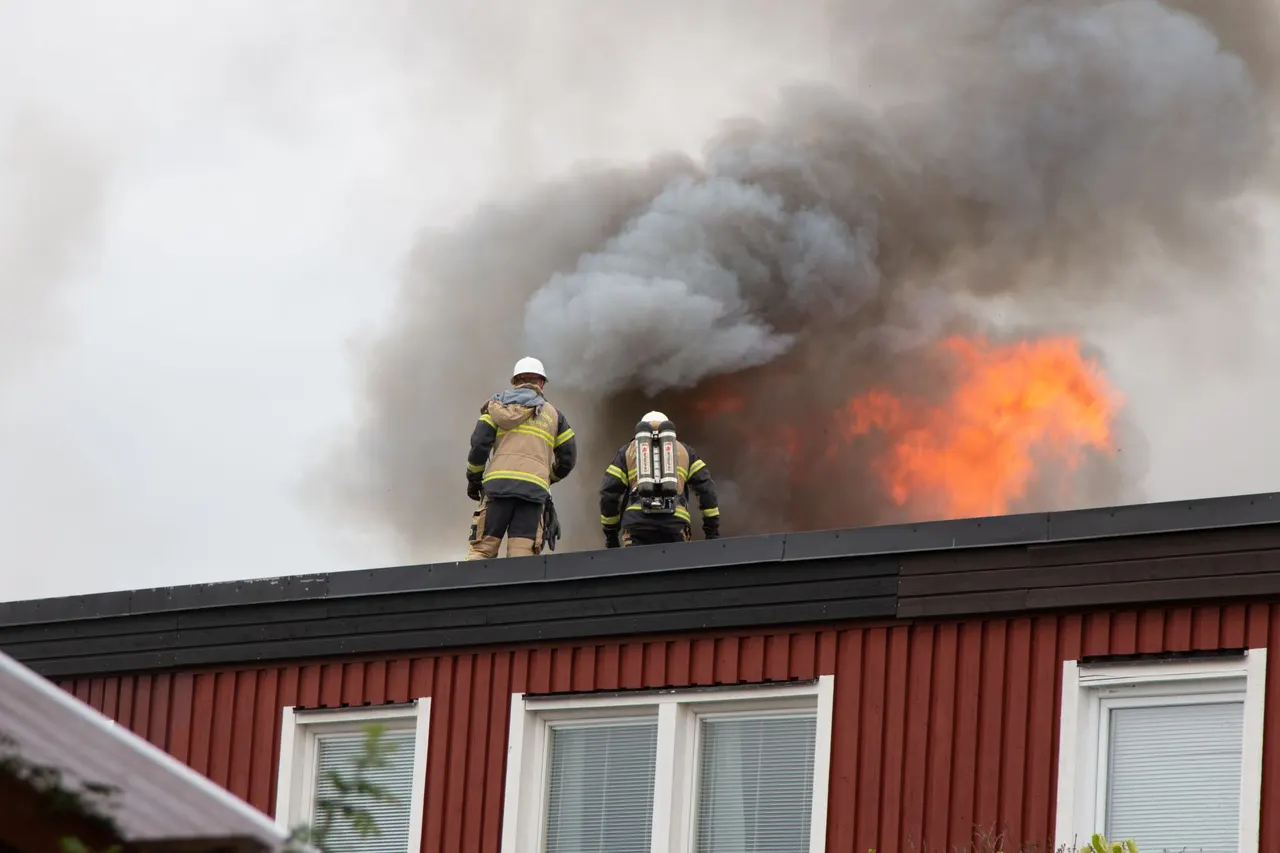
Remove failed boots, flashing, and sealant cleanly. Clean removal is what allows the new material to seat properly.
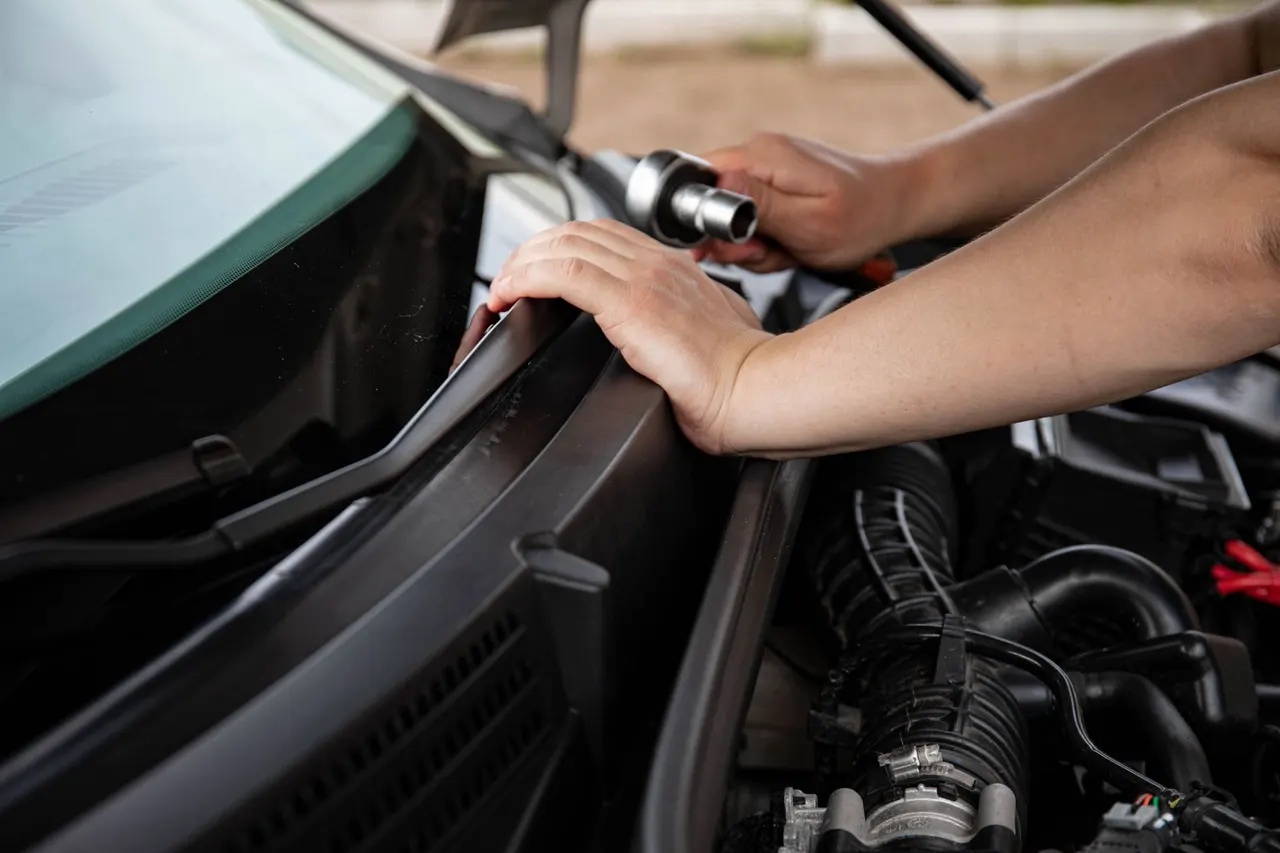
Applies sealant in a controlled bead at seams and edges. The right bead depth is what keeps water from working behind the flashing.
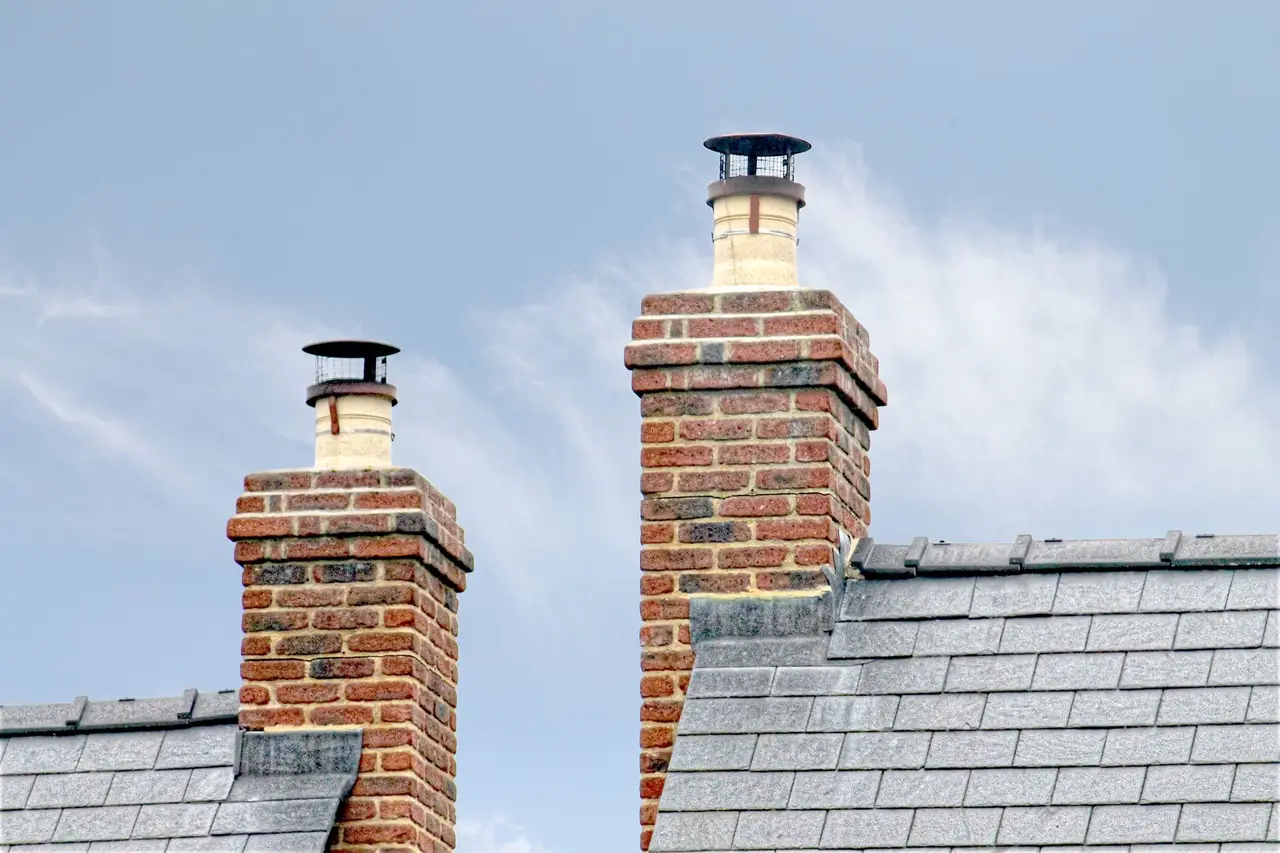
Set fasteners for flashing and shingle work. Correct fastening keeps the repair in place through heat expansion and wind.
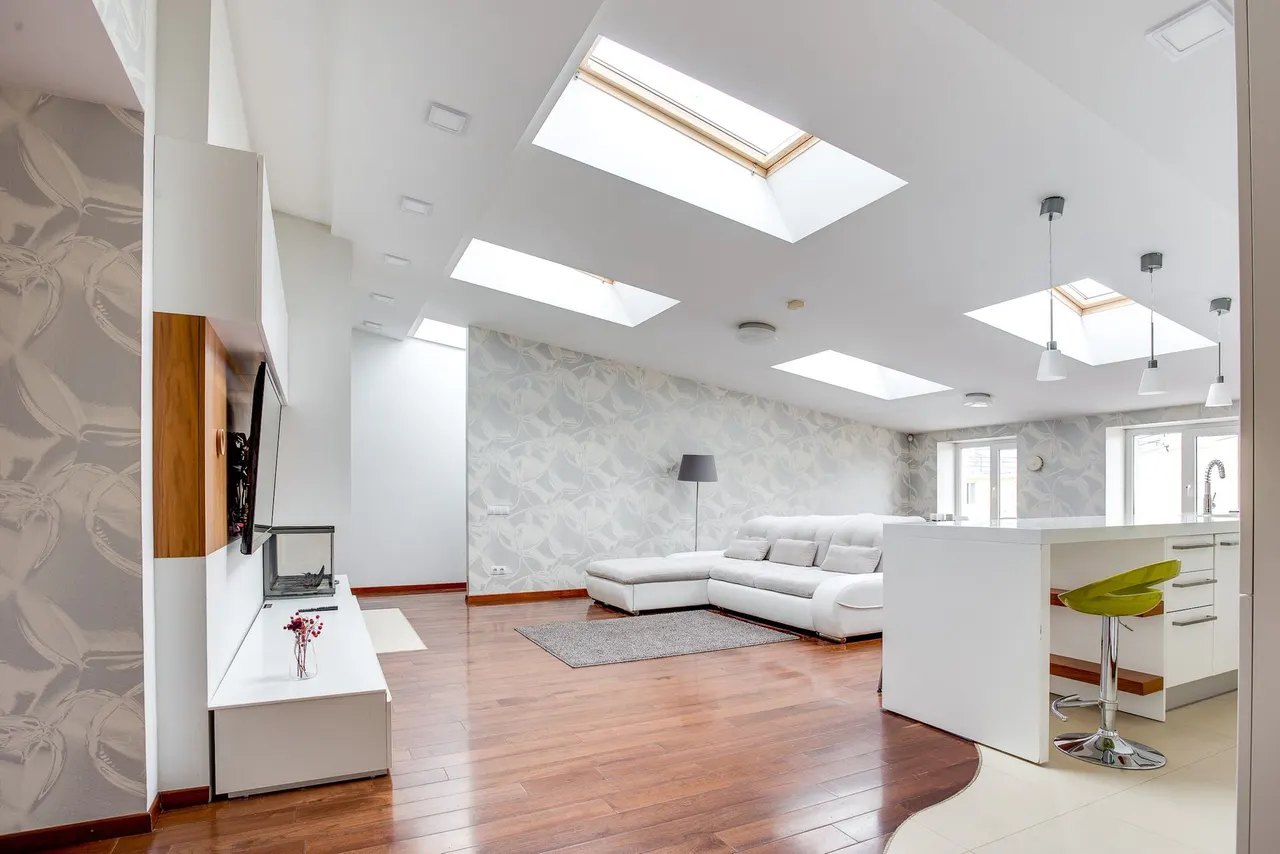
Runs a controlled water test at the repaired penetration. We watch from the attic side to confirm the fix before we call the job done.
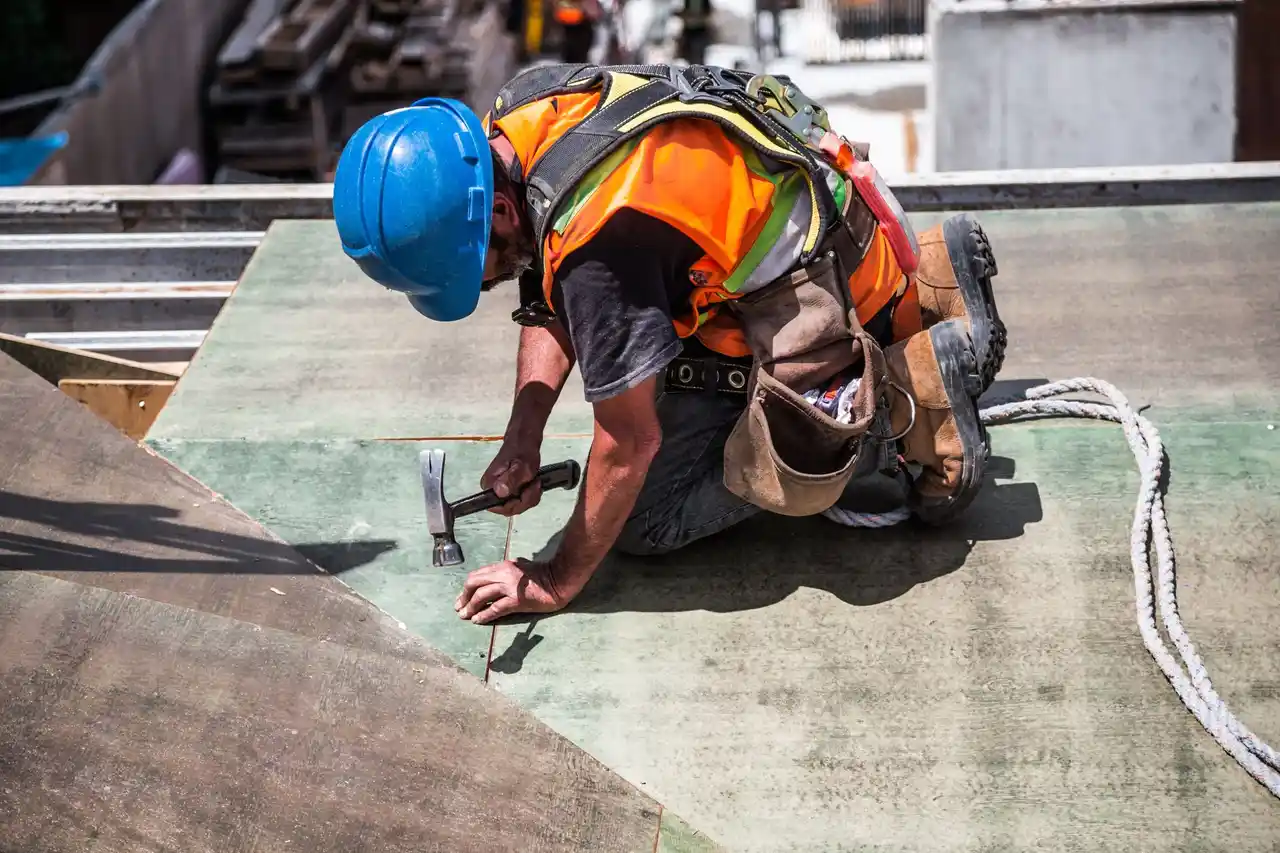
We confirm the entry point before any repair begins. A moisture meter and infrared scan narrow the suspect list, and a hose test confirms it. This method is why our penetration repairs hold instead of failing in the next storm.
We inspect the roof, confirm the penetration source with a moisture meter, and repair the failed boot or flashing the same visit when possible. The ceiling stain is addressed after the roof is dry. The leak stops, the stain stops growing, and the interior can be patched once it dries.
We respond with emergency Roof Penetration Leak Repair Alhambra CA, tarp the active area if rain is still falling, and return to complete the permanent repair. The tenant gets a dry space and the owner gets photos of the fix. The business stays open, the leak is stopped, and the repair is documented for the owner.
We remove the failed boot entirely, install a new one, and seal it correctly to the shingle field. A hose test confirms the repair before we leave. The repeat patch cycle ends and the vent stops leaking through the next rainy season.
We inspect the curb penetration, restore the heat-welded detail with membrane-compatible material, and check nearby seams at the same time. The curb detail holds, the ponding drains, and the roof is ready for the next storm.
Alhambra sits in a heat pocket of the San Gabriel Valley, and that shapes how penetration leaks happen here. Summer roof surface temperatures push past 140 degrees, which bakes rubber vent boots until they crack. Then winter rain arrives in concentrated storms, and water finds every failed seal at once. Older homes near Main Street and the tracts off Valley Boulevard often have original 1950s and 1960s penetrations that have never been re-flashed. Newer commercial buildings along Valley Boulevard have flat membrane roofs with HVAC curbs and drains that need their own detail work. We handle both. If you have been looking for roof penetration leak fixing near me open now Alhambra, we run regular routes through ZIP codes 91801, 91803, and 91804, and we can usually reach most Alhambra addresses the same day. Los Angeles County storm calls get priority, and we tarp first when water is actively coming in.
A homeowner in the 91803 ZIP code had a ceiling stain that grew with every storm. Two prior companies had patched the ceiling and coated the vent pipe with roof cement. The stain kept spreading, and the attic insulation above the hallway was soaked.
We removed the failed boot, installed a new collar sized to the pipe, and sealed it to the shingle field. A hose test confirmed the repair. The ceiling stopped staining within a day, and the insulation was replaced the following week.
Check the boot each fall for cracking or pulling away from the pipe. A boot that still looks pliable is doing its job. If it feels stiff or shows cracks, it is time to replace it.
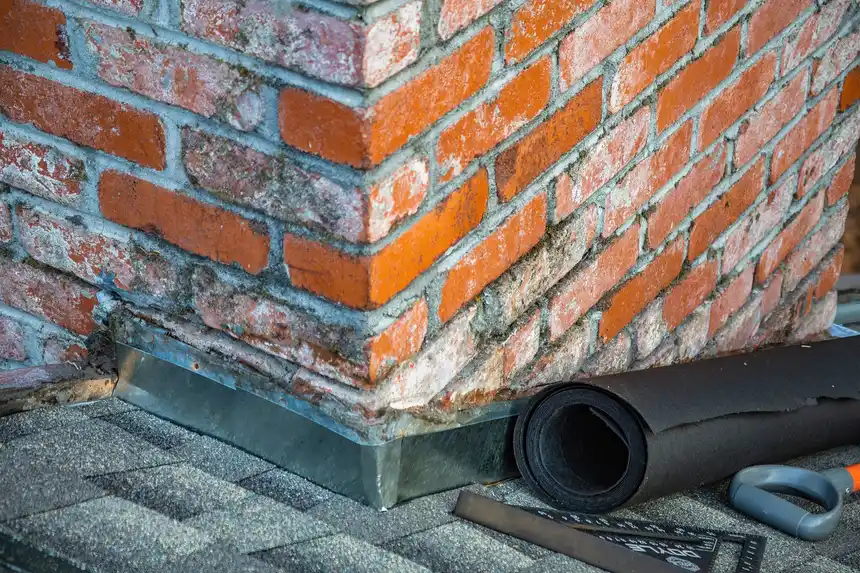
A San Gabriel homeowner noticed water running down the inside of the chimney chase after heavy rain. The tile roof looked fine from the ground, but the counter-flashing at the chimney had pulled away from the masonry. Water was entering behind it and into the framing.
We reset the counter-flashing, sealed the joint with the correct material for tile and masonry, and confirmed the fix with a water test. The chase stayed dry through the next storm. The repair took about three hours.
Inspect the chimney flashing each spring for gaps or lifted metal. Re-sealing a small gap early is far cheaper than repairing water damage inside the chase.
A property manager on Valley Boulevard had water pooling near an HVAC curb after every storm. The heat-welded detail around the curb had separated, and water was entering the building at the unit above a storefront. The tenant had already reported a ceiling tile collapse.
We restored the curb detail with membrane-compatible material, re-welded the seams, and checked nearby penetrations at the same time. The ponding drained, the storefront stayed dry, and we provided photos of the repair for the owner's records.
Have the roof inspected twice a year, before and after the rainy season. Curb details and seams are the first places to check on any flat membrane roof.
Most penetration leaks fall into a handful of patterns. If any of these sound familiar, we can confirm the source and fix it before the damage spreads.
We trace the stain back to its penetration with a moisture meter and infrared thermal imaging camera, then repair the failed boot or flashing at the source. The ceiling can then dry instead of spreading. The moisture feeds mold and rots the deck above, turning a small fix into a larger repair if it is left through a season.
We remove the cracked collar, install a new boot sized to the pipe, and seal it to the surrounding shingles. The repair is water-tested before we leave, and it usually takes one to two hours. The crack lets water straight into the attic, and it often goes unnoticed until the insulation is soaked and the ceiling below shows damage.
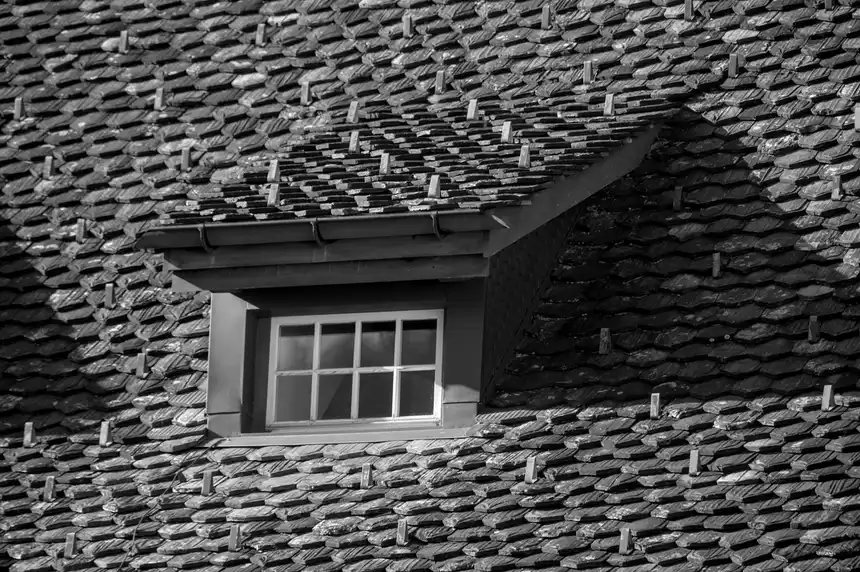
We reset or replace the flashing, seal the joint with the right material for the surface, and confirm the fix with a hose test. Chimney and wall details get the same source-first approach as pipe penetrations. Water works behind the flashing and into the framing, and the damage is hidden until the wall or ceiling shows it.
We reseal the penetration around the frame and curb rather than replacing the skylight unnecessarily. If the unit itself has failed, we tell you that and quote the replacement separately. A dripping skylight ruins the interior finish below and can damage the frame if the leak continues.
One slow penetration leak can soak insulation, stain drywall, and feed mold inside a week. We seal the entry point so the moisture source is gone, not just the visible stain. Most customers see the drip stop the same day we finish, and the ceiling can dry out instead of spreading.
Water that reaches the plywood or OSB deck causes rot, and rot spreads faster than most people expect. Catching a flashing leak or vent boot leak early keeps the repair to the penetration itself instead of a full deck section. That is the difference between a small job and a structural one.
Smearing roof cement over a cracked boot buys a season at best. We remove the failed collar, install a new boot or flashing, and seal it with the right material for your roof type. You stop paying for the same repair twice, and the next storm does not undo the work.
A leak above a bedroom or hallway disrupts the whole house. We schedule around you, protect the floors and furniture below, and work clean. For property managers in Alhambra, that means fewer tenant calls and a documented fix you can hand to the owner.
Clear records you can keep and share.
What failed, what we replace, and the price.
Before and after images of the penetration.
Confirmation the repair stays dry.
Water that enters at a penetration travels along the roof deck before it drips. That is why the ceiling stain is often far from the actual opening.
It runs along the framing until it finds a low point. The drip location rarely matches the entry point, so tracing matters more than patching.
Heat stiffens a rubber boot until it cracks. Once cracked, the opening grows with each hot and cold cycle instead of staying the same size.
Coating over a failed boot covers the symptom. The water still enters, and the next storm finds the same path again.
Not sure if we cover your area? Call and ask. (626) 640-8498
Most penetration repairs run $250 to $650 in 2026, depending on roof height, access, and how many penetrations failed. A single vent boot replacement sits at the low end. Multiple flashing repairs, tile work, or a flat membrane detail push toward the higher end. We confirm the price after inspection and before any work begins.
The usual cause is a failed vent boot or dried flashing. Alhambra heat bakes rubber collars until they crack, and roof cement loses its grip over time. Once the seal breaks, water slips past the penetration and travels along the deck. That is why the leak often shows up far from the actual opening.
We do. Roof Repair Alhambra Pros handles penetration leaks across Alhambra and the surrounding San Gabriel Valley, including San Gabriel, Monterey Park, and Rosemead. We inspect, confirm the source, and complete most repairs the same day. Call (626) 640-8498 to schedule.
Yes, pipe boot leaks are one of our most common calls. We remove the cracked rubber collar, install a new boot sized to the pipe, and seal it to the surrounding shingles or membrane. The repair usually takes one to two hours and is tested with water before we leave.
A penetration leak does not fix itself, and the next storm is the wrong time to find out. We inspect, confirm the source, and repair it with materials matched to your roof. Call (626) 640-8498 for a same-day estimate.
Call us at (626) 640-8498 or email [email protected]. We answer the phone during business hours and respond to emergency calls after hours. Same-day estimates are available for most jobs in Alhambra and surrounding areas.