Written scope
What we found, what we will repair
Residential Roof Leak Repair Alhambra CA starts with finding the actual source, not the stain on your ceiling. We handle shingle damage, failed flashing, vent boot leaks and flat roof ponding across Alhambra and Los Angeles County. Whether you need home roof leak repair Alhambra after a storm or a slow drip that has been spreading for weeks, we inspect, document and fix it the same day whenever possible.
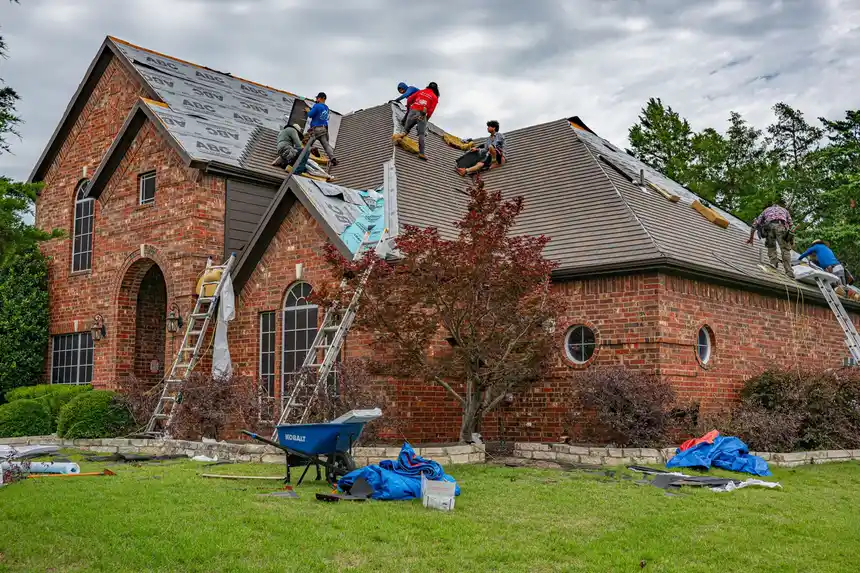
Every leak repair includes the full detection and repair sequence, from attic inspection to final water test. Add-on work like full roof replacement or interior drywall repair is quoted separately if needed. Here is what you get as standard.
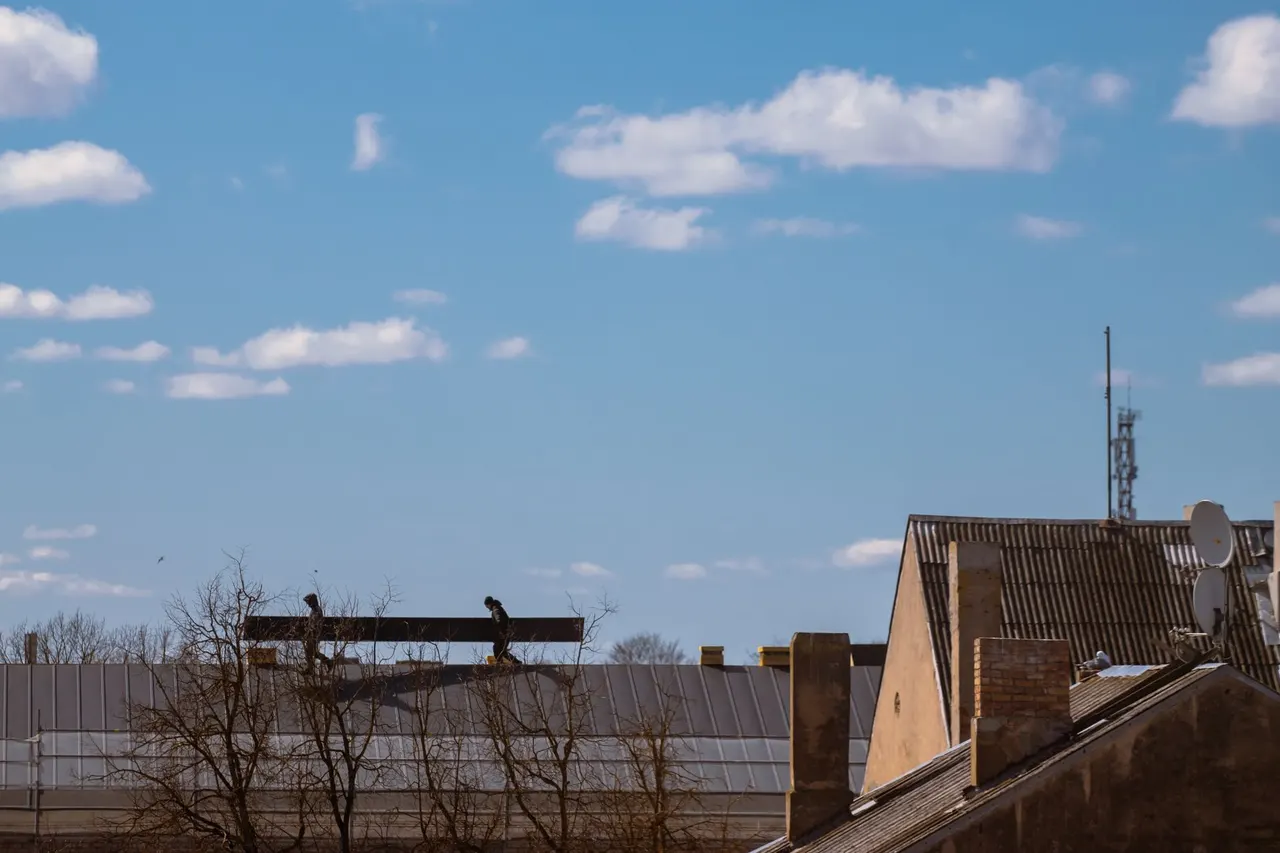
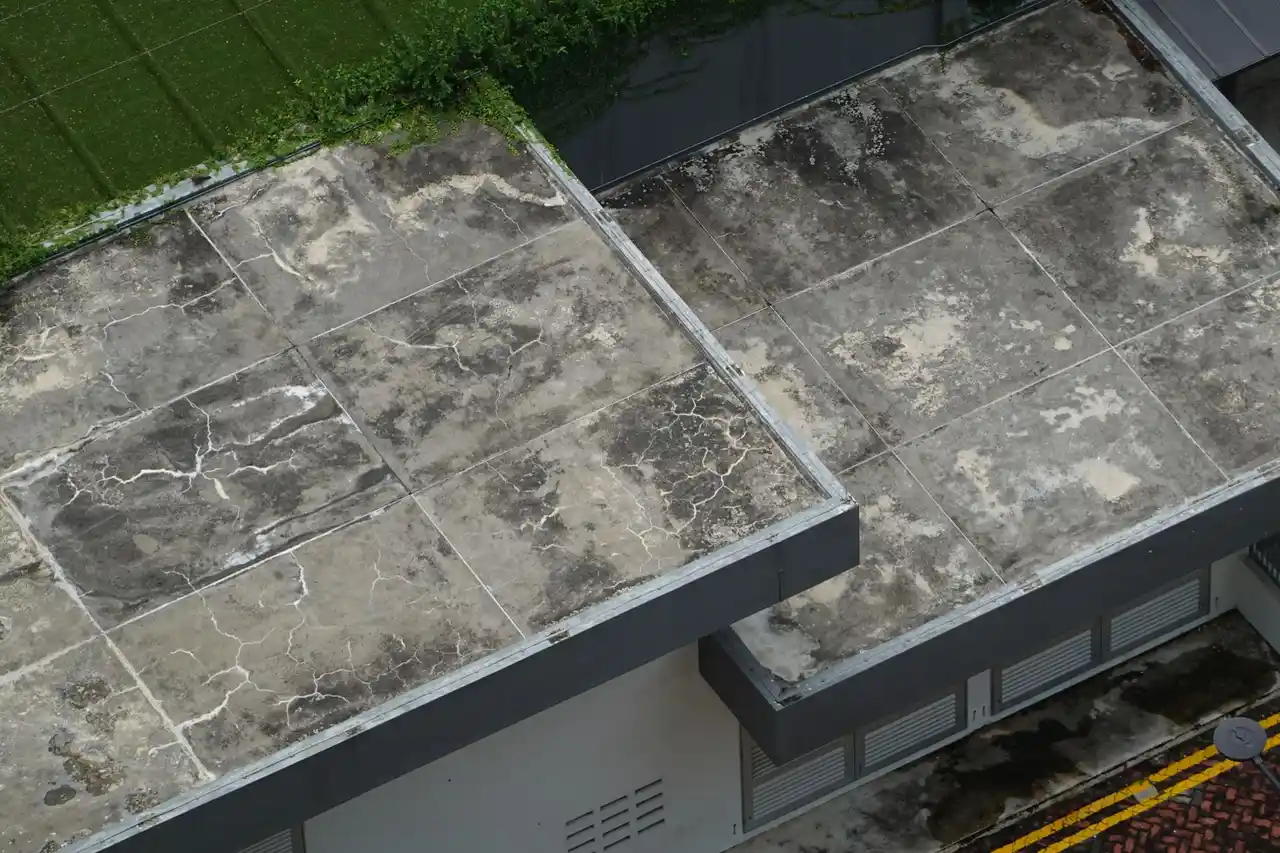
We work on single-family homes, duplexes and small multi-unit buildings across Alhambra. Every visit starts in the attic, where we map moisture before touching the roof surface.
We repair leaks on commercial and rental properties in Alhambra, scheduling work around your operating hours. Tenants and customers stay dry while we work.
Residential Roof Leak Repair Alhambra CA is the process of locating water entry points on a home's roof and permanently sealing them, rather than patching the interior symptom. We start with a moisture meter and infrared thermal imaging camera to map wet areas inside the attic, then move to the roof surface to check asphalt shingles, roof flashing, underlayment and sealant at every penetration. A leak that shows up near a vent boot or roof valley often starts 10 to 15 feet uphill, so we trace the water path before we touch a pry bar.
Alhambra homes take a specific beating: summer attic temperatures push past 140 degrees, winter rain arrives in concentrated bursts, and decades-old clay tile and modified bitumen roofs crack at the seams. If you have been searching for home roof leak repair near me Alhambra and watching a brown ring grow on your ceiling, the damage compounds every rain cycle. We see it in the 91801 and 91803 ZIP codes constantly, especially on homes near Main Street and Valley Boulevard where original roofing is now 25 to 40 years old.
We find where water actually enters, repair that point, and test it before we leave.
Every job follows the same five steps, from the first phone call to the final water test. You will know what is happening at each stage and what it costs before we start.

You describe where the water shows up, when it started, and whether it is active right now. We ask about ceiling stains, attic moisture, and whether the leak follows heavy rain or appears daily. That conversation tells us whether to schedule a standard inspection or treat it as an emergency call-out.
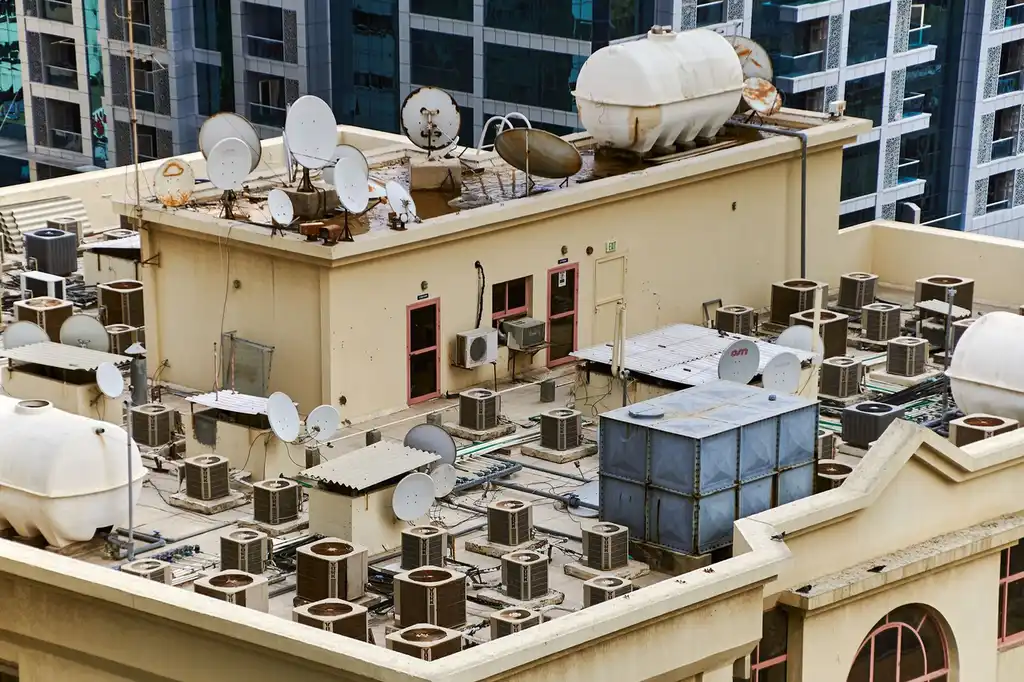
We inspect from the inside first, using a moisture meter and infrared thermal imaging camera to map wet decking, insulation and rafters. Then we go up with a roof ladder and check the field shingles, roof flashing, vent boots, valleys and any skylight or chimney penetration. This takes 45 to 90 minutes on a typical Alhambra home.
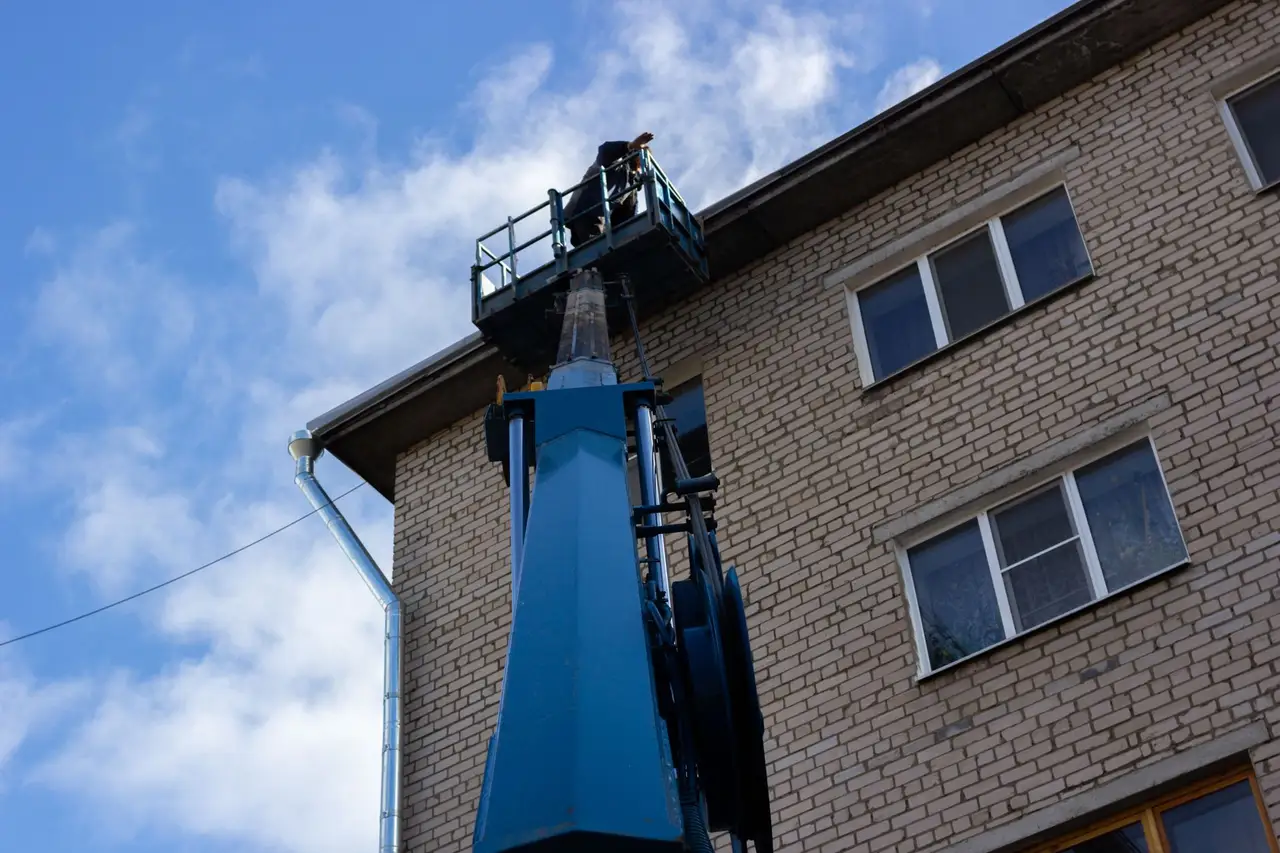
We do not repair until we can prove the entry point. A hose test or controlled water application confirms the path, and we photograph the failure before touching it. If two areas are suspect, we test both. You see the images and the written scope before any material is ordered.
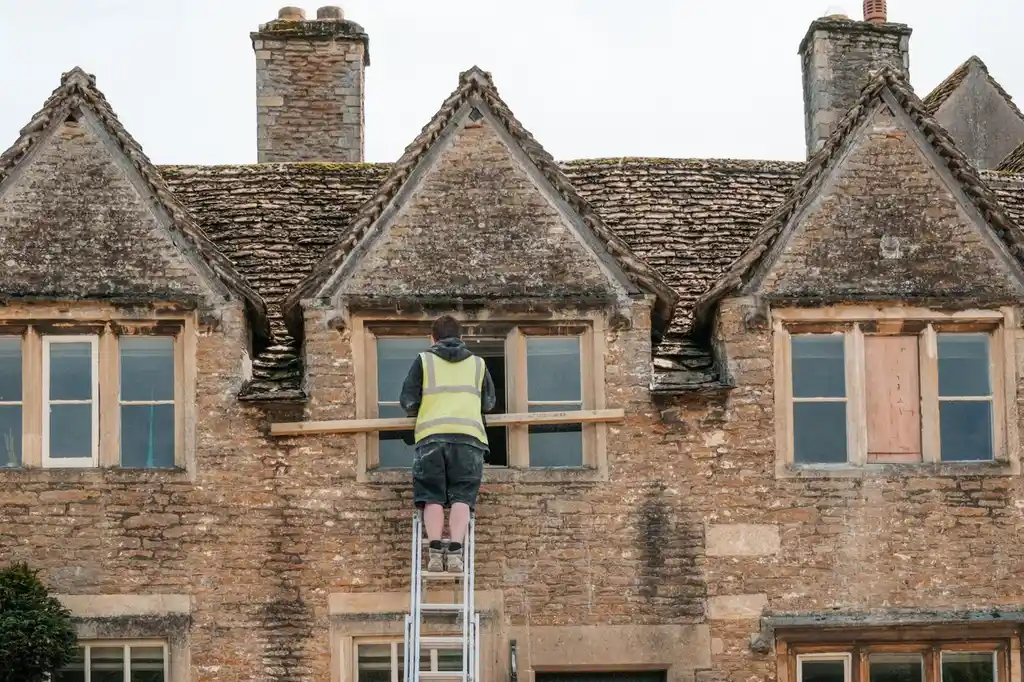
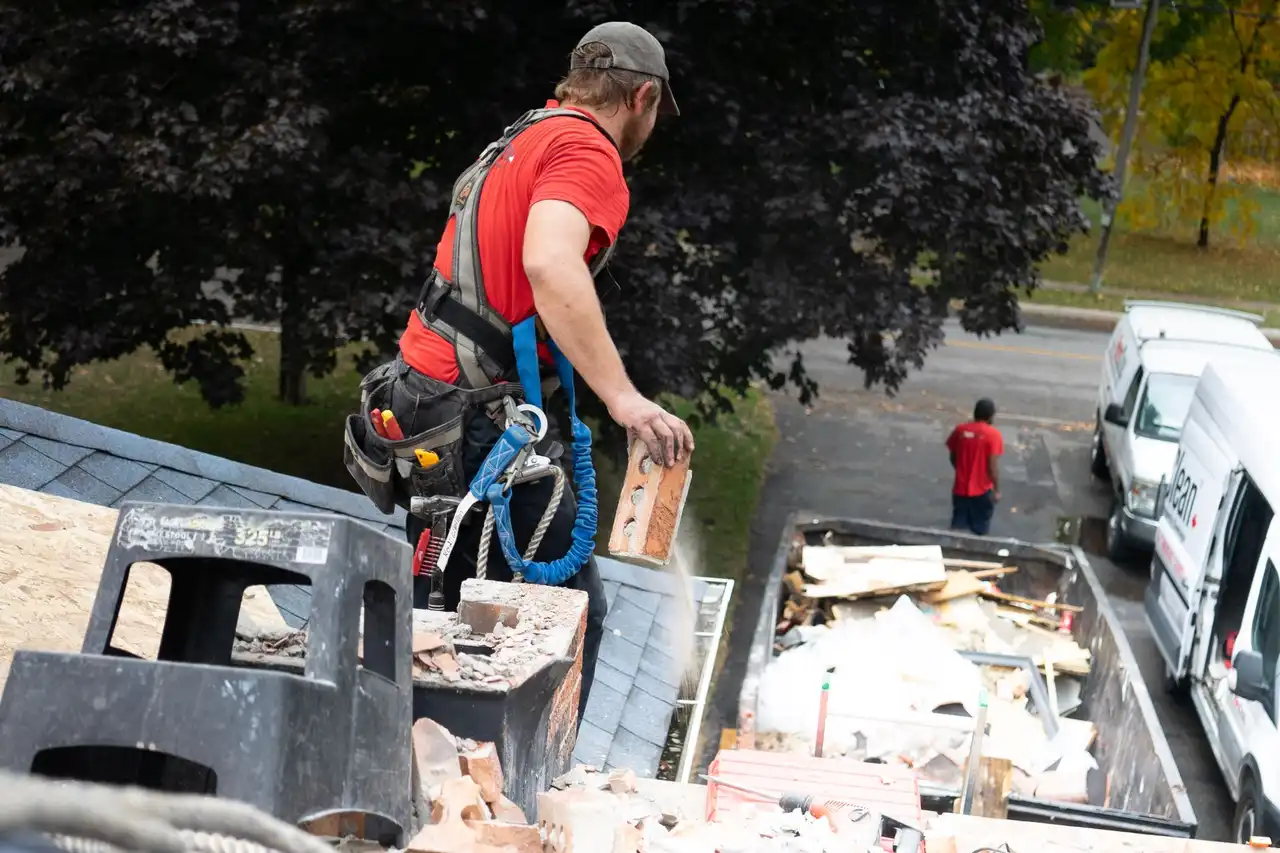
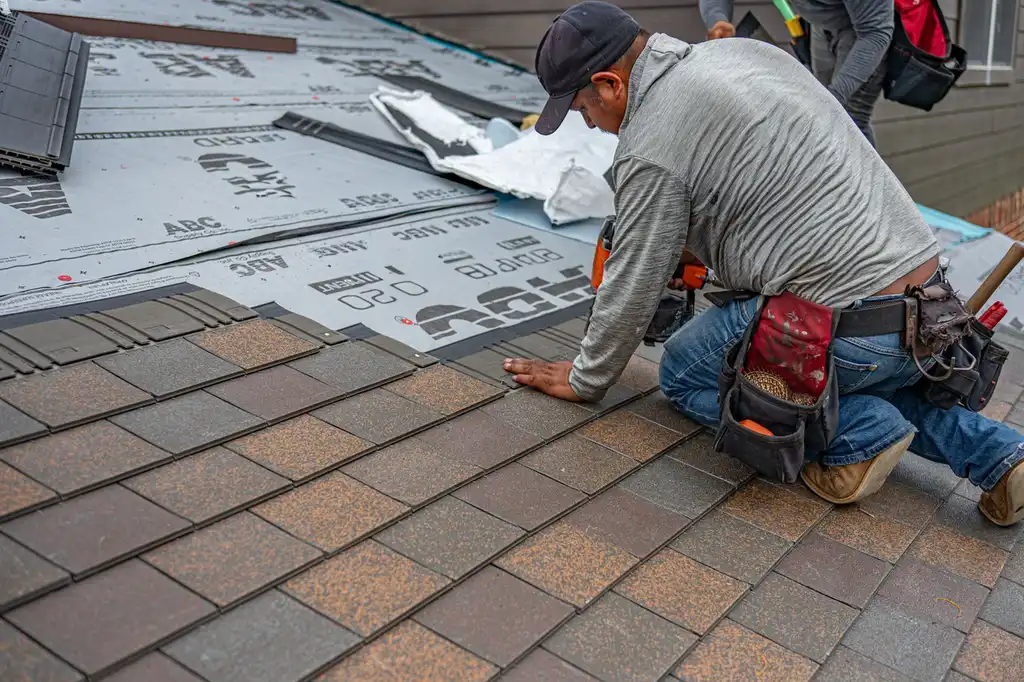
We remove the failed shingles, flashing or sealant, replace the underlayment, and install new material with a caulking gun, pry bar and nail gun. Roof cement and sealant go on only where the system calls for it. Most repairs take two to four hours; larger valley or flat roof work can run a full day.
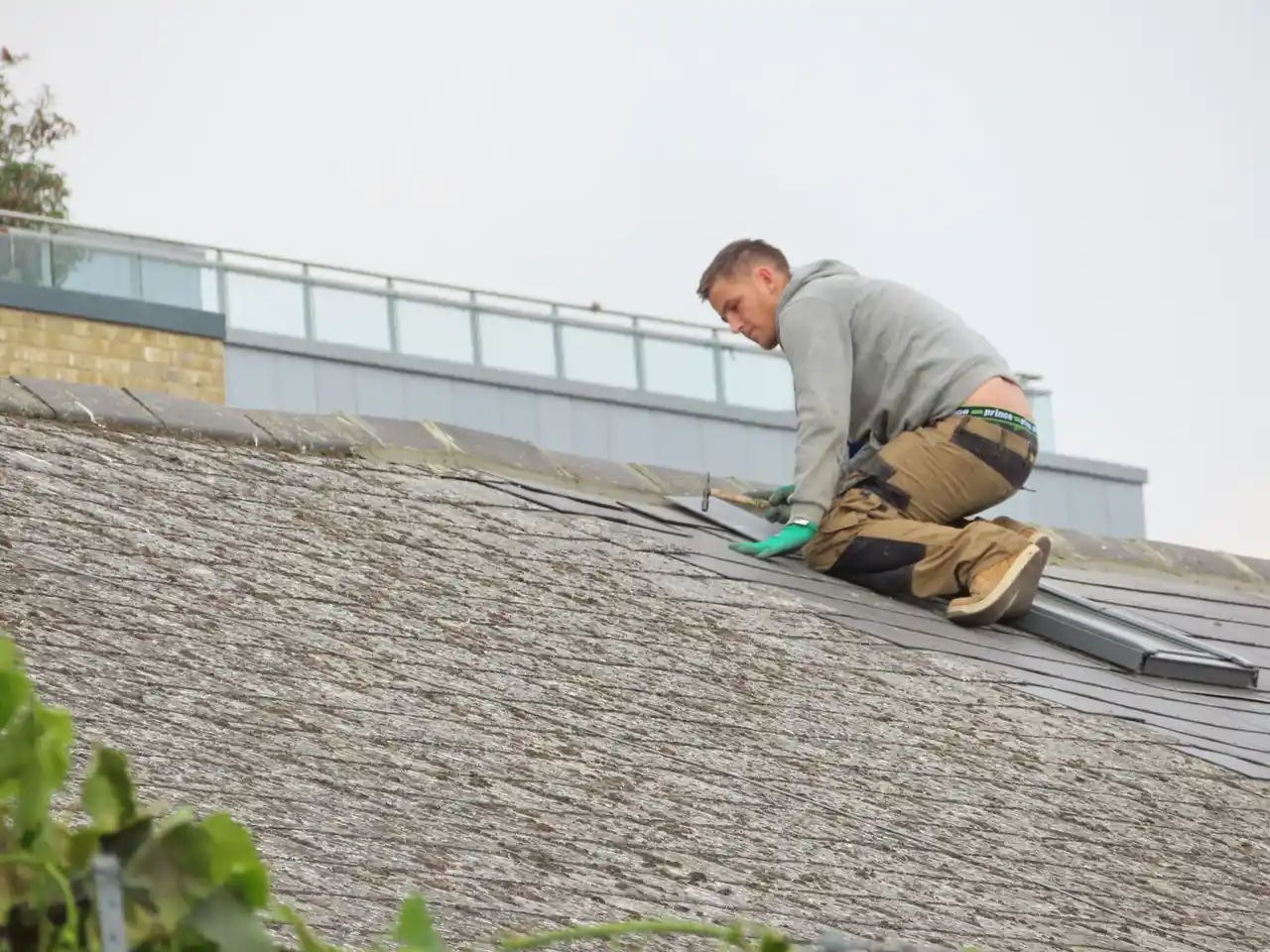
We re-run water over the repaired area and check inside for any remaining moisture. Then we clean the gutters of debris, haul away old material, and walk you through what we did with photos. You get a written summary of the repair and what to watch for over the next rain cycle.
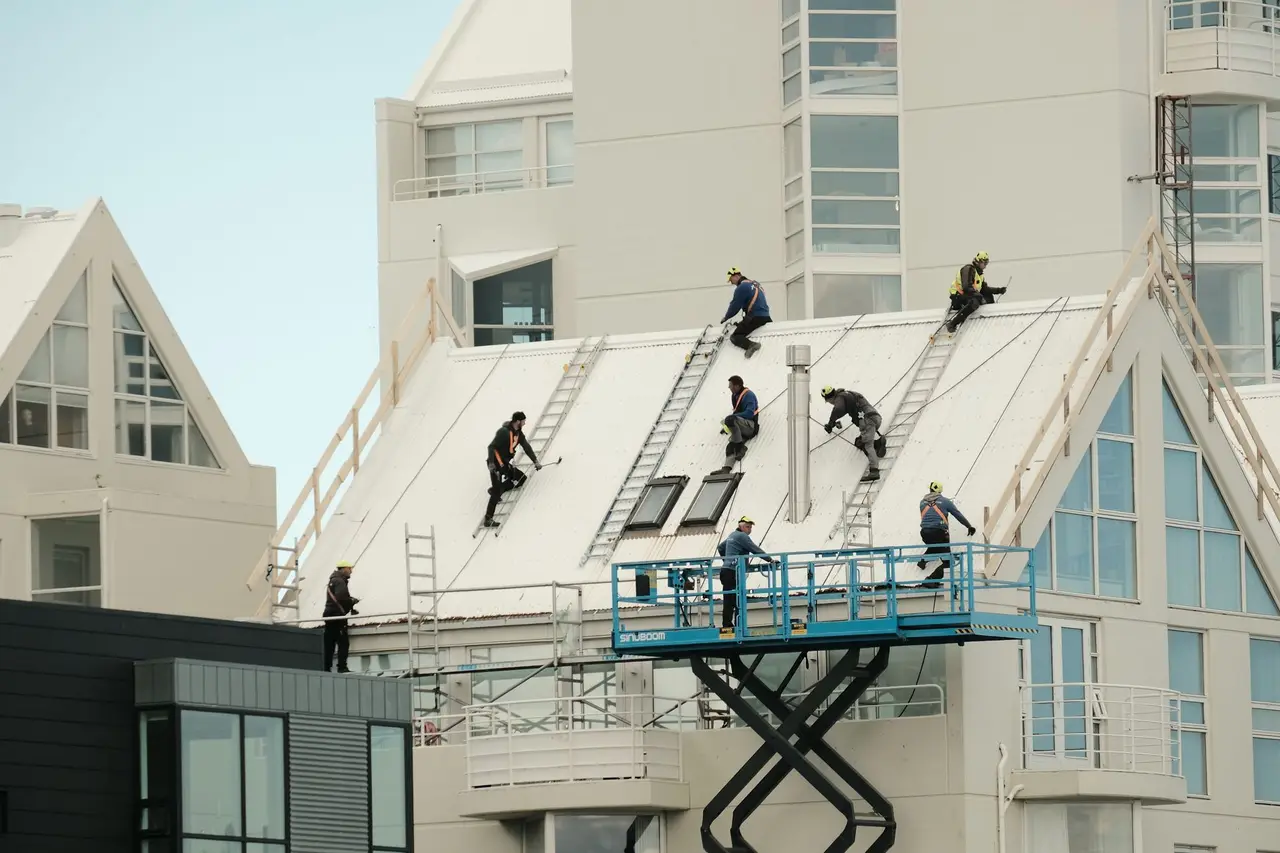
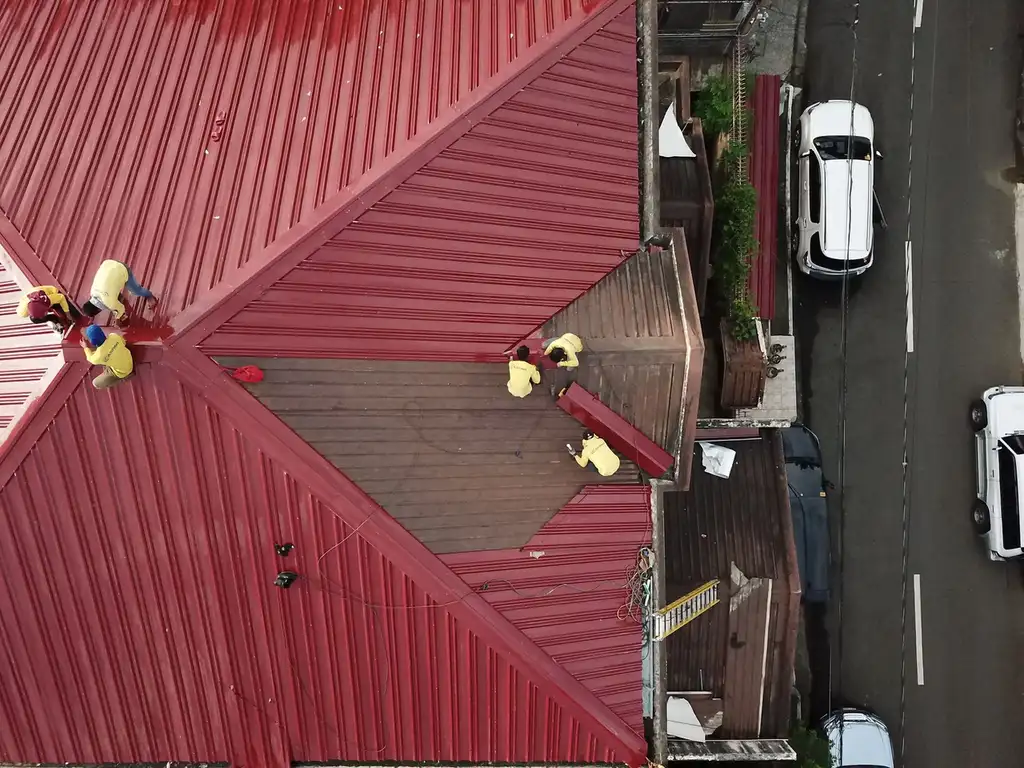
Reveals temperature differences caused by trapped moisture inside the roof assembly, letting us locate wet areas without opening the roof.
Confirms and quantifies moisture levels in decking, insulation and drywall, so we know how far water has traveled and whether the area is drying properly.
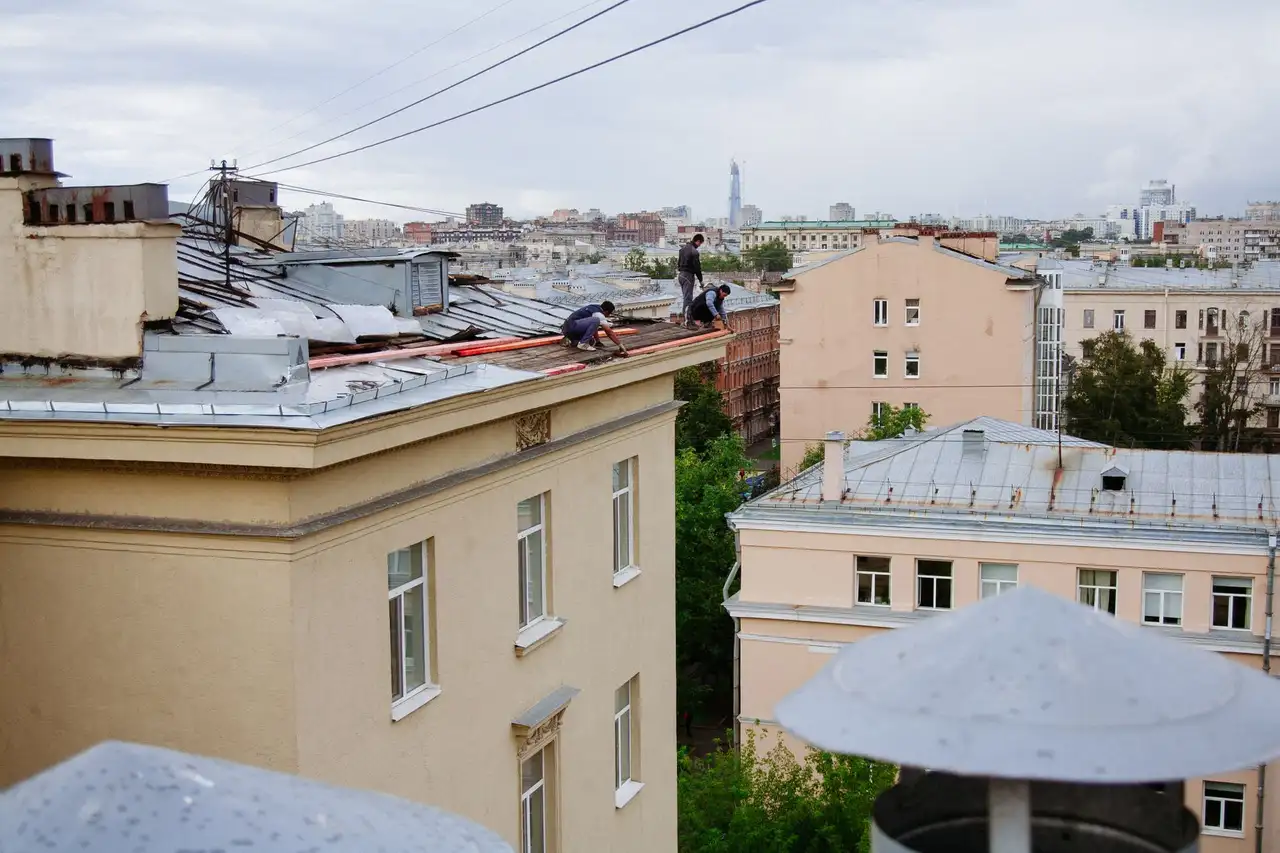
Provides safe roof access on the varied pitches and heights found on Alhambra homes, from low-slope additions to steep tile roofs.
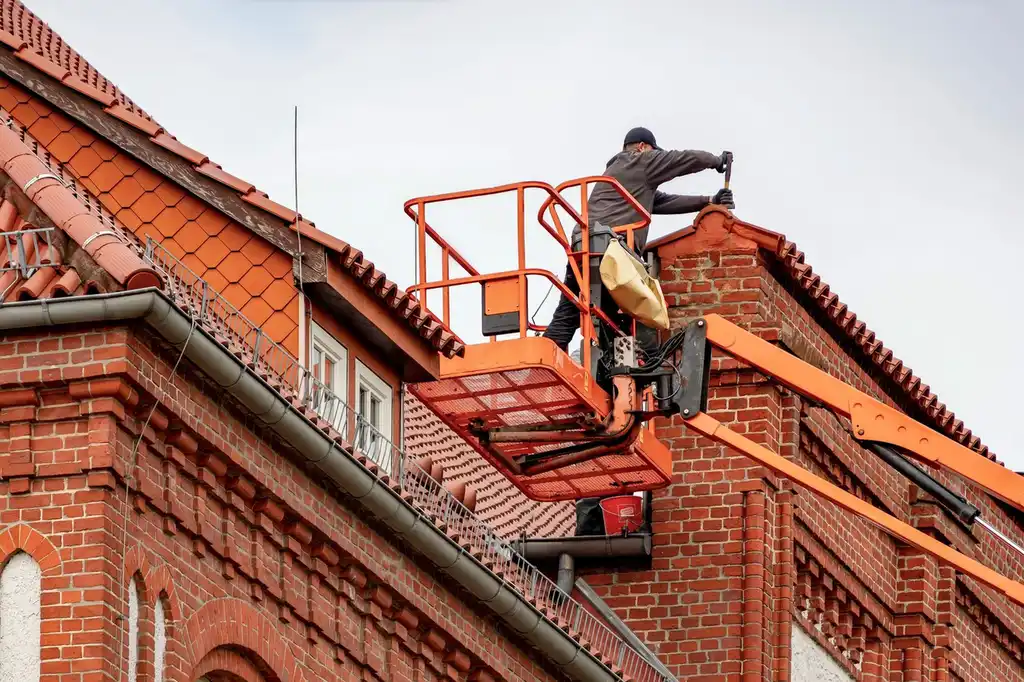
Used to carefully lift shingles and tiles and cut away failed underlayment or sealant without damaging surrounding material.
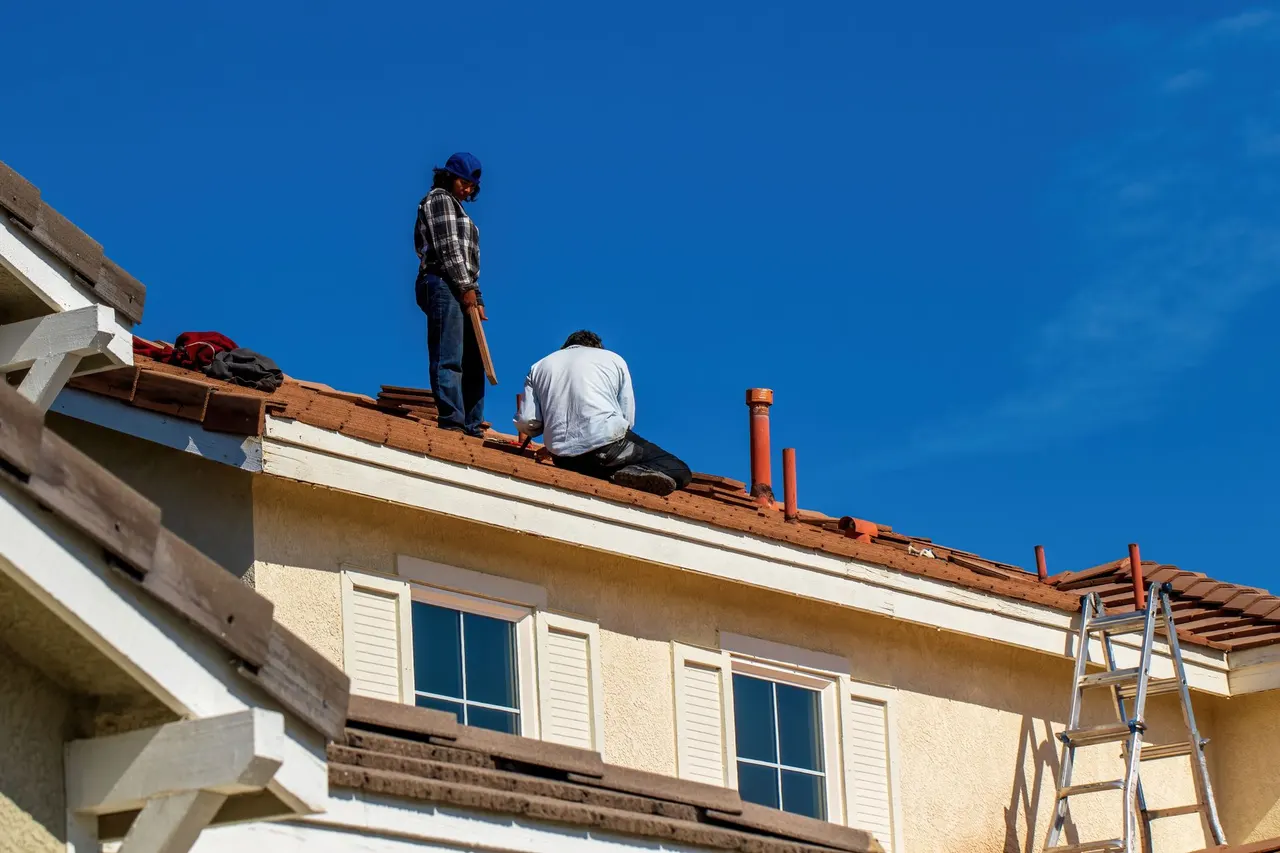
Applies roof cement and sealant precisely at flashing joints, seams and penetrations where the roof system requires a sealed detail.

Refastens shingles, flashing and decking to code, ensuring the repaired area holds through wind uplift and thermal movement.
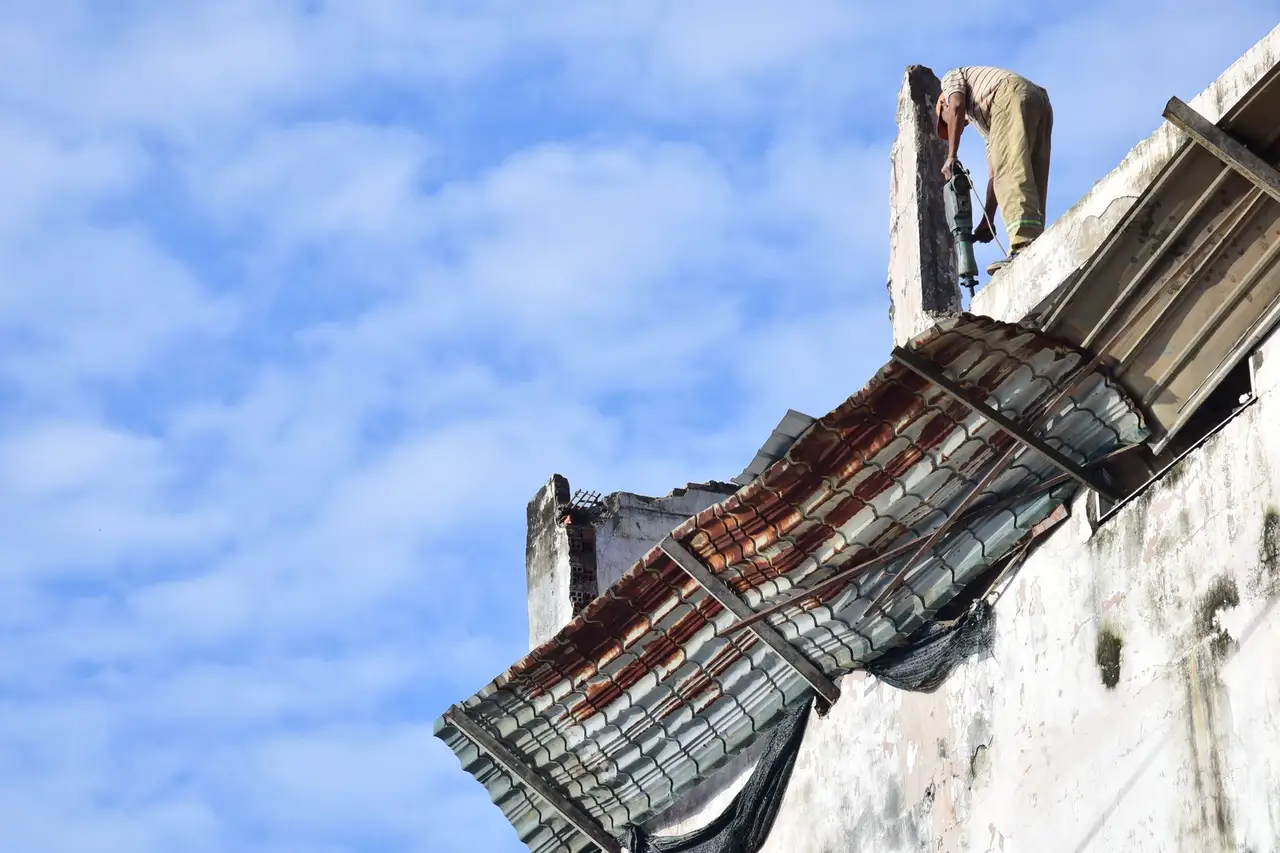
Tarps stop active leaks during storms, and a controlled hose test confirms the leak source and verifies the repair before we leave.
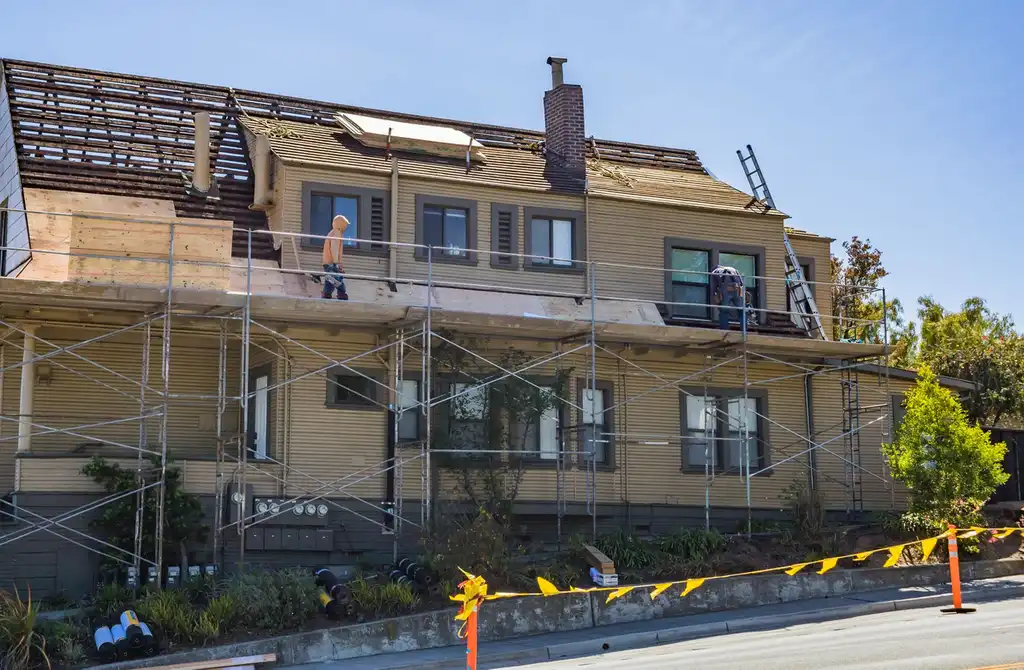
We scan the attic and roof deck with a thermal imaging camera to find moisture patterns invisible to the eye. This narrows the search area before we get on the roof, saving time and reducing unnecessary material removal.
We inspect the attic and roof the same day, confirm the entry point with a water test, and repair the failed material. Most ceiling-stain leaks trace back to a vent boot, flashing or shingle failure that takes two to four hours to fix. The leak stops, the ceiling can dry, and you avoid the mold and drywall replacement that follows a leak left through the rainy season.
This is an emergency. We tarp the roof to stop the water, protect the interior, and return for the permanent repair once the weather clears. We also advise on electrical safety if water is near a fixture. Water intrusion stops the same day, your interior is protected, and the permanent repair is completed within days rather than weeks.
We perform a full leak detection inspection with thermal imaging and moisture meters to find the source before it becomes a visible problem. Early detection repairs are typically the least expensive. You get a documented repair and a clear picture of your roof's condition, which is useful for negotiations or future planning.
Repeat leaks usually mean the original repair addressed the symptom, not the source. We re-inspect from scratch, trace the actual water path, and repair the real entry point with a water test to confirm. The leak is fixed correctly, and you stop paying for the same repair every season.
Alhambra sits in Los Angeles County with a climate that stresses roofs in two directions: summer attic temperatures that exceed 140 degrees and winter rain that arrives in concentrated bursts. That combination cracks sealant, warps flashing and opens seams on older roofs. The housing stock adds another layer of complexity. Many homes near downtown Alhambra and along Garfield Avenue were built in the 1920s and 1930s with wood decking and original clay tile or modified bitumen roofing. When those roofs leak, the underlayment has usually failed beneath intact surface material, so the repair requires lifting tiles or membrane rather than replacing shingles. Newer homes in the Emery Park and Granada Park areas often have flat roof sections over additions, and those sections pond water and leak at seams. We also see a steady stream of home roof leak repair near me open now Alhambra calls after the first major storm of the season, when homeowners discover leaks that developed quietly over the summer. Our approach is the same across all of it: find the actual source, repair it to code, and water test before we leave.
A homeowner in the 91801 ZIP code had a brown stain spreading across the ceiling below the bathroom. Two prior repairs had targeted the shingles above the stain with no success. The leak returned after every rain.
We inspected the attic with a thermal camera and found moisture concentrated around a plumbing vent, about 12 feet from the stain. The vent boot had cracked from UV exposure. We replaced the boot, resealed the collar, and water tested the repair. The leak stopped completely.
Check vent boots every two to three years for cracking. A $15 boot replacement prevents the ceiling and insulation damage that follows a hidden leak.
A San Gabriel homeowner had water entering near the chimney during every storm. Previous sealant applications had failed within months. The ceiling near the fireplace showed recurring stains, and the drywall was starting to soften.
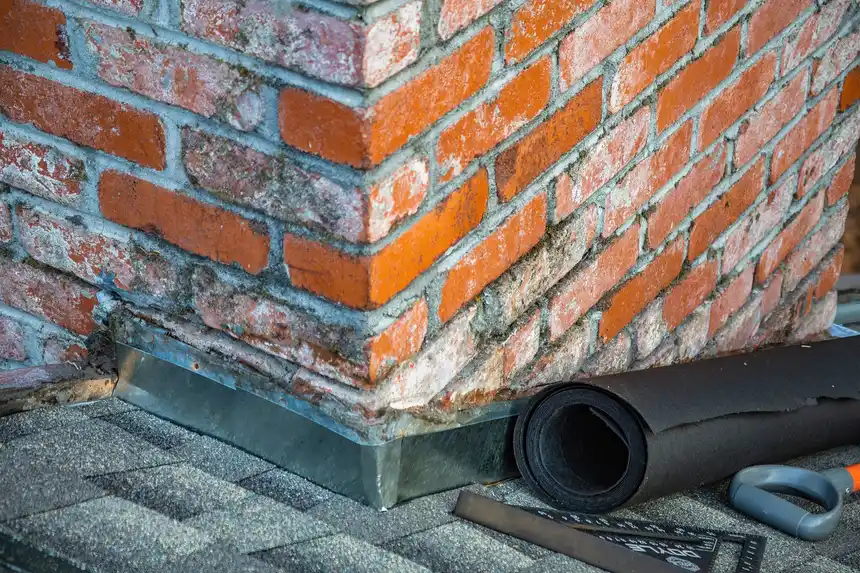
We removed the failed sealant, rebuilt the step flashing and counter-flashing to code, and sealed the assembly with materials rated for the heat cycle. A controlled water test confirmed no water entered. The ceiling dried and was painted two weeks later.
Inspect chimney flashing annually before the rainy season. Reseal only when the flashing itself is sound; if the metal is loose or rusted, rebuild rather than reseal.
A Monterey Park rental property had a flat roof addition that leaked at a seam after every storm. Water ponded on the roof for days after rain, and the tenant reported a drip into the closet below.
We located the failed seam, cleaned and dried the area, and repaired it with compatible modified bitumen material and roof cement. We also corrected the drainage slope so water moved off the roof. The repair held through the next rainy season with no further leaks.
Clear debris from flat roof drains twice a year and inspect seams each fall. Standing water is the leading cause of flat roof leaks.
Most leaks we see in Alhambra fall into a few categories. Identifying which one you have determines the repair method, the cost and how long the fix will last.
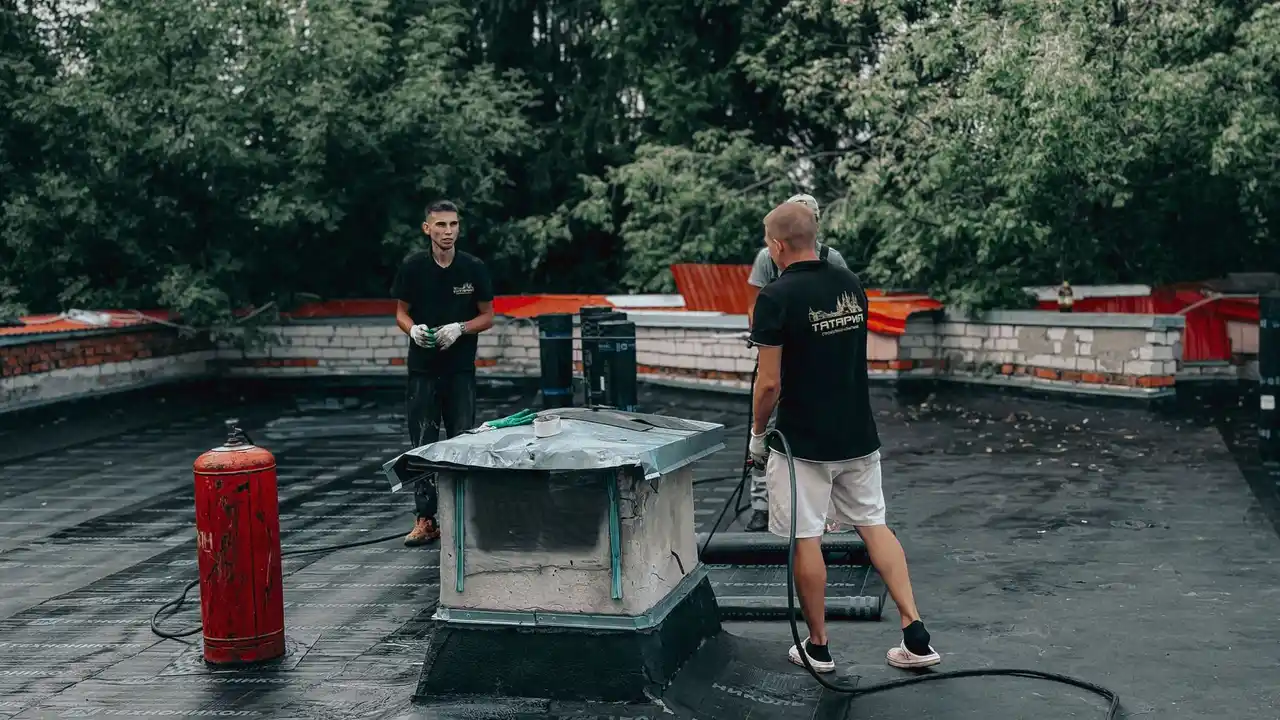
We trace the water path from the attic with a moisture meter and thermal camera, confirm the roof entry point with a water test, and repair the failed shingle, flashing or sealant. We document the moisture readings so you know when the ceiling is dry enough to paint. Water is actively entering and soaking insulation, drywall and framing. Mold can develop within 48 hours of sustained moisture, and the stain will return after every storm until the roof entry point is sealed.
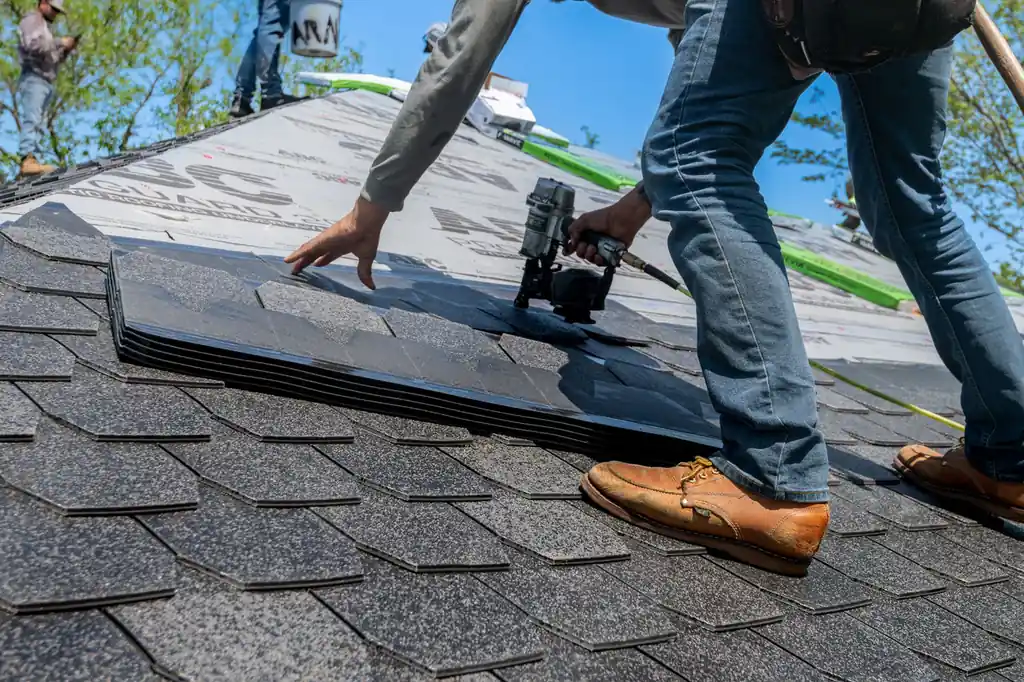
We inspect every penetration, repair or replace the flashing and boots, and reseal the assembly with materials rated for the local heat cycle. A water test confirms the repair before we close the job. These penetrations are the most common leak sources on Alhambra roofs. Failed flashing or a cracked vent boot lets water run directly into the attic, often missing the roof surface entirely and appearing as a stain far from the actual leak.
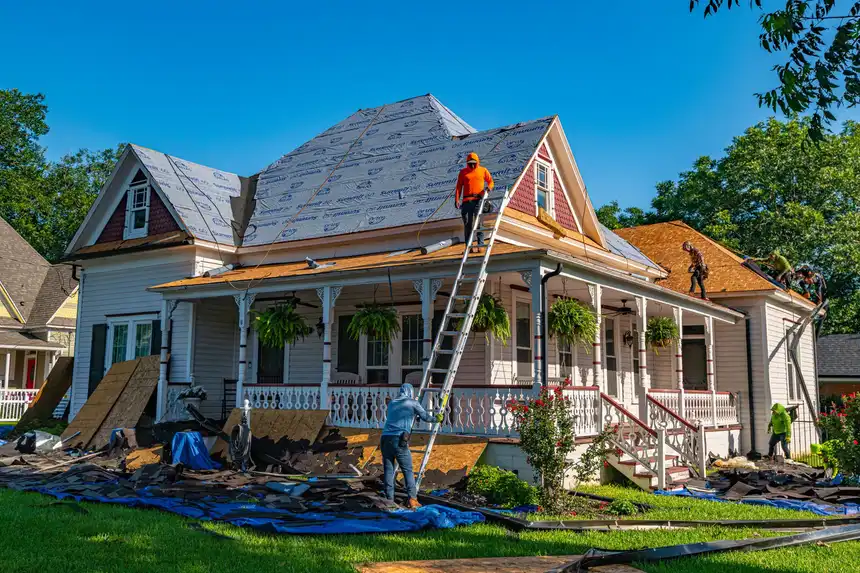
We locate the seam or membrane failure, repair it with compatible material, and correct the drainage so water moves off the roof. On modified bitumen and TPO systems, we use matching materials and proper seam techniques. Standing water finds every seam and pinhole in a flat or low-slope roof. Over time, ponding breaks down the membrane, and what starts as a slow drip becomes a steady leak that damages decking and interior ceilings.
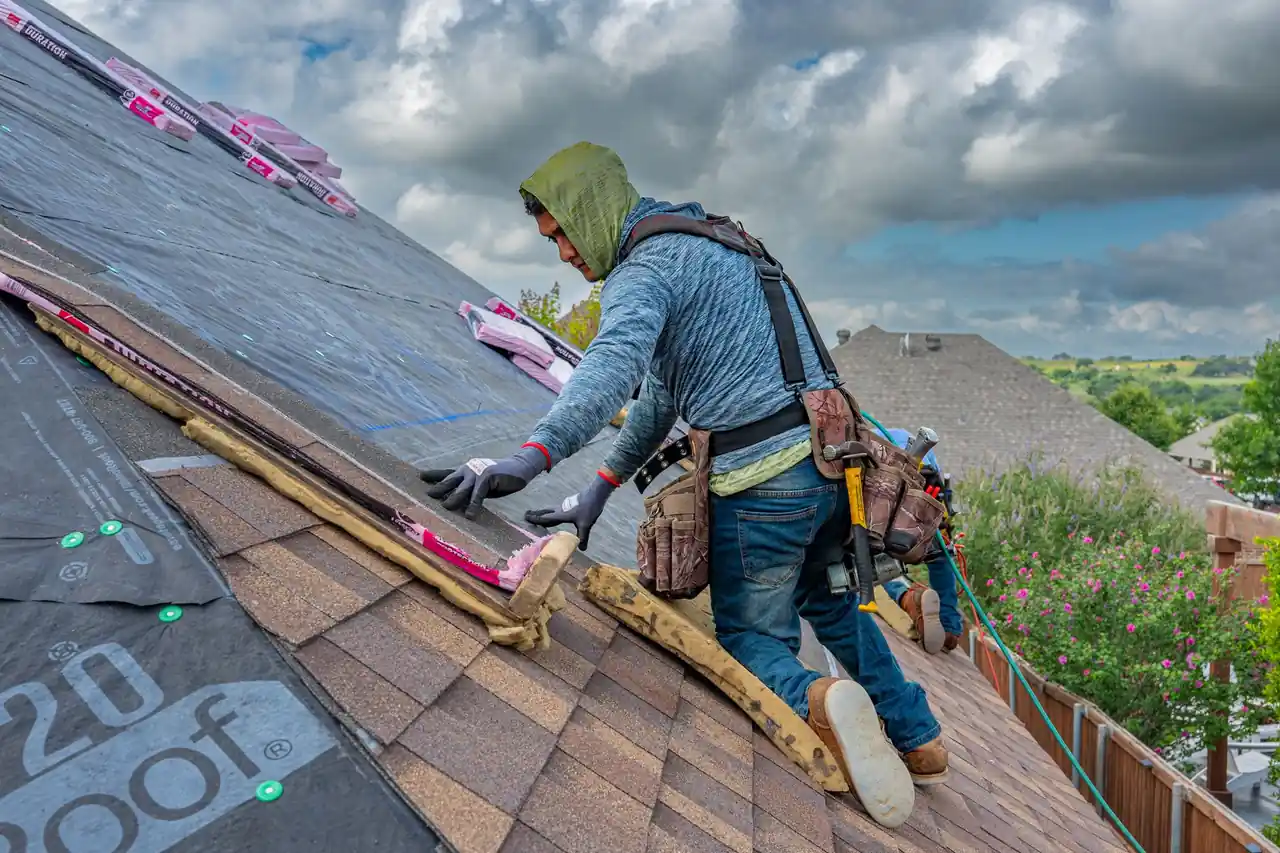
We use a hose test to simulate heavy rain on suspect areas and confirm the entry point in a single visit. That means we fix the leak on the first try instead of guessing and returning. Intermittent leaks are the hardest to diagnose because the evidence dries between storms. Homeowners often wait through multiple rain cycles before calling, by which time the damage has spread well beyond the original entry point.
Water travels along rafters before it drips, so a 1-square-foot leak can soak 20 square feet of insulation and ceiling drywall. We stop the entry point and dry the affected area, which prevents the rot and mold that turns a $400 repair into a $4,000 rebuild. Most Alhambra jobs are finished in a single visit.
When rain is coming through a ceiling light fixture at 9 p.m., you need emergency Residential Roof Leak Repair Alhambra CA, not a callback next week. We tarp the roof, stop the active intrusion and return in daylight to make the permanent repair. That sequence protects your furniture, your electronics and your attic insulation.
Guessing wastes money. We use an infrared thermal imaging camera and moisture meter to confirm the exact entry point before any material is removed. That means we replace only the shingles, underlayment or flashing that failed, not an entire roof section. You get a written scope with photos of what we found.
Alhambra roofing work falls under California Contractor License (C-39 Roofing) requirements and local building codes. We install flashing, underlayment and sealant to current standards, so a future inspection or home sale does not turn your repair into a liability. Materials come from GAF, Owens Corning and CertainTeed systems.
Clear records you can keep and share.
What we found, what we will repair
Before and after images of the repair
Confirmation the repair holds
The stain on your ceiling is rarely directly below the leak. Water travels along rafters and decking before it drips, so the entry point can be 10 to 15 feet away.
Water follows the path of least resistance along framing before it shows on your ceiling. The visible stain is the exit point, not the entry point.
A pinhole leak can soak insulation and drywall over weeks without visible dripping. By the time you see a stain, moisture has often spread several feet.
Applying sealant over a failed flashing or cracked boot hides the problem temporarily. The repair only holds when the failed component is replaced.
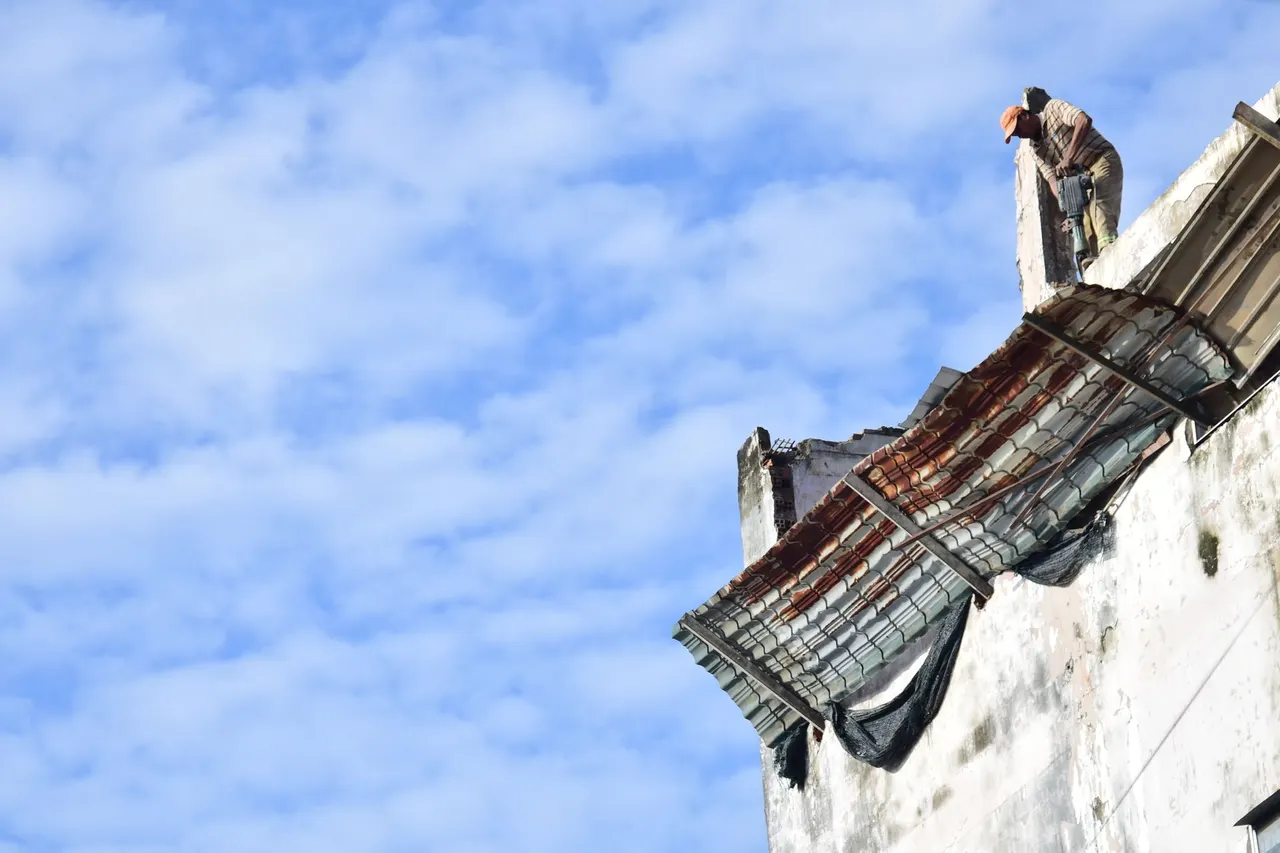
Not sure if we cover your area? Call and ask. (626) 640-8498
Most residential roof leak repairs in Alhambra run $350 to $1,200 in 2026, depending on access, roof type and how much material needs replacing. A simple vent boot or flashing reseal sits at the low end; a valley rebuild or flat roof section with ponding damage runs higher. Emergency tarping is quoted separately. We give you the full price before work begins.
We do. Roof Repair Alhambra Pros handles home roof leak repair Alhambra from our local base, covering the 91801, 91803 and 91802 ZIP codes plus San Gabriel, Monterey Park and Rosemead. Call (626) 640-8498 and we will schedule an inspection, usually within 24 hours for active leaks.
A standard repair takes two to four hours on site. Inspection and source confirmation add 45 to 90 minutes. Larger jobs, like a full roof valley rebuild or flat roof membrane section, can take a full day. We tell you the expected window when we confirm the scope, so you can plan around it.
Yes, but the repair fixes the cause, not the stain itself. We stop the water entry, then the ceiling needs to dry completely before primer and paint will hold. We document the moisture readings so you know when the drywall is ready. If the drywall is sagging or moldy, that section gets replaced after the roof is sealed.
Water is entering your home right now, and every hour adds damage. Call (626) 640-8498 for same-day inspection and a clear repair price. We tarp active leaks, find the source, and fix it properly.
Call us at (626) 640-8498 or email [email protected]. We answer the phone during business hours and respond to emergency calls after hours. Same-day estimates are available for most jobs in Alhambra and surrounding areas.