Thermal images
Photos of each wet area found
Infrared Roof Leak Detection Alhambra CA uses thermal imaging cameras to find water intrusion you cannot see from the ground. If you have a ceiling stain, a musty attic, or a leak that keeps coming back after every rain, we scan the roof, map the moisture, and show you exactly where the water is getting in. We serve homeowners and property managers across Alhambra and Los Angeles County.
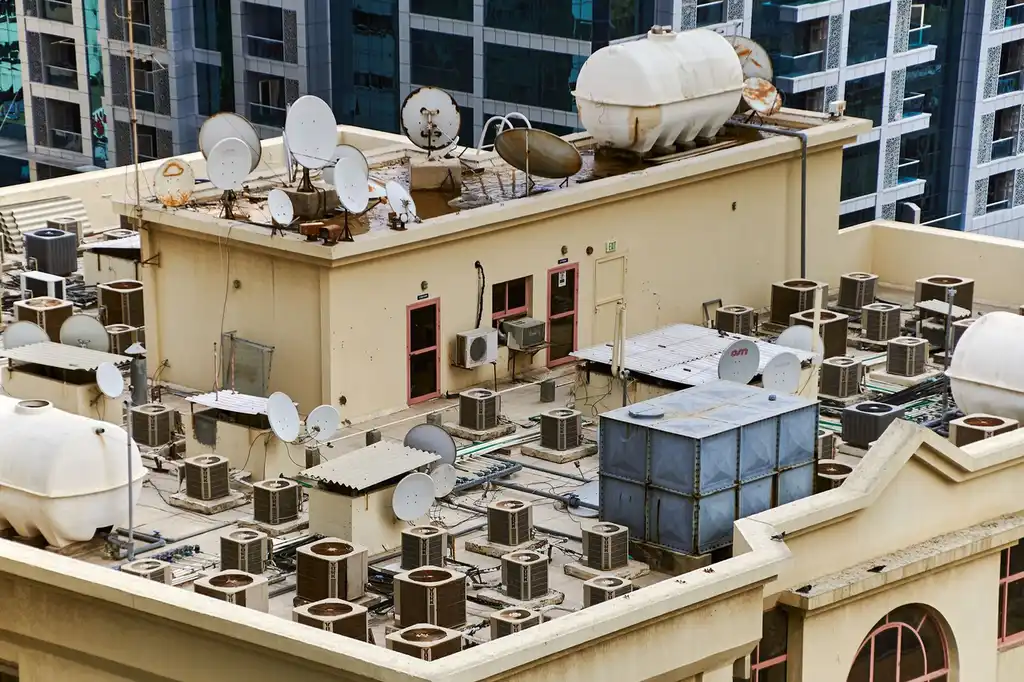
Every scan covers the full roof and the interior side where accessible. The goal is a confirmed source, not a list of maybes. If we find more than one entry point, we document each one and price the repairs separately so you can prioritize.

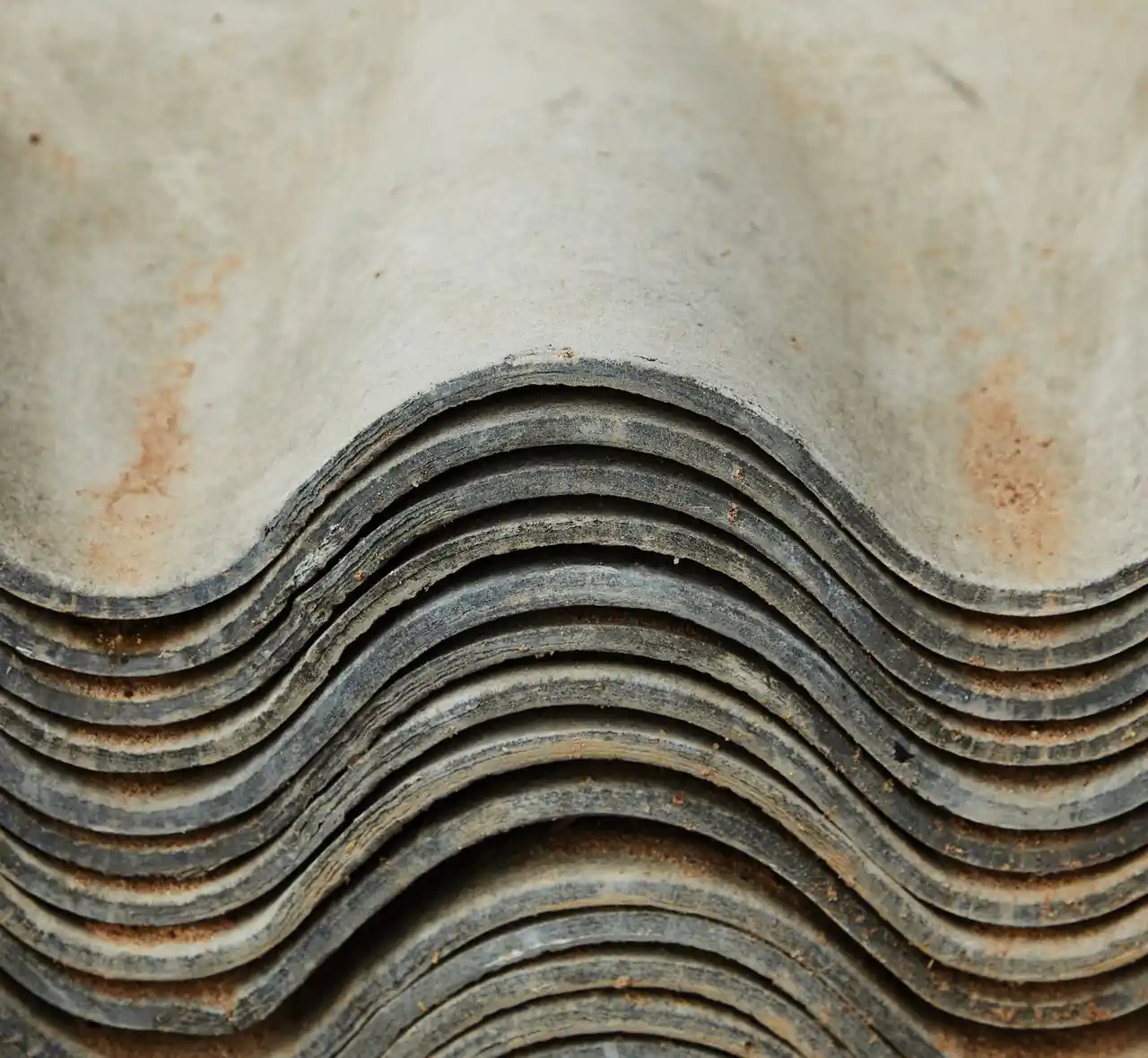
We scan your roof and attic to find where water is really getting in, then explain what we found in plain terms. Repairs are scheduled around your day, and we test the fix before we leave.
We scan flat and low-slope commercial roofs to locate saturated sections without tearing up the whole surface. Work is scheduled around your operating hours so tenants and customers are not disrupted.
Infrared Roof Leak Detection Alhambra CA is a diagnostic roof service that uses an infrared thermal imaging camera to locate trapped moisture and temperature differences inside your roof assembly. Water changes how a roof deck holds heat, so a wet patch shows up as a distinct cold or warm signature on the camera screen. We pair that scan with a moisture meter, then verify the reading at the roof surface with a ladder inspection, pry bar, and utility knife so we can confirm the actual entry point rather than guess.
Alhambra roofs take a beating from both ends of the calendar. Summer heat bakes asphalt shingles and modified bitumen until they crack, then winter rain pushes water through flashing leak points, vent boot leak openings, and roof valley leak channels that looked fine in July. If you have been searching for thermal roof leak detection near me Alhambra because a ceiling stain keeps growing, an infrared scan narrows a whole roof down to one or two suspect areas in a single visit.
We scan first, confirm with a meter, and repair only what is actually wet.
We keep the visit simple: scan, verify, explain, and only then talk repair. Most residential scans take one to two hours depending on roof size, pitch, and how many suspect areas show up on camera.
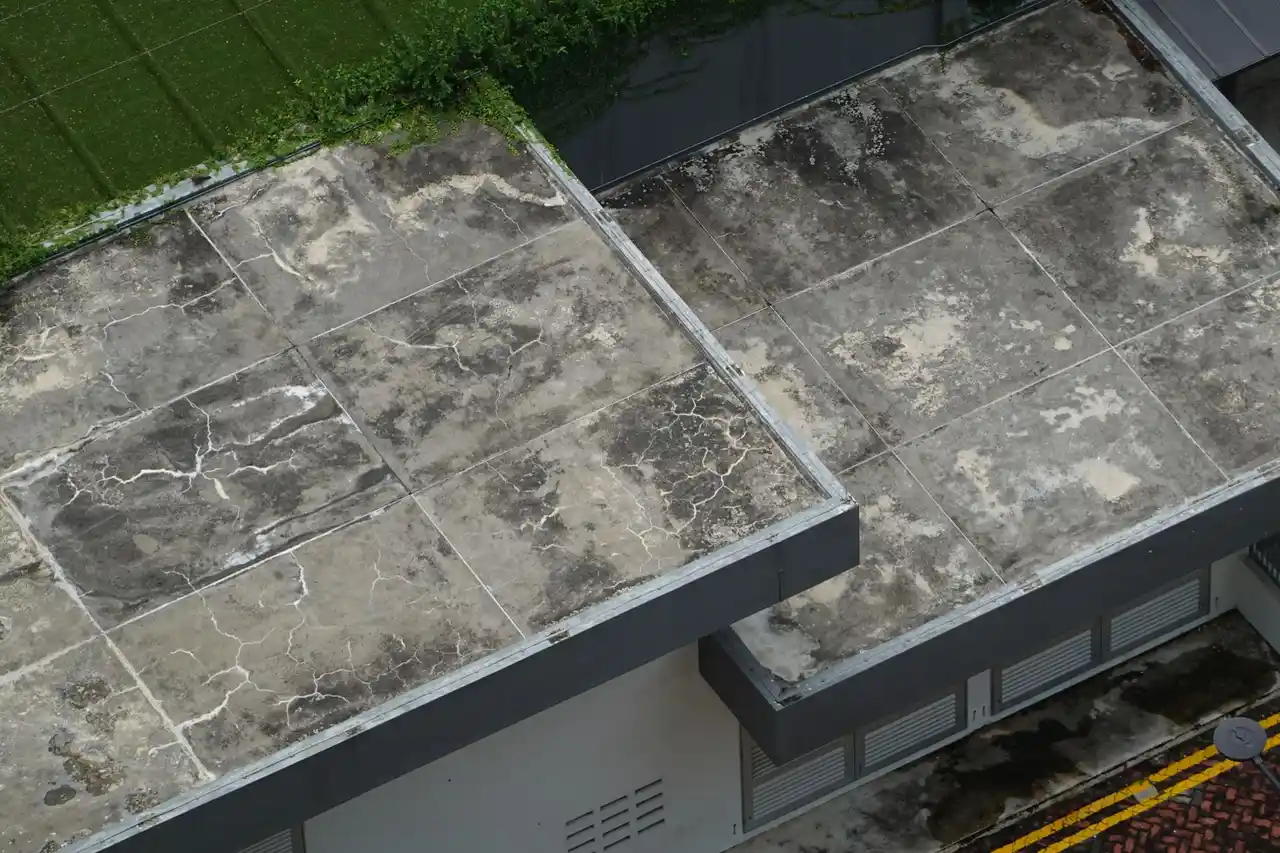
We start inside, looking at ceiling stains, attic sheathing, and any previous patch work. You tell us when the leak shows up, whether it follows heavy rain or appears year-round, and we note the roof type, from asphalt shingles to clay tiles to TPO membrane.
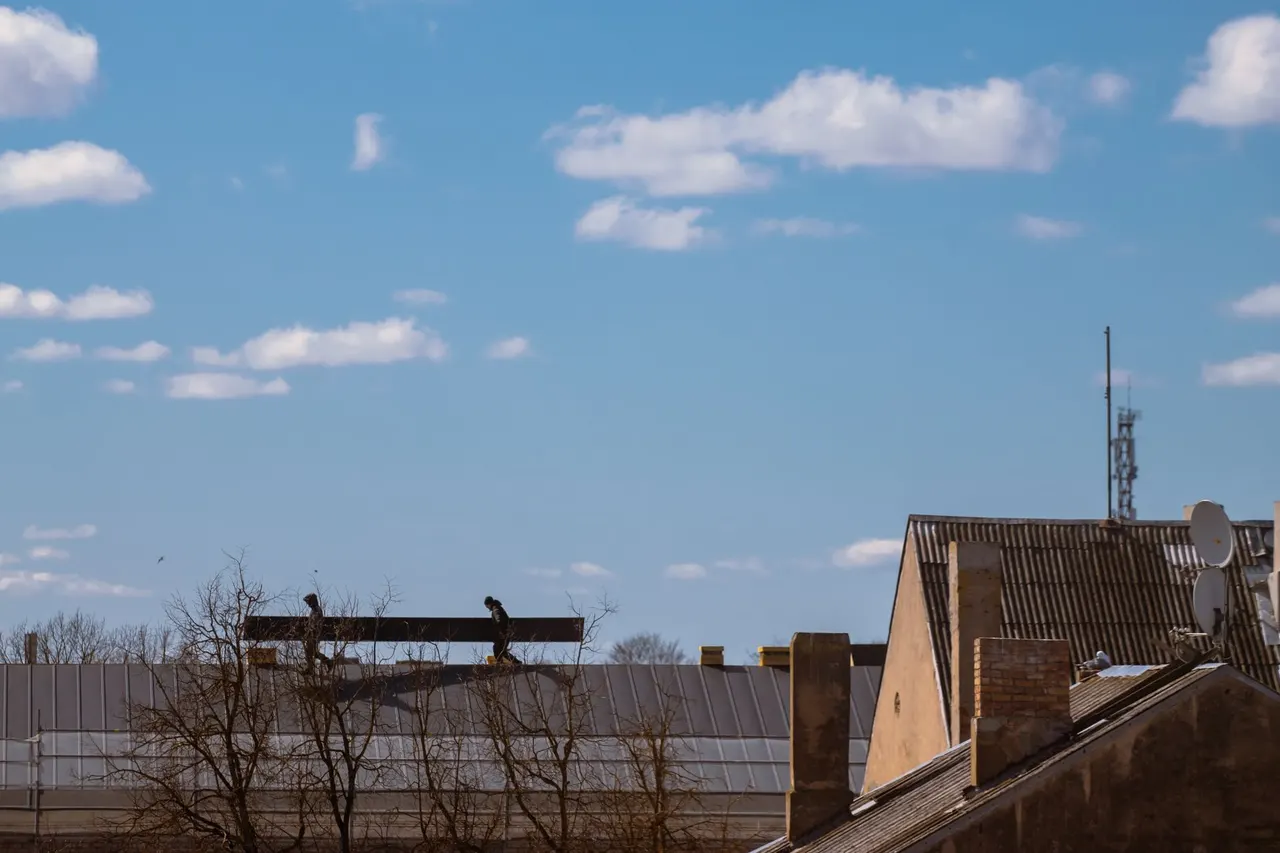
We run the infrared thermal imaging camera across the roof deck and interior attic surfaces, looking for temperature anomalies that indicate trapped moisture. On flat roofs we scan for ponding areas where water sits and works its way into seams.

Camera readings get confirmed with a moisture meter at each suspect spot. This step separates a real wet area from a shadow or a ducting heat signature, so we are not chasing false positives.
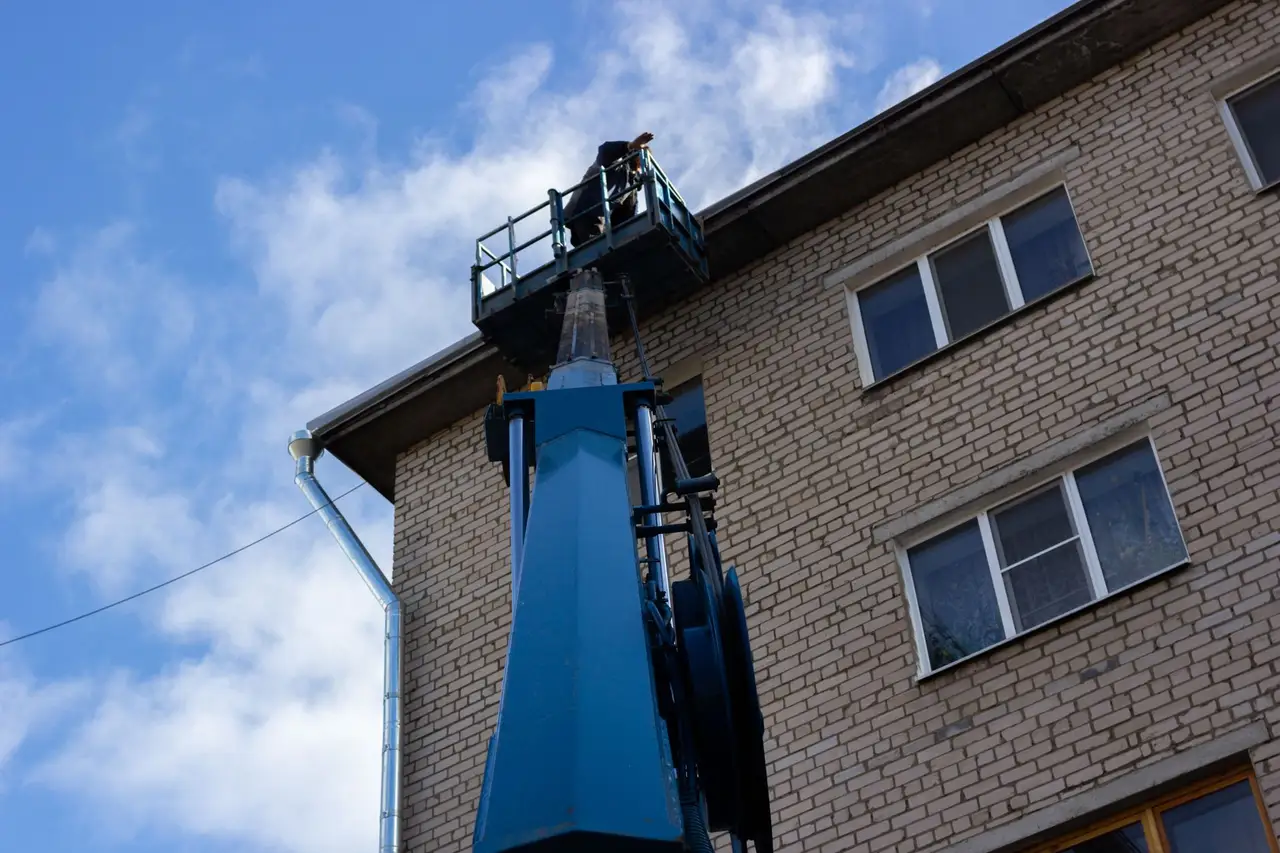
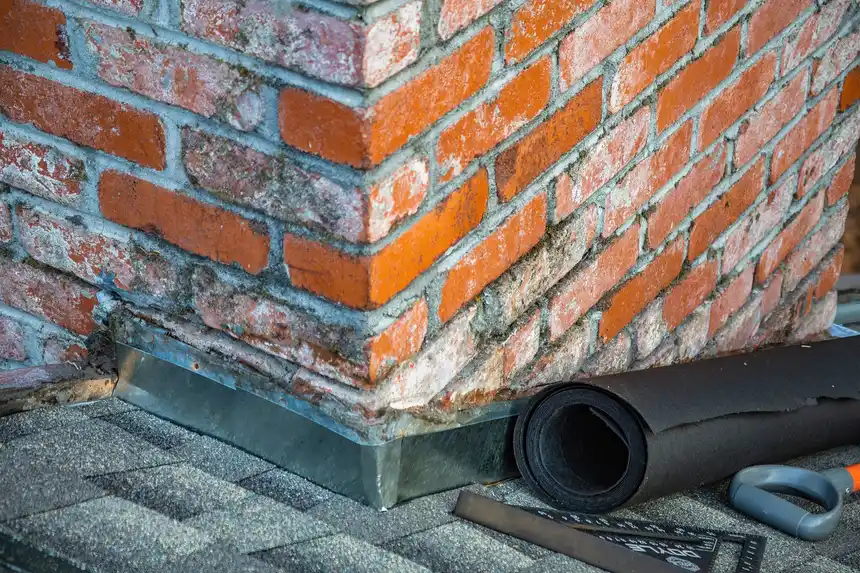
With the wet zones mapped, we go up with a roof ladder and inspect the actual materials: flashing, vent boots, chimney counterflashing, valleys, and seams. A pry bar and utility knife let us check whether underlayment and sealant have failed.
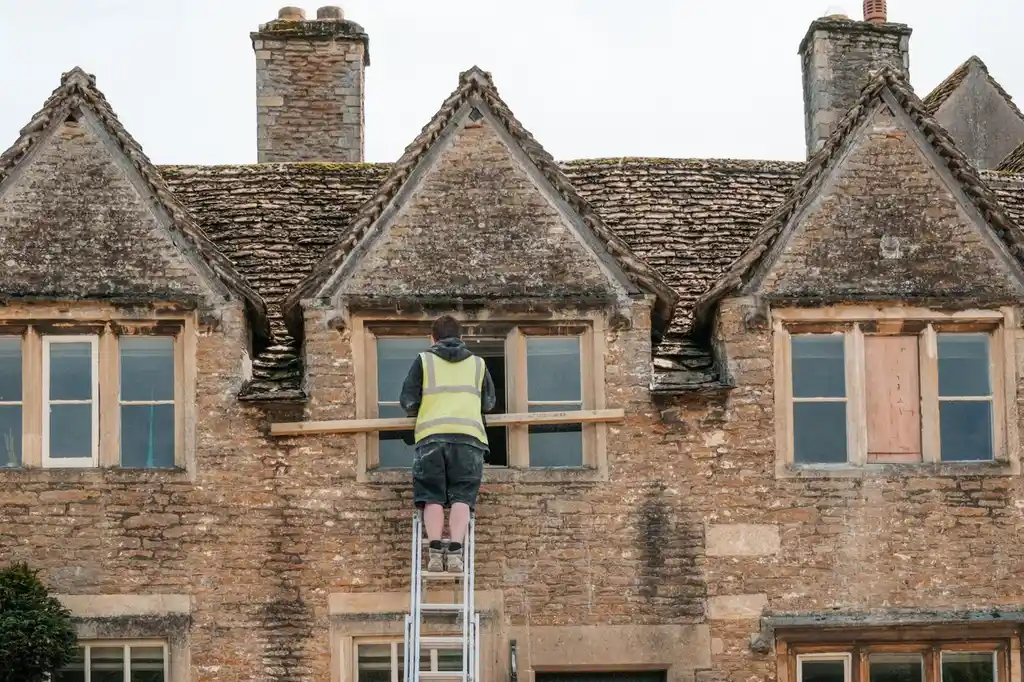
We show you the images, point out the confirmed entry points, and explain what repair each one needs. You get a clear scope and price before any work begins, whether that is a small sealant repair or a larger flashing rebuild.
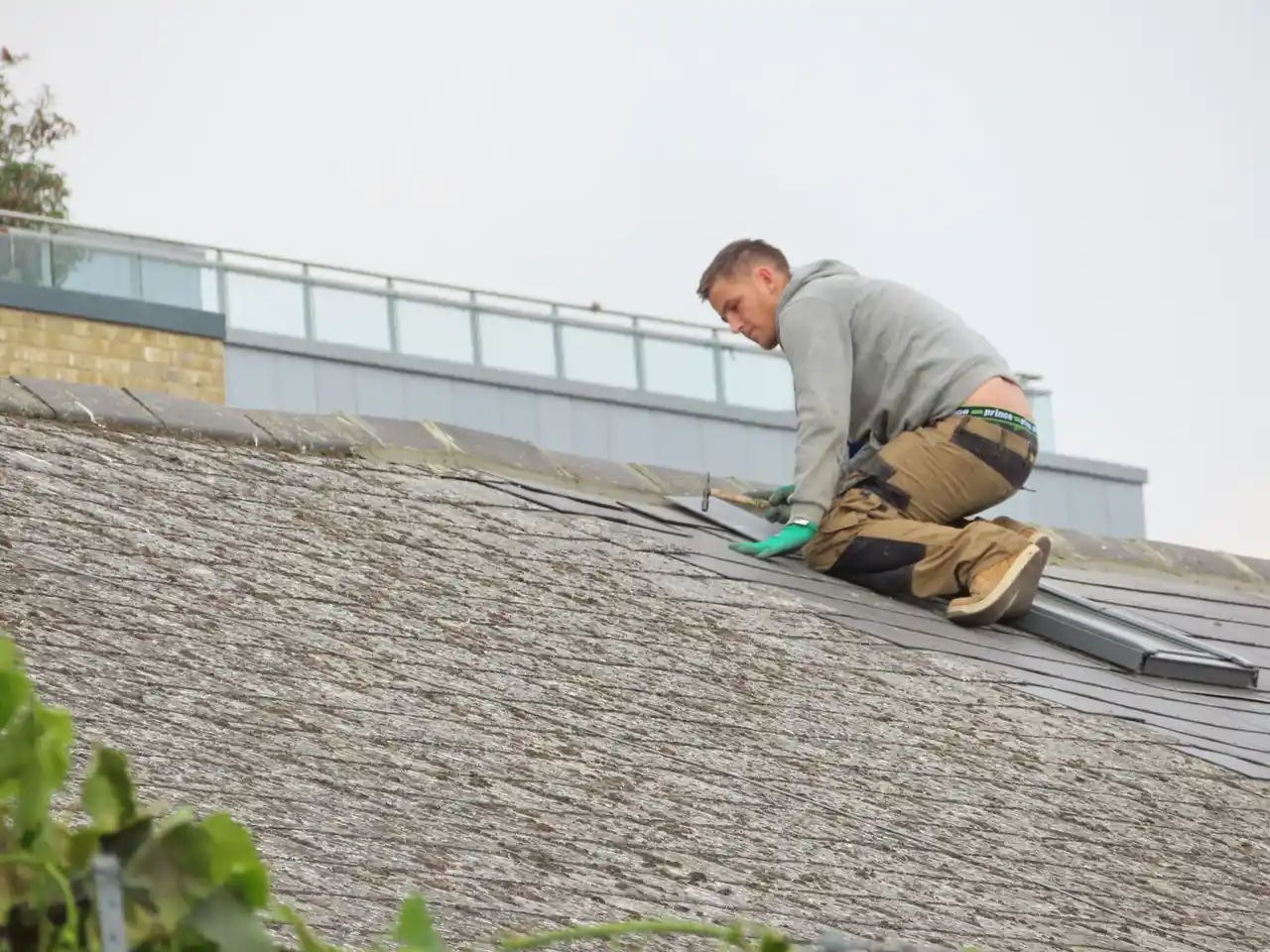
Reads surface temperature differences across the roof deck to reveal trapped moisture that is invisible to the eye.
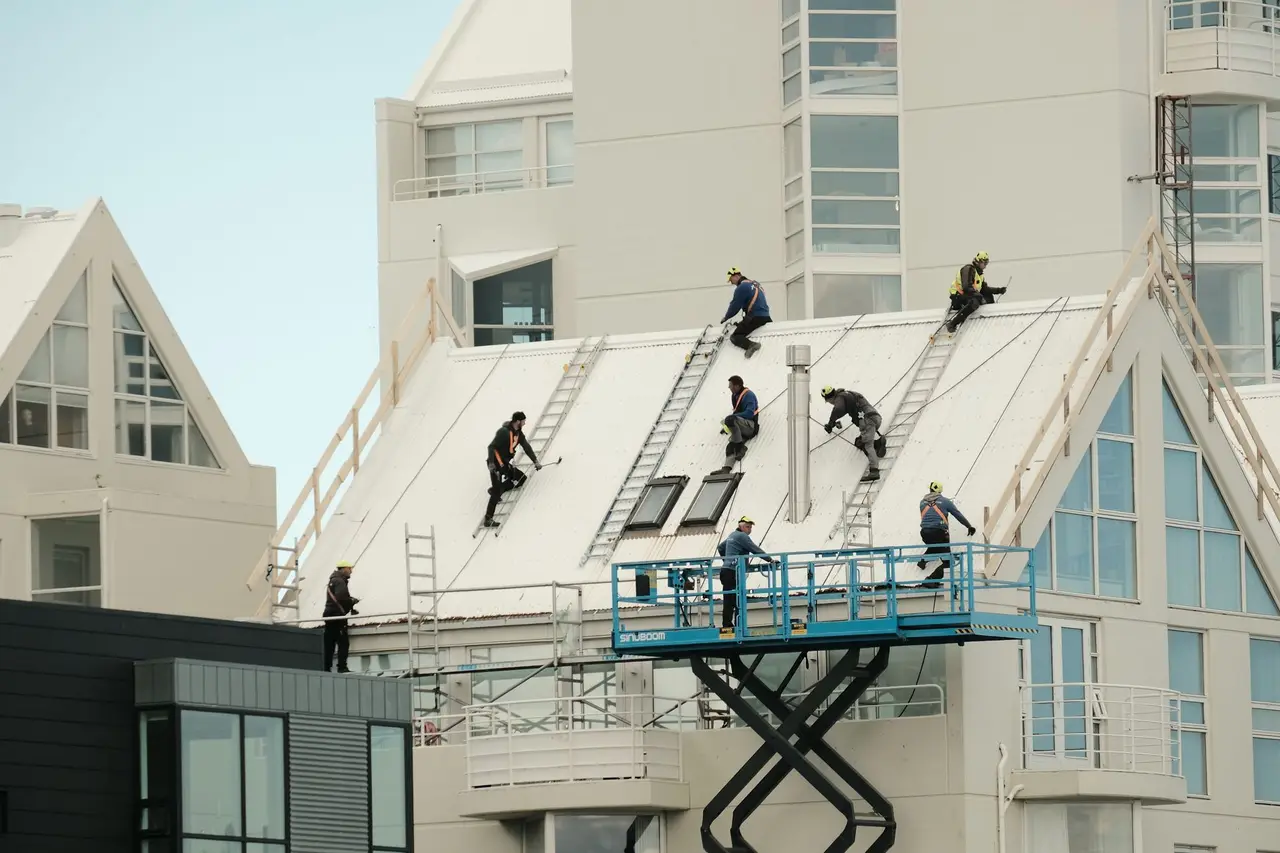
Confirms camera readings at each suspect spot so we know the wet area is real and not a reflection or heat source.
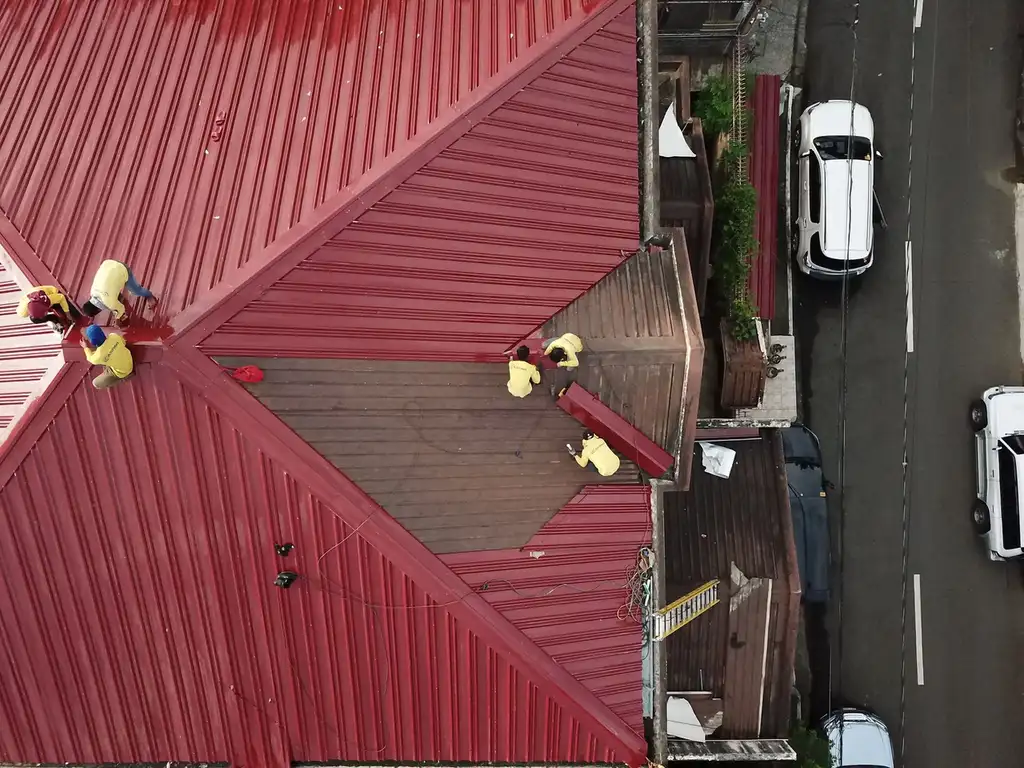
Gets us safely onto the roof surface for hands-on inspection of flashing, seams, and penetrations.

Used to check underlayment, shingle layers, and sealant condition at confirmed leak points without unnecessary tear-off.
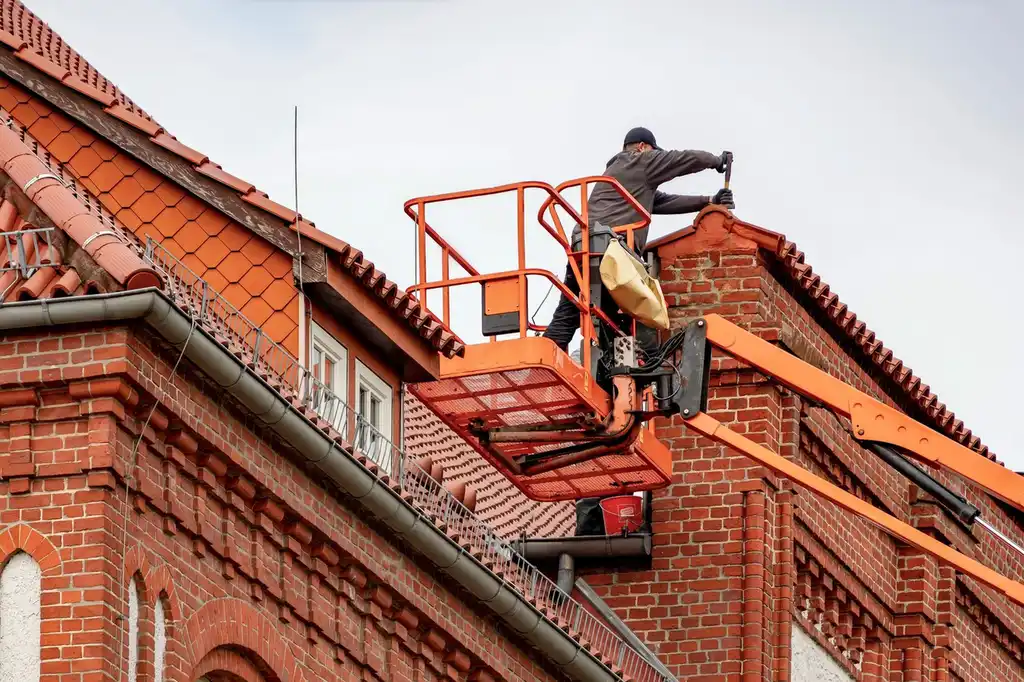
Applies sealant and cement at repaired details, including flashing edges, vent boots, and small membrane patches.
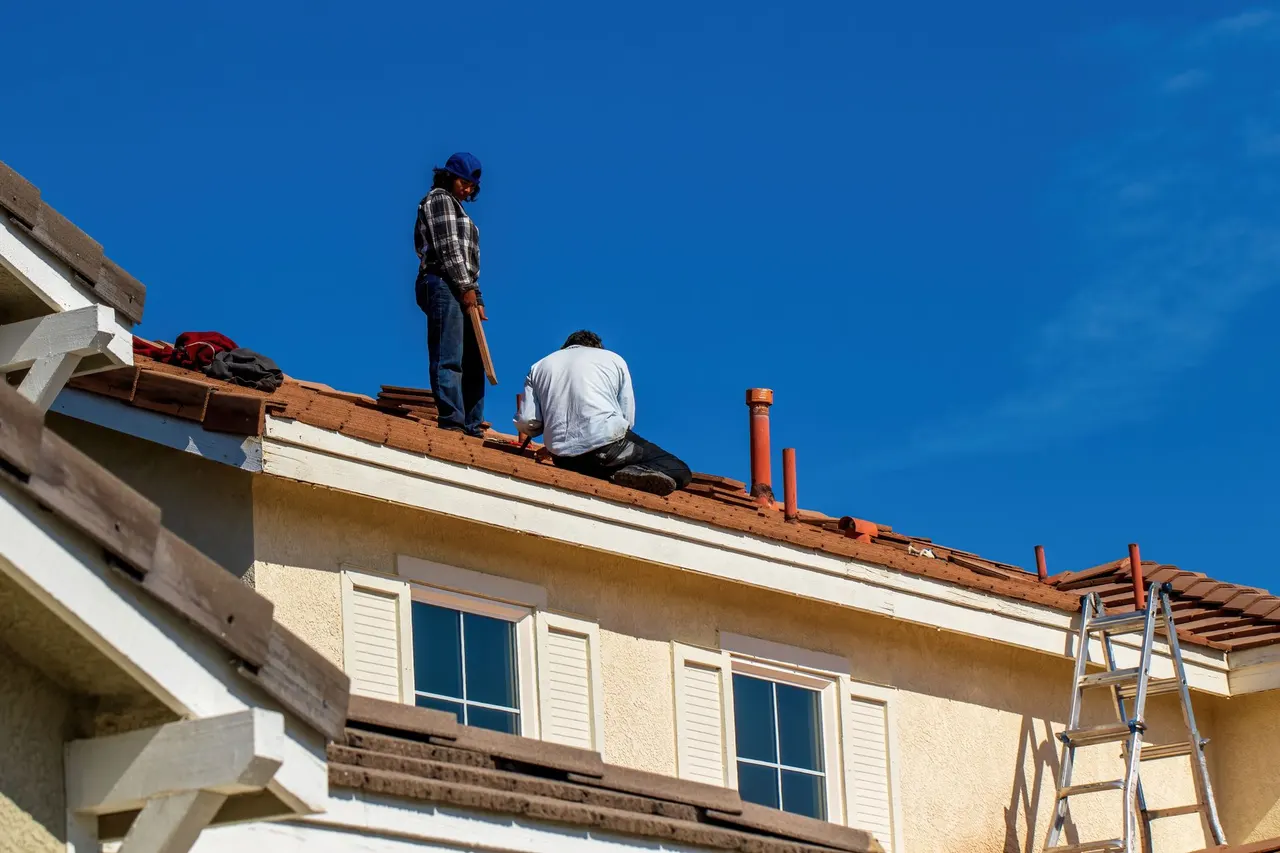
Tarp covers active leak areas during rain, and a hose lets us water-test a repair to confirm it holds before we leave.

We scan the roof and attic in conditions that give the best temperature contrast, usually morning or late afternoon, and mark each anomaly for verification. This is the core of thermal roof leak detection Alhambra and the reason we find leaks that visual inspections miss.
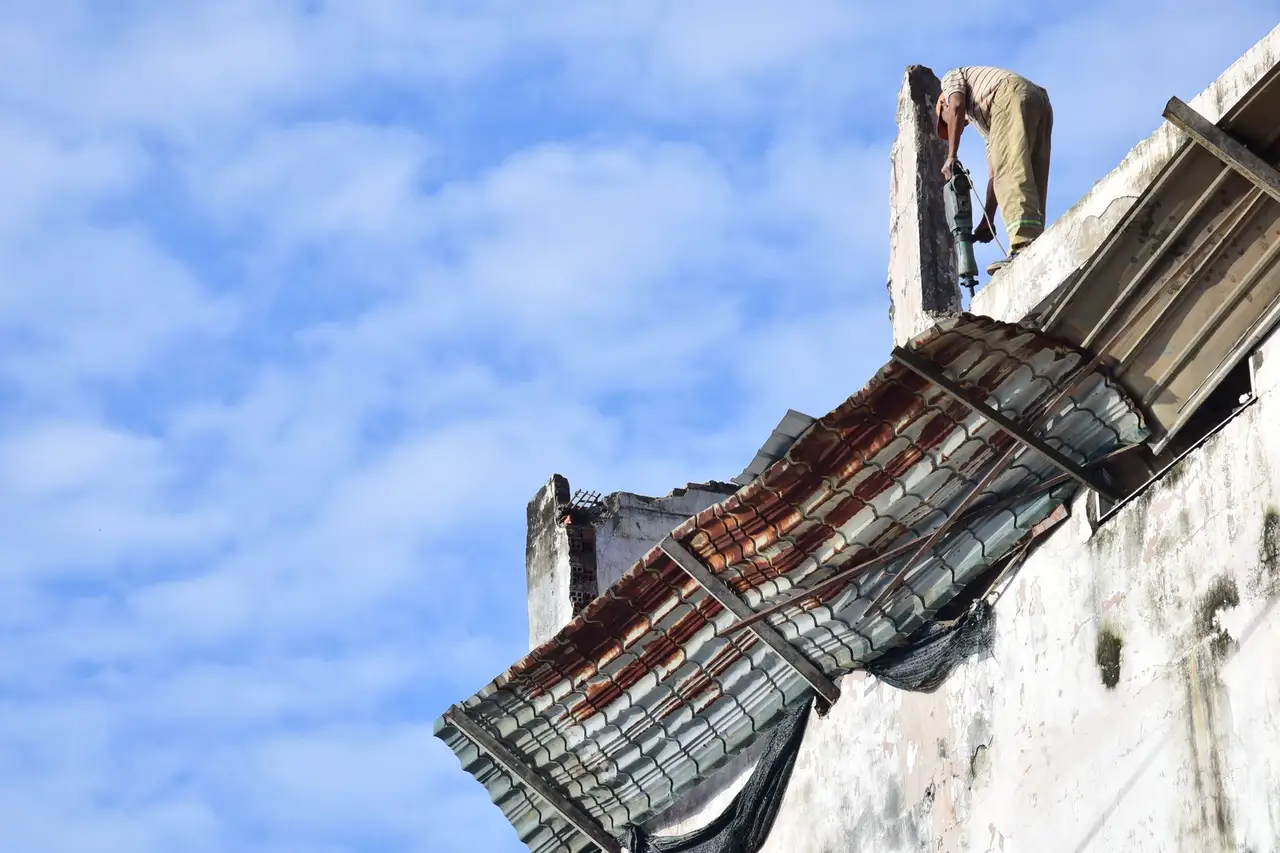
Every thermal hit gets a moisture meter reading before we call it a leak. That two-step process keeps the findings accurate and prevents unnecessary repairs based on a false positive.
We scan the roof and attic and document any saturated areas, so you know what you are inheriting and can negotiate accordingly. A clear picture of the roof's condition, with images and notes you can share with your agent.
We scan the whole roof rather than just the patched area, since the real source is often several feet away from where the water shows up inside. A confirmed source and a repair plan that addresses the actual problem instead of the symptom.
We schedule the scan around business hours, use the thermal camera to narrow the search, and repair only the affected section of the flat roof. Minimal disruption, a targeted repair, and documentation for your maintenance records.
We scan and, if needed, tarp the area to stop further intrusion until a permanent repair can be completed in dry weather. Water stopped before it spreads, with the permanent fix scheduled and priced.
Alhambra sits in Los Angeles County with a climate that swings from hot, dry summers to cool, wet winters, and that cycle is hard on roofs. Summer heat expands shingles, tile, and membrane; winter rain then finds every crack and open seam. Older homes near downtown often have original wood sheathing under aging asphalt shingles, which holds moisture quietly and shows up clearly on an infrared scan. Flat-roof commercial buildings along Valley Boulevard deal with ponding and seam failures instead. Because most Alhambra roofs are low to moderate pitch, we can usually complete a full scan in one to two hours. If you have been looking for thermal roof leak detection near me open now Alhambra, call (626) 640-8498 and we will get a technician out, often the same day.
A homeowner in Alhambra had patched shingles twice above a growing ceiling stain with no result. The leak returned after every storm, and the attic insulation was starting to smell damp.
The thermal scan showed saturation two rafters away from the stain, traced to a cracked vent boot. We replaced the boot, resealed the penetration, and water-tested the repair. The ceiling stayed dry through the following rainy season.
Check vent boots and pipe penetrations once a year before the rainy season, and reseal any cracked rubber or loose collar before water gets underneath.
A small commercial building on Valley Boulevard had water dripping near a drain after every storm. The flat TPO roof had visible ponding, and previous patches had not stopped the leak.
Infrared scanning located the saturated section around two failed seams. We cleaned and repaired the membrane, resealed the seams, and cleared the drain path. The tenant reported no further dripping after the next rain.
Keep drains and scuppers clear of debris, and have the roof scanned every couple of years to catch seam saturation before it spreads.
Following a wind-driven storm, a Monterey Park homeowner found water in the attic but could not see where it entered. The roof looked intact from the ground, and the leak only appeared during strong wind.
The scan flagged moisture along a roof valley and a lifted flashing edge. We repaired the valley lining, reset the flashing, and applied fresh sealant. A hose test confirmed the repair held under direct water.
After any high-wind event, check valleys and flashing edges for lifted material, and schedule a scan if you notice any attic moisture.
Most leaks we get called for have already been patched once or twice. The scan is what finally shows the real source, whether it is a hidden flashing failure, a saturated flat roof section, or water traveling along a rafter from a distant penetration.
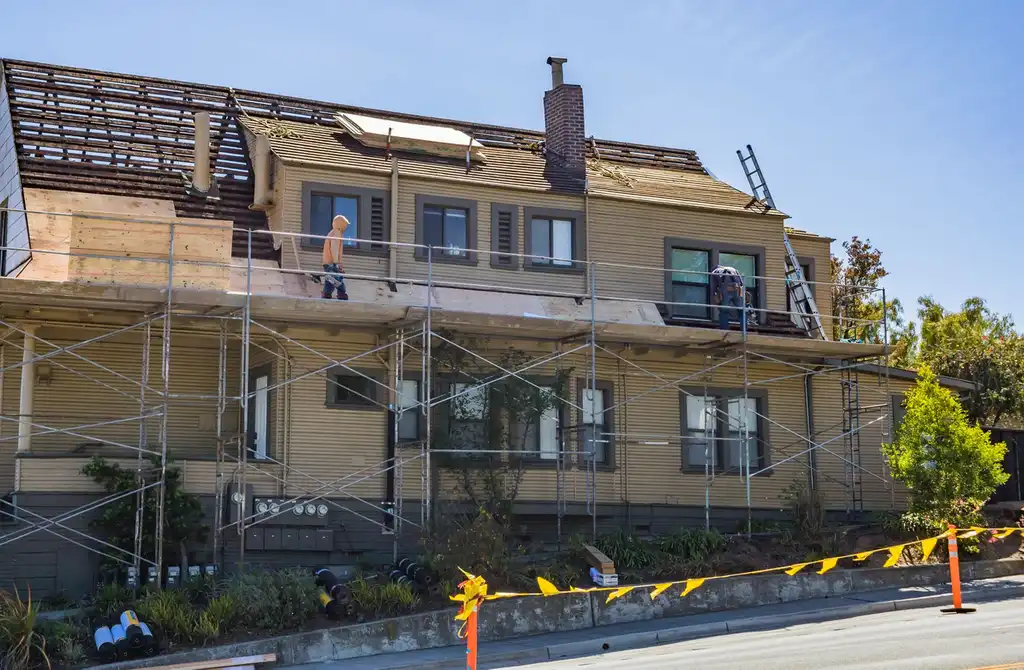
We scan the roof and attic to trace the water path back to its actual entry point, then repair that spot. No more guessing at the shingle above the stain. Repeated patching wastes money and lets moisture keep soaking insulation and framing, which can lead to mold and rotted sheathing over time.
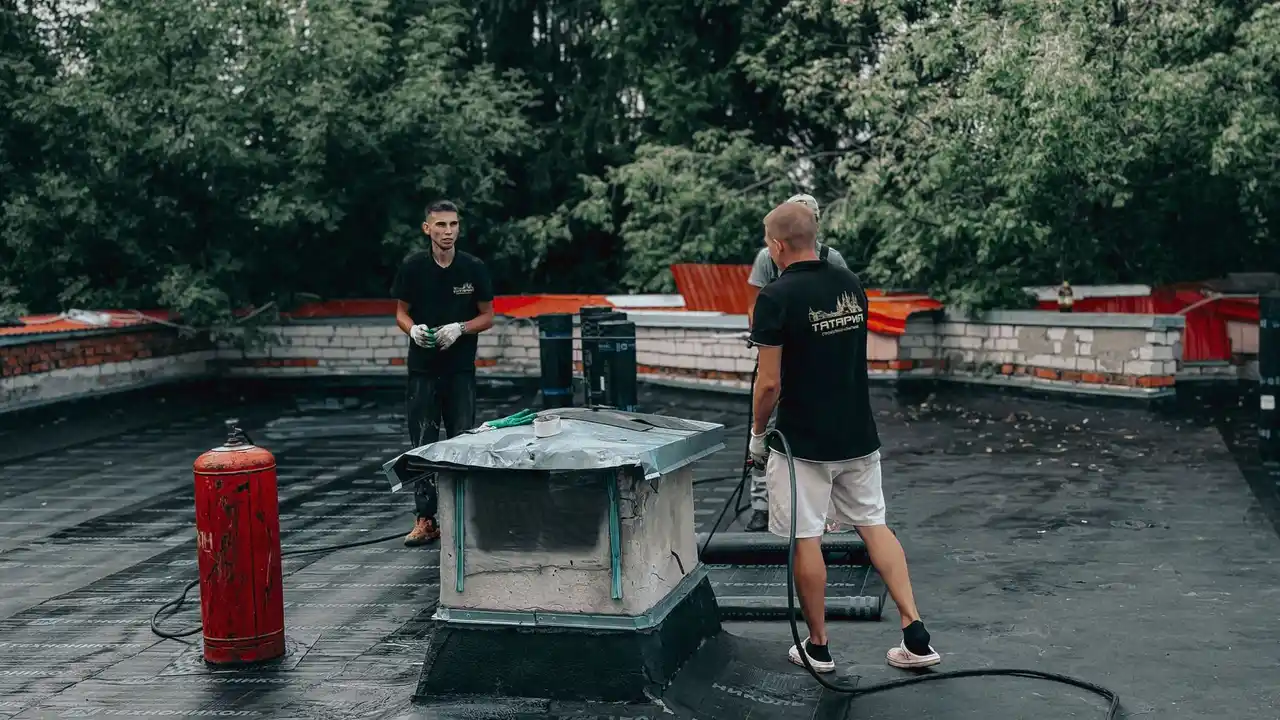
Infrared scanning locates the saturated zones, and we repair the membrane and seams so water drains instead of sitting. We also check drain flow while we are up there. Standing water works into membrane laps and seams, slowly saturating the roof assembly and eventually finding its way into the building below.
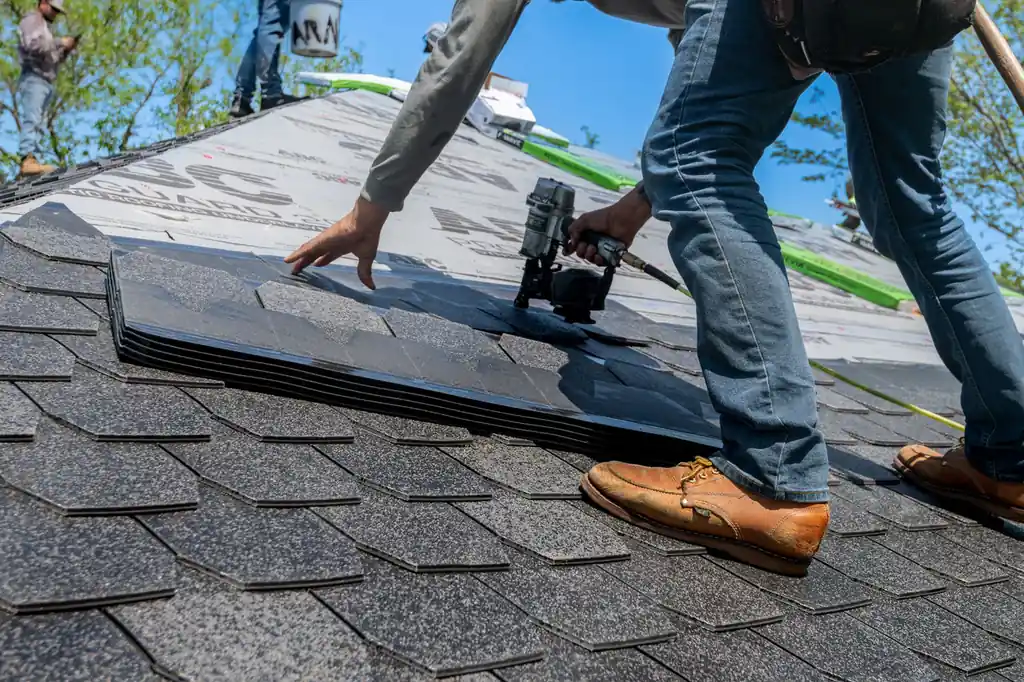
A thermal scan reads the attic side of the roof deck and flags wet areas that a visual inspection would miss. We confirm with a moisture meter and repair the source. Hidden moisture in sheathing and insulation can go unnoticed for months, quietly damaging the roof structure and creating conditions for mold growth.
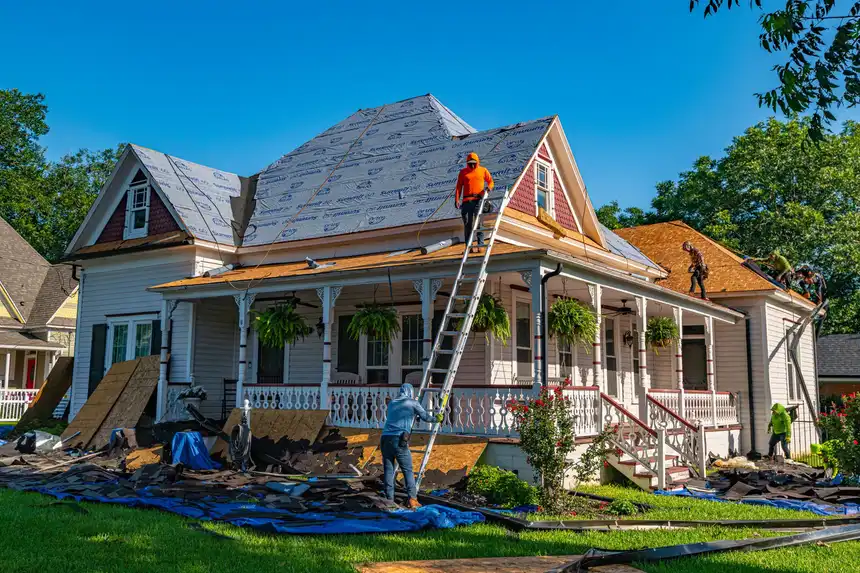
We inspect the wind-facing details, including step flashing, chimney counterflashing, and vent boots, and scan for moisture that has already collected behind them. Wind pushes water into flashing and penetration details that stay dry in normal rain, so the leak is hard to reproduce and easy to misdiagnose.
Water travels along rafters and underlayment before it drips, so the stain on your ceiling is rarely under the actual breach. A thermal scan reads the wet deck itself and traces the path back to the source, which is why Alhambra CA Infrared Roof Leak Detection saves homeowners from repeat patch jobs.
Instead of removing shingles across a whole slope hoping to spot the problem, we scan first and open only the confirmed area. That means fewer replacement asphalt shingles, less roof cement, and a repair that matches the rest of the roof.
A slow flashing leak or skylight leak can soak insulation for months before it shows inside. Scanning early keeps water out of your attic, off your ceiling, and away from the framing, which is far cheaper than repairing structural damage later.
You get images and a plain-language explanation of what we found and where. That record is useful for insurance claims, HOA questions, and for tracking whether a repaired area stays dry through the next rainy season.
Clear records you can keep and share.
Photos of each wet area found
Meter results at every confirmed spot
Itemized work and pricing per area
A thermal scan reads moisture and temperature, not just surface damage, so timing and conditions matter. Knowing how the scan works helps you get the most useful result from the visit.
A scan right after rain can show active saturation clearly, while a scan during a dry spell may need water testing to reproduce the leak. We will tell you which fits your situation.
The camera shows temperature patterns, not water itself, so every reading gets confirmed with a moisture meter. That two-step check is what makes the findings reliable.
Not sure if we cover your area? Call and ask. (626) 640-8498
Most residential scans run $250 to $550 in 2026, depending on roof size, pitch, and how many areas need verification. Flat commercial roofs and multi-story buildings cost more because access takes longer. The scan price includes the thermal imaging, moisture meter readings, and a walkthrough of the findings. If a repair is needed, we quote that separately so you can decide with real numbers in front of you.
An infrared camera reads surface temperature differences across the roof deck. Wet insulation and saturated underlayment hold heat differently than dry material, so they show up as distinct patterns on screen. We scan in the morning or late afternoon when temperature contrast is strongest, then confirm each hit with a moisture meter and a physical inspection of flashing, seams, and penetrations. It is non-invasive and finds leaks that a visual walk cannot.
Roof Repair Alhambra Pros handles infrared and thermal roof leak detection across Alhambra and Los Angeles County, including San Gabriel, Monterey Park, Rosemead, San Marino, Temple City, South Pasadena, Pasadena, and El Monte. We cover ZIP codes 91801, 91803, and 91802 regularly. Call (626) 640-8498 and we will schedule a scan, usually within a day or two, sooner if the leak is active.
Yes. Hidden leaks behind stucco, under tile, and inside flat roof assemblies are exactly where thermal scanning earns its keep. We regularly find moisture from chimney leaks, skylight leaks, and vent boot leaks that never showed on the ceiling because water was traveling along a rafter first. Catching it at the deck level means the repair happens before the drywall, insulation, and framing take damage.
If water is showing up on your ceiling or your attic smells damp, get the roof scanned before the next storm. We serve Alhambra and Los Angeles County with thermal imaging and same-day leak repair. Call (626) 640-8498 and we will find the source.
Call us at (626) 640-8498 or email [email protected]. We answer the phone during business hours and respond to emergency calls after hours. Same-day estimates are available for most jobs in Alhambra and surrounding areas.