Written scope
What failed, what we replaced, what it cost
Attic Leak Repair Alhambra CA starts with finding the real entry point, not the stain on your ceiling. We inspect the roof deck, flashing, vent boots and valleys, then seal the source and dry the framing. Homeowners across Los Angeles County call us when a ceiling stain keeps growing after rain, and we handle it the same day in most cases.
Every attic leak job starts with a full inspection and ends with verified moisture readings. Here is what is covered in a standard repair. If the inspection turns up a larger problem, like a failing flat roof section or a chimney that needs rebuilding, we tell you before we touch anything and quote it separately.

We work on single-story bungalows and two-story houses across Alhambra. You get the leak traced, the source repaired and the attic dried in one visit.
We handle flat and low-slope roofs above tenant spaces and offices. Work is scheduled around business hours and documented for your property records.
Attic Leak Repair Alhambra CA is the process of tracing water that enters through the roof assembly, then sealing the entry point and drying the framing, insulation and sheathing below it. Water rarely drips straight down. It runs along rafters, under underlayment and across roof flashing before it shows up as a ceiling stain, which is why guessing at the spot above the stain usually misses. We use an infrared thermal imaging camera and a moisture meter to follow the path, then repair the actual defect with roof cement, sealant, new flashing or replacement shingles.
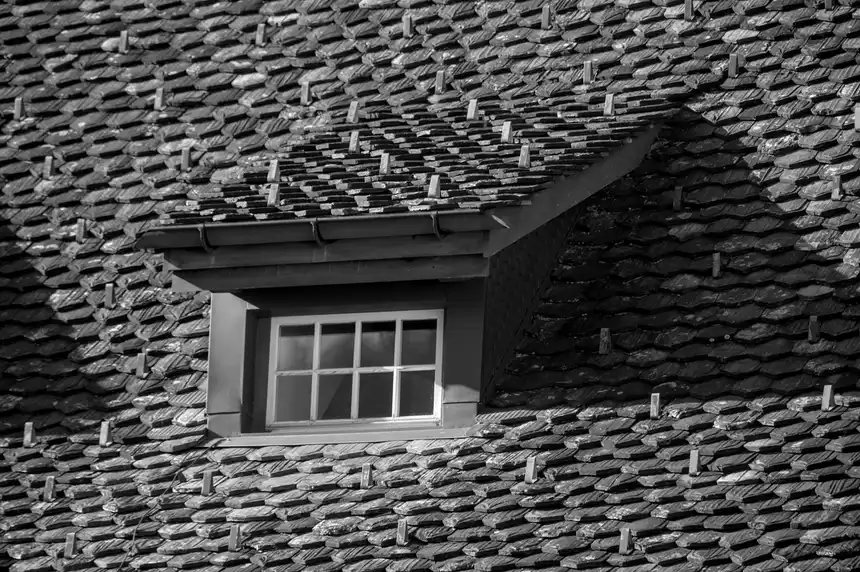
Most Alhambra homes were built between the 1920s and the 1960s, and many still carry original clay tiles, wood sheathing or a flat rear addition. Those assemblies fail differently than modern roofs. A vent boot leak or a roof valley leak can stay hidden for months while it soaks the insulation. If you have been searching attic leak fixing near me Alhambra after a storm, the first step is a proper leak inspection rather than another tube of caulk.
We trace the water to its source before we touch the roof.
Every job follows the same five steps, whether it is a single vent boot leak or water tracking across a flat roof section. Here is what you can expect from the first phone call to the final moisture reading.
You describe where the water shows up and when it started. We ask about the roof type, age of the home and whether the leak follows every storm or only heavy rain. That call takes about ten minutes and lets us load the right materials before we leave.
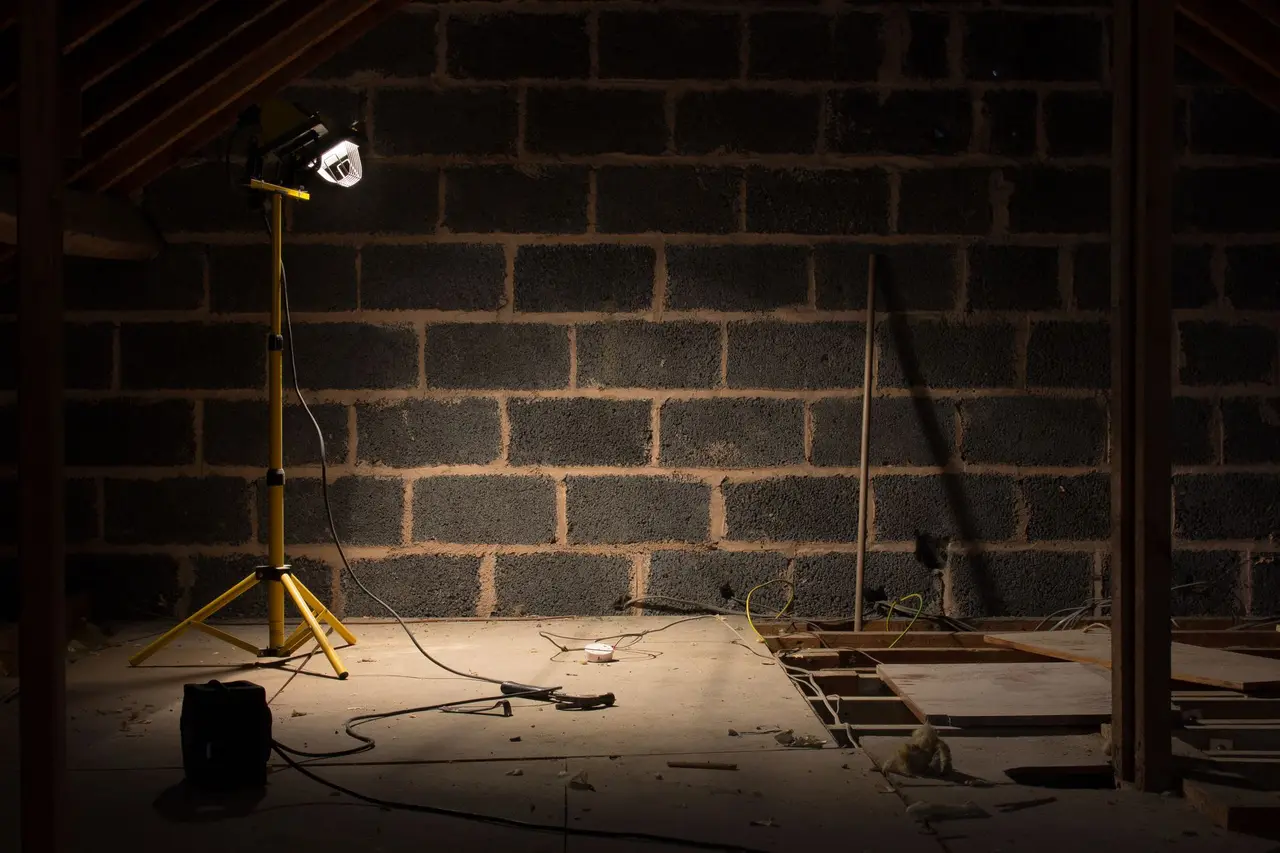
We go into the attic first with an infrared thermal imaging camera and a moisture meter, then climb the roof with a roof ladder. Staining on the sheathing, rusted nails and dark insulation tell us the direction water travels. Expect 45 to 90 minutes on site.

Once we narrow the leak to a section, we confirm it. That may mean a hose test on the roof, lifting a few shingles with a pry bar, or checking the flashing at a chimney or skylight. You get a plain explanation of what failed and why before any repair starts.
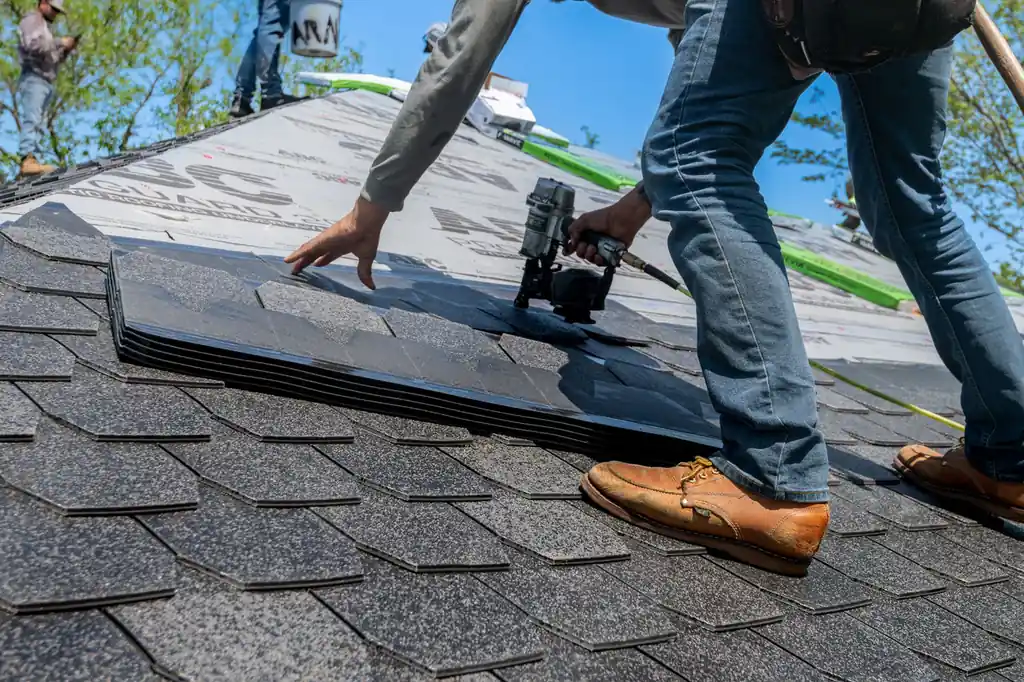
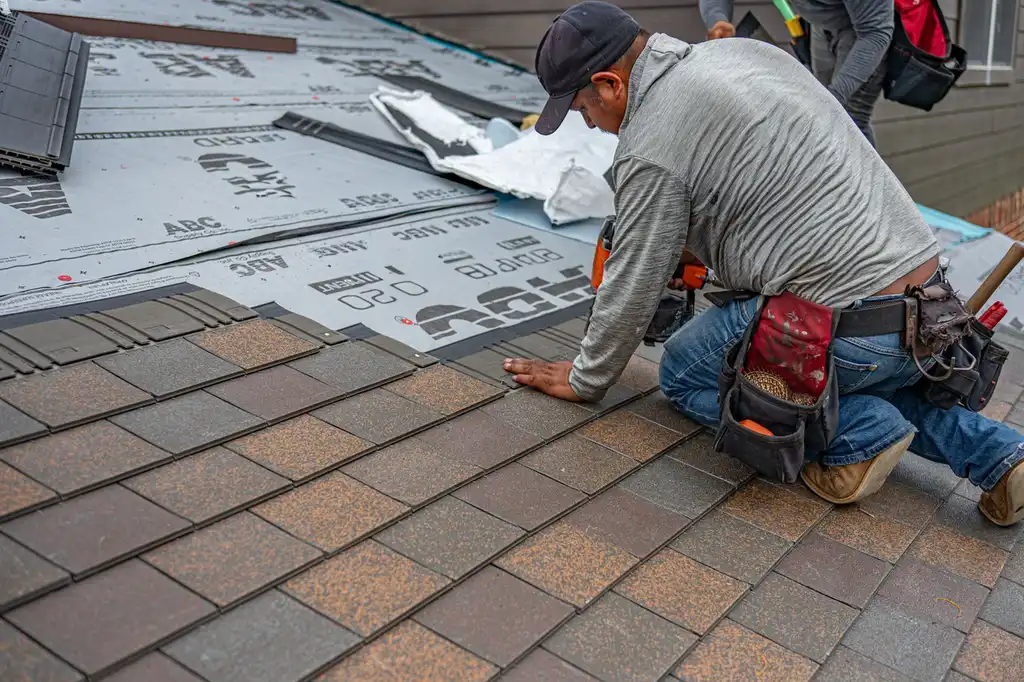
We replace damaged shingles, reset roof flashing, re-seal vent boots and seams, and apply roof cement or sealant where the assembly calls for it. A typical repair runs two to four hours. Materials come from GAF, Owens Corning or Henry depending on your existing roof.

We remove wet insulation, set up airflow, and take fresh moisture readings before we leave. You get the before and after numbers, photos of the repaired area, and a short list of anything to watch over the next few storms.
Reads temperature differences on the roof deck and attic sheathing to reveal trapped moisture without tearing anything out.
Confirms wet readings in wood, drywall and insulation, and gives us the before and after numbers we hand you at the end of the job.
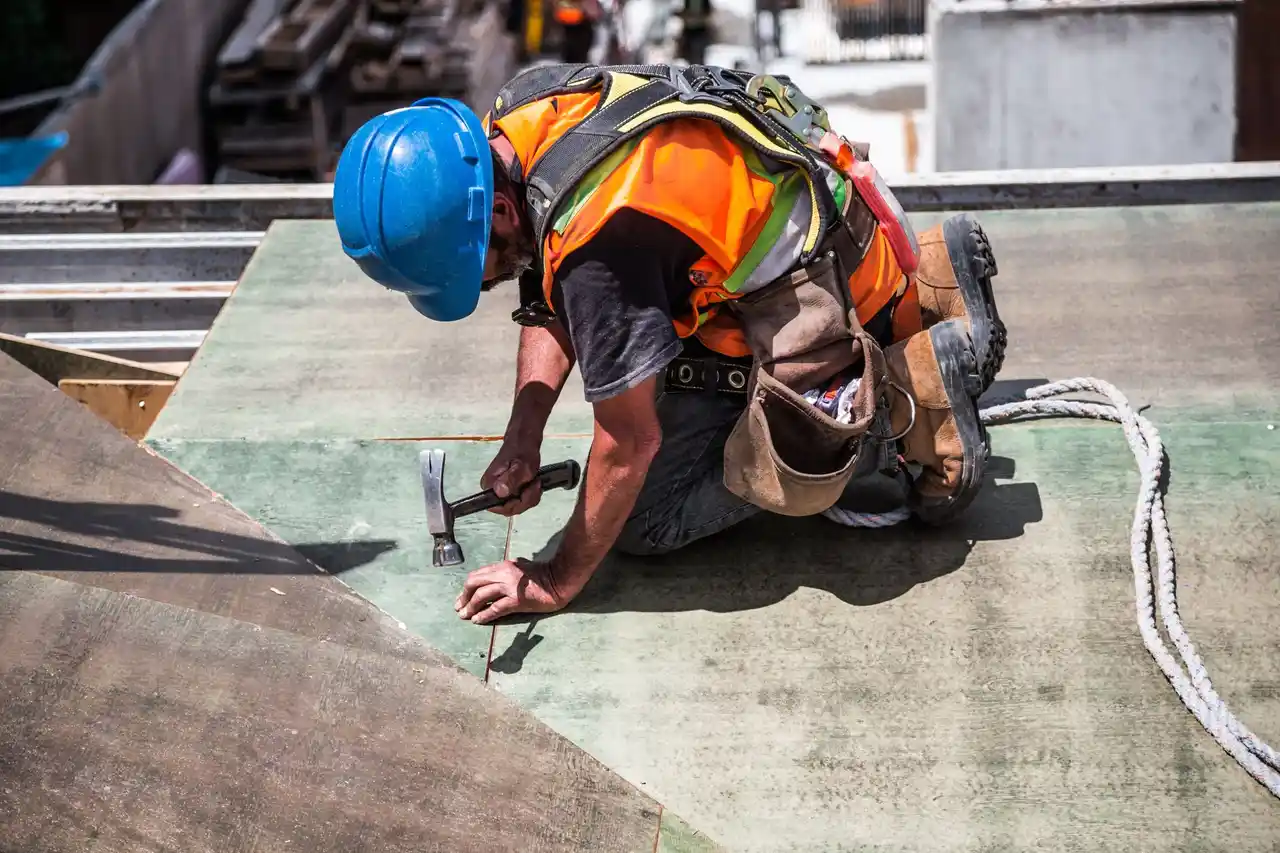
Gets us onto steep and flat roofs safely so we can inspect flashing, valleys and penetrations up close rather than from the ground.

Lifts shingles and tiles carefully so we can inspect the underlayment beneath without breaking the surrounding field.
Applies sealant precisely along flashing edges and seams, and trims materials to fit the repair area cleanly.

Resecures shingles and flashing quickly and to the correct depth so the repair holds through wind and rain.
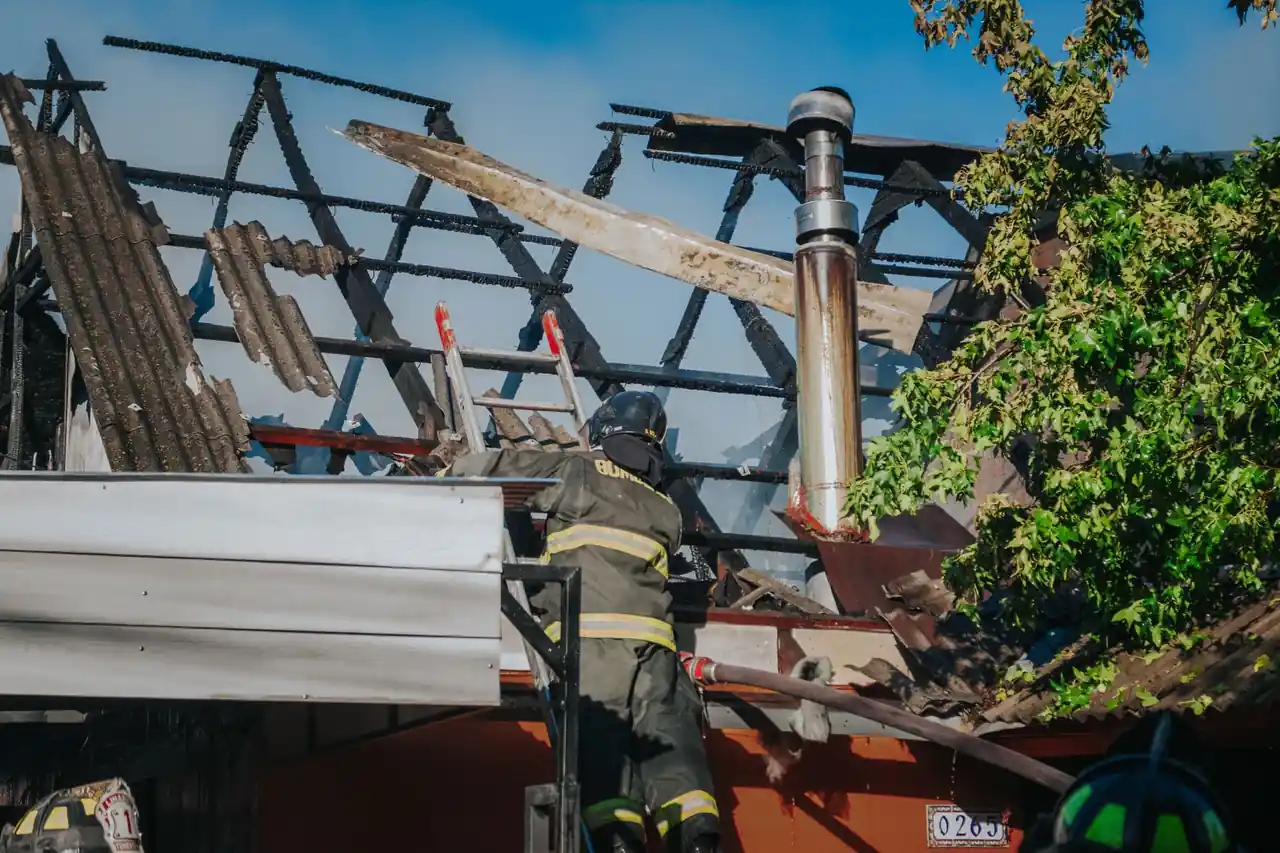
The hose confirms the leak source with a controlled water test, and the tarp protects the roof during active storms before a permanent repair.

We scan the attic and roof deck with an infrared camera to map where moisture is trapped. This narrows the search to a small section before we climb the roof, which means less tear-out and a faster repair.
We respond the same day, tarp the roof if rain is still active, and stabilize the attic. Once conditions allow, we replace the vent boot, remove the wet insulation and dry the framing with airflow. The attic is dry within a day, the insulation is replaced, and the ceiling stain stops growing. Most customers see no new moisture after the next storm.
We inspect the attic first with a moisture meter and thermal camera, then climb the roof to check the area above. The source is usually a flashing leak or a roof valley leak that is not visible from the yard. The leak is confirmed and repaired in one visit, and the ceiling drywall is patched so the room looks right again.
We schedule the inspection around business hours, locate the breach in the membrane, and repair it with compatible materials. Drainage is checked at the same time so ponding does not return. The tenant stops calling about drips, and the repair documentation goes straight into the property file.
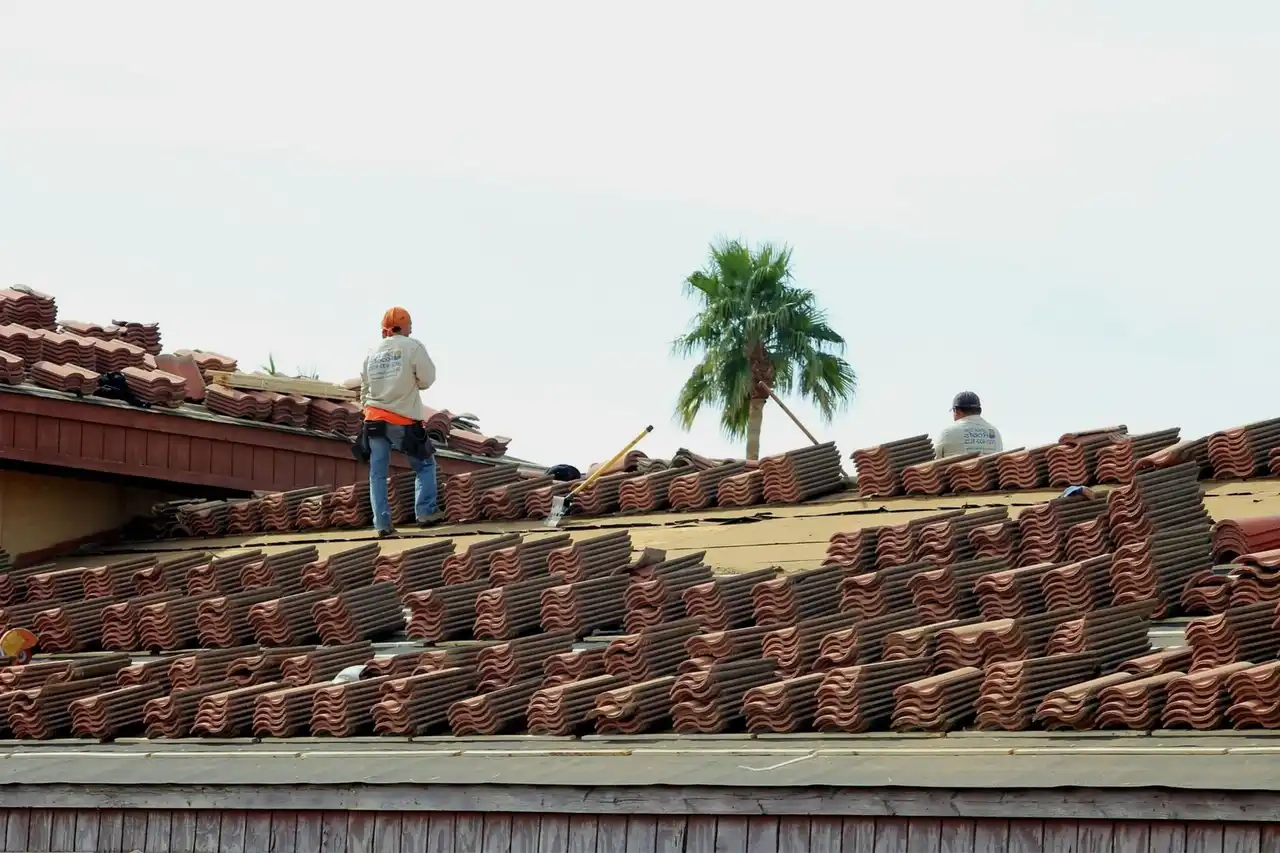
We lift the tiles carefully, replace the failed underlayment beneath them, and reset the field. No tear-off is needed, and the roof keeps its original look from the street. The attic leak stops, the tile roof stays intact, and the repair costs a fraction of a full replacement.
Alhambra sits in Los Angeles County with hot, dry summers and a winter rainy season that delivers most of the year's moisture in a few concentrated storms. That pattern shapes how roofs fail here. Clay tile and asphalt shingle roofs bake through the summer, then take wind-driven rain in December and January. The leaks we find most often are vent boot leaks, flashing leaks at chimneys and skylights, and roof valley leaks where debris has collected. Older homes near Emery Park and the Main Street corridor often still have original wood sheathing, which holds moisture longer than modern plywood and needs more drying time. If you are looking for affordable Attic Leak Repair Alhambra CA, the honest answer is that catching the leak in its first season is what keeps the cost down. We schedule inspections around the weather, and during active storms we tarp first and repair once the roof is safe to work on.
A homeowner near Emery Park had a ceiling stain that grew with every storm. The attic insulation around the plumbing vent was soaked, and the rubber boot on the pipe had cracked through after years of sun exposure.
We replaced the vent boot, removed about 30 square feet of wet insulation, and dried the framing. Moisture readings dropped from 28 percent to 11 percent before we left, and no new moisture appeared after the next storm.
Check the vent boots on your roof once a year. A cracked collar is easy to spot from the ground with binoculars, and replacing it early costs far less than an attic drying job.
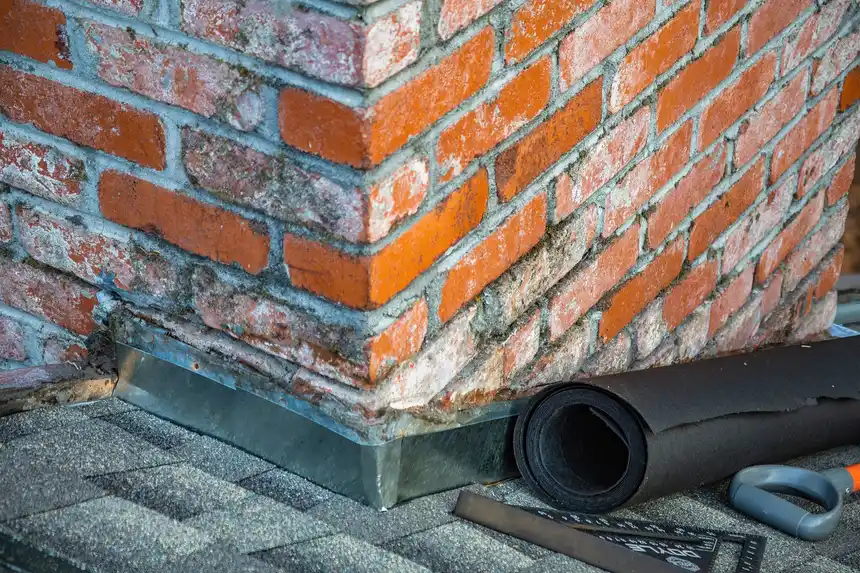
Water was running down the chimney chase and into the attic of a two-story home. The step flashing had pulled away from the brick, and the counter-flashing was rusted through in two places.
We rebuilt the step and counter-flashing, resealed the joints and confirmed the repair with a hose test. The attic stayed dry through the following rainy season, and the ceiling stain was patched and repainted.
Inspect chimney flashing each fall before the rainy season. Look for rust, lifted edges and gaps where the flashing meets the brick, and reseal any open joints before winter.
A commercial building had standing water on the flat roof after every storm, and the tenant below was reporting drips near a light fixture. The membrane had a breach at a seam where the ponding was deepest.
We repaired the seam, reinforced the area with a compatible membrane patch and corrected the drainage so water sheds off the roof. The tenant stopped reporting drips, and the roof has stayed dry through two rainy seasons.
Clear roof drains and scuppers before the rainy season and after any heavy storm. Standing water is the leading cause of flat roof leaks, and keeping drains clear is the cheapest prevention there is.
Most attic leaks we see in Alhambra fall into a handful of patterns. Knowing which one you have helps you ask the right questions when you call. Here are the problems we fix most often.

We trace the stain back to its source on the roof, which is often several feet away. Once we confirm the entry point, we repair the flashing or shingle failure and dry the affected attic area so the ceiling stops getting wet. Water is entering the attic and soaking insulation and drywall. Left alone, the stain spreads, the drywall sags, and mold can take hold within about 48 hours of sustained moisture.
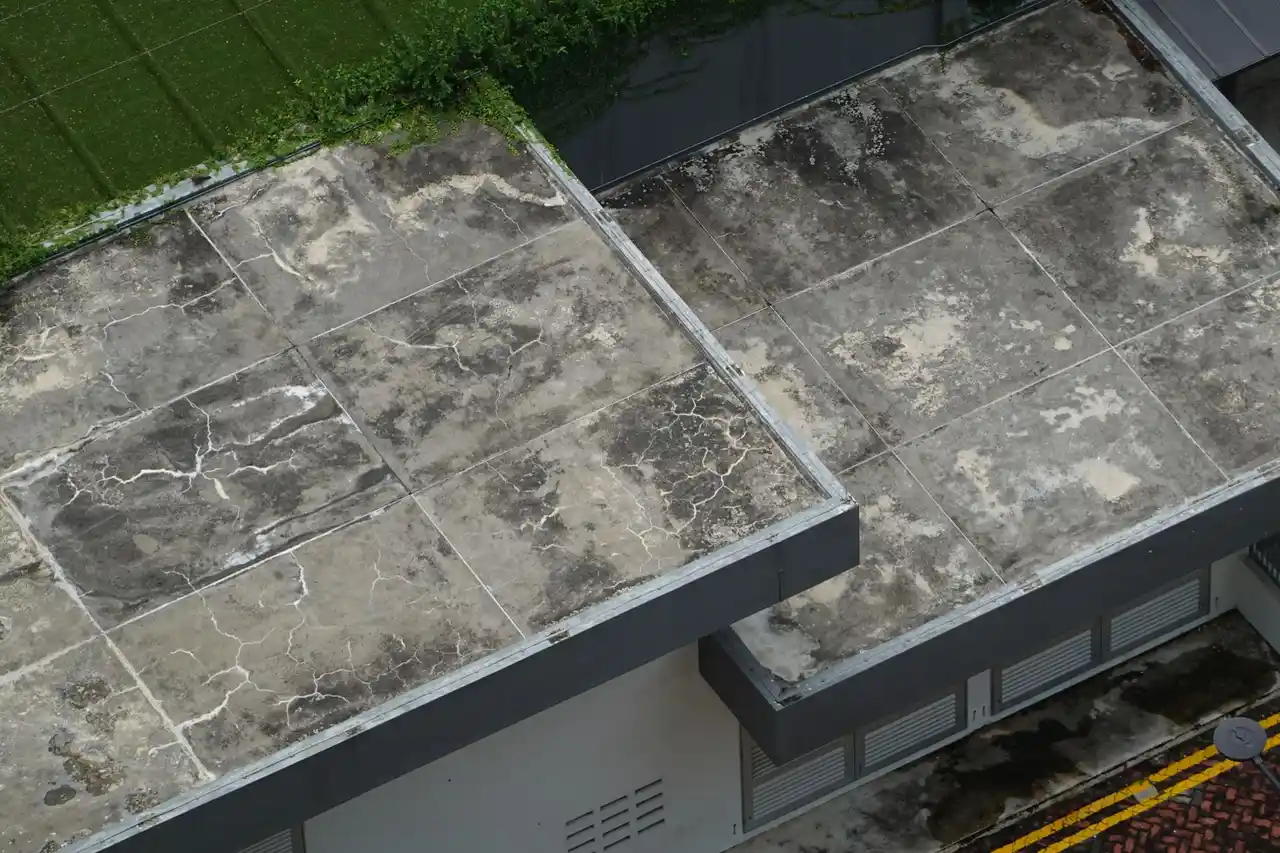
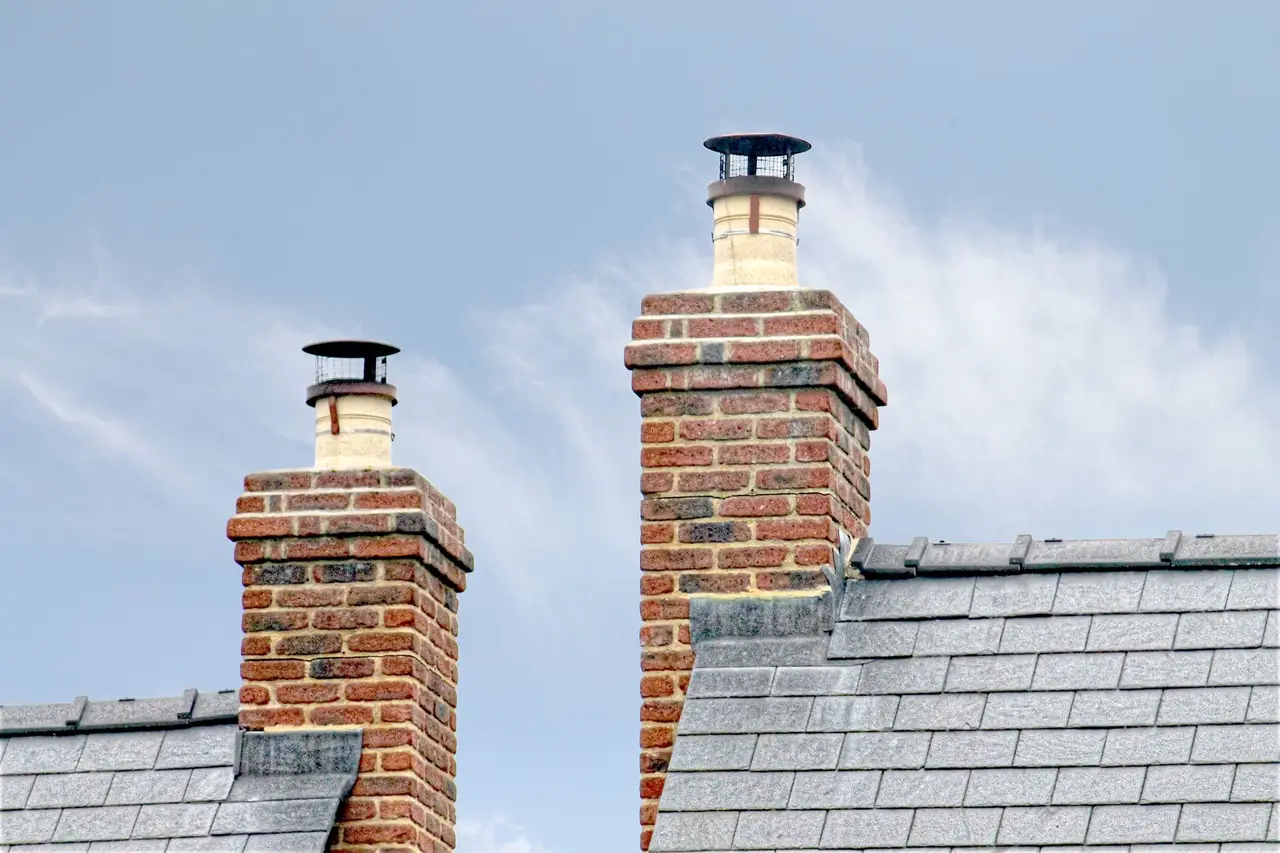
We rebuild the flashing at the chimney or skylight curb, replace failed gaskets and reseal the joints. Then we confirm the attic framing below stays dry with a hose test before we pack up. Chimney leak and skylight leak are two of the most common sources we find. The flashing around these penetrations fails faster than the rest of the roof because it takes the worst of wind-driven rain.
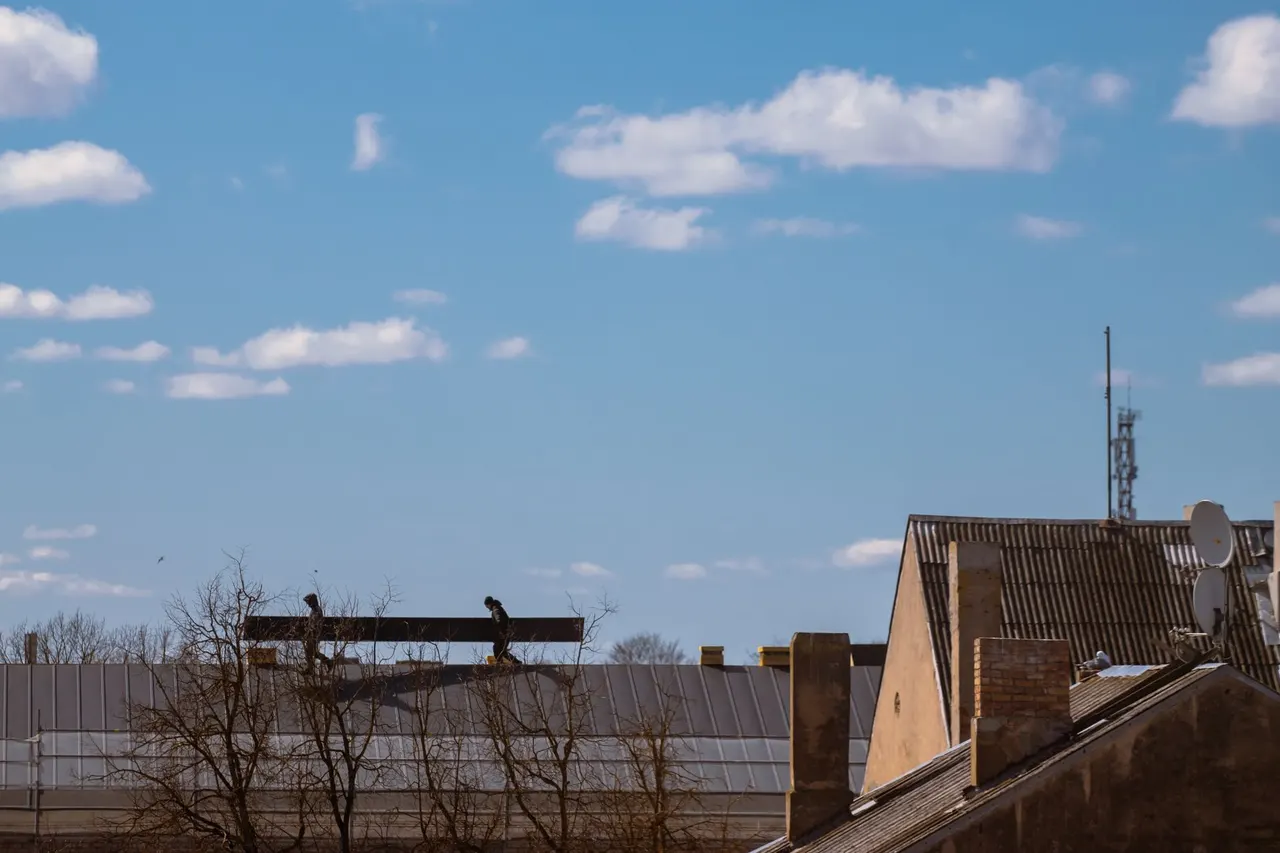
An infrared thermal imaging camera reads the temperature difference between wet and dry areas, which lets us find the moisture without tearing out the ceiling. We repair the source and remove any insulation that cannot be dried. A slow leak can soak the sheathing and insulation for months without showing up as a ceiling stain. The smell is often the first sign, and by then the wood has been wet for a while.

We locate the low spots, repair the membrane and correct the drainage so water sheds off the roof. For commercial buildings, we coordinate access around tenant hours and document the repair for your records. Flat roof ponding puts constant pressure on the membrane. Small breaches turn into steady leaks, and the water has nowhere to drain, so the damage compounds with every storm.
A ceiling leak that starts as a fist-sized stain can cover a whole room within two rainy seasons. We seal the entry point and treat the affected drywall area so the stain stops growing. Most customers see no new moisture after the first storm following the repair.
Wet insulation loses its R-value and holds moisture against the wood. We pull saturated material, dry the framing, and replace what cannot be saved. Catching it early keeps the job to a few hundred dollars instead of a full attic rebuild.
Infrared thermal imaging and moisture readings narrow a leak to a two-foot section of roof in under an hour. That means fewer torn-out shingles, less patching, and a repair aimed at the flashing leak or vent boot leak that is actually letting water in.
Attic mold needs about 48 hours of sustained moisture to take hold. Drying the space and fixing the roof leak in the same visit removes the condition mold needs. We document moisture readings before and after so you can see the attic is dry.
Clear records you can keep and share.
What failed, what we replaced, what it cost
Leak path, repair and final condition
Before and after numbers for the attic
The stain on your ceiling is rarely directly under the leak. Water runs along rafters and sheathing before it drips, so the entry point is often several feet away.
Water follows the slope of rafters and sheathing before it drips. Chasing the stain from below usually points you at the wrong spot. We trace the path from the attic up.
A leak that only drips during heavy storms still soaks insulation and framing over months. The damage keeps building between storms. Catching it in the first season keeps the repair small.
Smearing sealant over a suspected spot rarely stops the water. It hides the entry point and makes the next diagnosis harder. The source has to be confirmed before anything is sealed.

Not sure if we cover your area? Call and ask. (626) 640-8498
Most attic leak repairs in Alhambra run $350 to $1,200 in 2026, depending on access and how much material needs replacing. A single vent boot leak or flashing reseal sits at the low end. A valley leak with wet insulation removal and drying pushes toward the higher end. Flat roof membrane repairs fall in the middle. We give you the number before we start.
The three most common causes we find in Alhambra are failed vent boots, worn flashing at chimneys and skylights, and cracked sealant along roof valleys. Older clay tile roofs also leak at the underlayment once it dries out. Wind-driven rain during winter storms pushes water into places a light rain never reaches, which is why the leak seems to appear only during certain storms.
We do, and we are based in the area. Roof Repair Alhambra Pros covers Alhambra and the surrounding cities including San Gabriel, Monterey Park, Rosemead, San Marino, Temple City, South Pasadena, Pasadena and El Monte. Call (626) 640-8498 and we will schedule an inspection, usually the same day if you call before noon.
A straightforward attic leak repair takes two to four hours on site. That covers inspection, source confirmation, the repair itself and final moisture readings. Jobs that involve removing wet insulation or drying a large attic area can run a full day. If we need to tarp the roof first because of active rain, we do that in about an hour and return for the permanent repair.
Call (626) 640-8498 and we will inspect your attic and roof, trace the leak and give you a straight number before any work starts. Same-day estimates, no charge.
Call us at (626) 640-8498 or email [email protected]. We answer the phone during business hours and respond to emergency calls after hours. Same-day estimates are available for most jobs in Alhambra and surrounding areas.